
 By admin
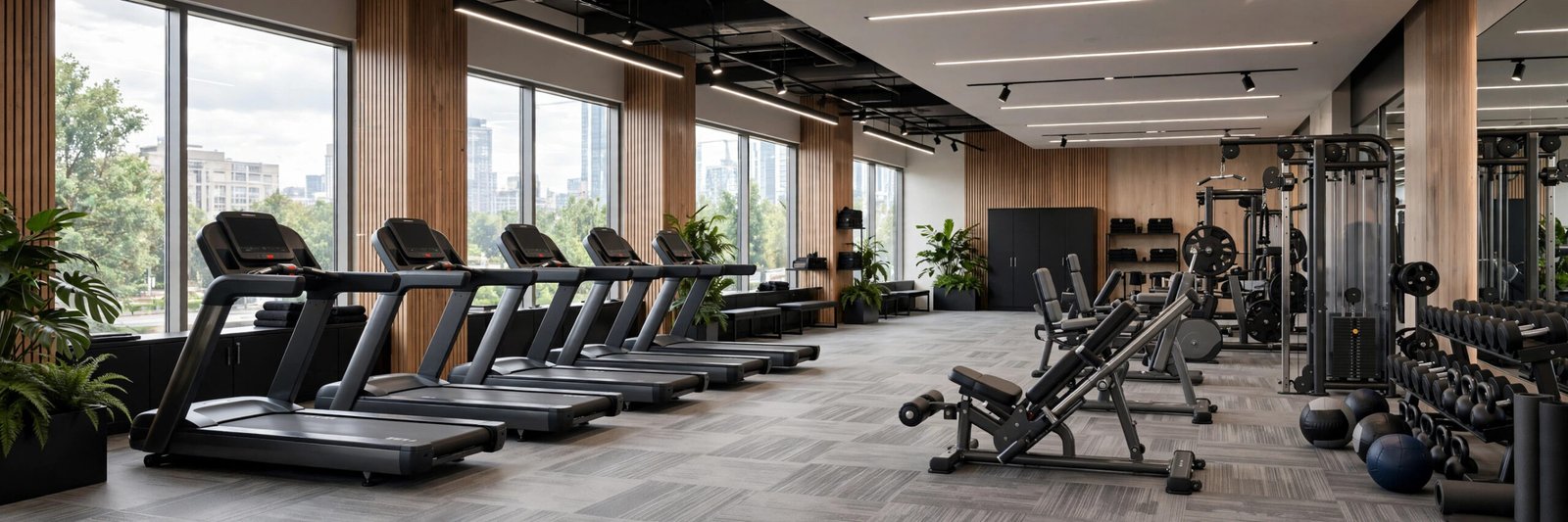
Walking into a gym for the first time in California — land of outdoor fitness culture and intimidatingly fit strangers — can feel like showing up to a party where everyone knows the rules but you. The machines look like medieval equipment, the free-weight area has its own social hierarchy, and you’re pretty sure everyone is watching. They’re not. But knowing what to expect, what to bring, and how gyms actually work transforms the experience from anxiety to routine within two weeks.
This guide covers what beginners should know before joining a gym in California — choosing the right gym, gym etiquette, your first workouts, and the California-specific details worth knowing.
Choosing the Right Gym (Not Just the Closest One)
Visit at your workout time before joining. A gym that’s perfect at 10 a.m. may be an unusable crowd at 6 p.m. Tour during the hours you’ll actually train, and check: equipment availability, cleanliness of locker rooms, and whether staff seem helpful or indifferent.
Understand California pricing norms. Budget chains run $10–$40/month; mid-tier gyms $40–$80; premium clubs $100–$200+. Watch for initiation fees, annual fees buried in contracts, and cancellation terms — California law requires health clubs to allow cancellation under certain conditions, but the process is deliberately annoying at some chains. Month-to-month beats annual contracts for beginners; you don’t know your habits yet.
Match the gym to your goals. Want classes? Check the schedule depth. Want to lift? Verify the free-weight area isn’t a single sad rack. Want to swim? Confirm pool hours and lap-swim availability. The Health & Fitness Association offers guidance on evaluating facilities.
What to Bring (and What to Leave)
The essentials: workout clothes (moisture-wicking — California gyms run warm), proper athletic shoes (not the fashion sneakers), a water bottle, a small towel, and a lock for the locker. Nice to have: wireless earbuds, a workout log app, and a change of clothes if you’re training before work.
Leave: strong fragrances (enclosed gym air + perfume = everyone’s headache), your phone on speaker (headphones always), and the expectation that you’ll know everything day one. Everyone’s first week involves wandering and Googling machine names. It’s a rite of passage, not a failing.
Gym Etiquette (The Unwritten Rules)
Wipe down equipment after use — non-negotiable, and especially appreciated post-2020. Re-rack your weights — leaving 45s on the bar is the gym equivalent of not returning a shopping cart. Don’t hog equipment during peak hours; offer to let others “work in” between your sets. Give space — don’t crowd someone mid-set or stand directly in front of the dumbbell rack. Keep phone use minimal on machines others are waiting for.
The meta-rule: behave like equipment is shared, because it is. Experienced gym-goers respect beginners who follow etiquette far more than they respect strong people who don’t. If you’re brand new to exercise entirely, the inactive-to-active playbook pairs well with your first gym weeks.
Your First Month: A Simple Plan
Don’t try to learn everything at once. Weeks 1–2: 2–3 full-body sessions weekly using machines (they guide your form) — leg press, chest press, seated row, lat pulldown, plus 15–20 minutes of cardio you enjoy. Weeks 3–4: add free-weight basics with light loads (goblet squats, dumbbell presses, Romanian deadlifts), and try one group class — California gyms run excellent beginner-friendly options from yoga to cycling.
Consider 2–3 personal training sessions at the start — not as an ongoing expense, but as a form-check investment. One session to learn the big lifts safely pays for itself in injury prevention. Many California gyms include a free intro session; use it strategically with specific questions prepared. For joint concerns, low-impact exercise options help you train around limitations.
California-Specific Notes
Outdoor options abound — many Californians blend gym training with hiking, beach workouts, and year-round outdoor running. A gym membership plus outdoor cardio is the classic California formula. Earthquake preparedness is real gym etiquette here — know the drill: drop, cover, hold; don’t run for exits mid-shaking. Air quality days matter — during wildfire season, indoor gyms become essential when outdoor exercise is unhealthy; check AQI before choosing outdoor workouts. And hydration needs are higher than newcomers expect — California’s dry heat dehydrates silently; drink before you’re thirsty.
Fueling matters as much as training — protein requirements are the most common beginner nutrition question, and getting it right accelerates every gym goal. The CDC’s activity guidelines provide the baseline targets your gym routine should meet.
Red Flags When Touring Gyms
Some gyms deserve your money; others deserve a warning review. Red flags: high-pressure sales tactics (the “today-only” discount is always available tomorrow), refusal to let you try a workout before joining, contracts you can’t take home to read, equipment that’s broken or filthy during your tour (it only gets worse), and staff who can’t answer basic questions about busy hours or class capacity. Trust the tour — gyms show you their best face, so problems visible on day one are the tip of the iceberg.
Green flags: transparent month-to-month pricing, a clean and complete free-weight area, staff who offer a genuine orientation, posted class schedules with real availability, and members who look like they’re actually working out (not just socializing). Ask current members one question on your way out: “Would you join again?” Their hesitation or enthusiasm tells you more than any brochure. The right gym feels welcoming on a random Tuesday evening — that’s when you’ll actually be there, so that’s when you should judge it.
Conclusion
Joining a gym in California as a beginner comes down to: tour at your real workout hours, start month-to-month, bring the basics, learn the etiquette (wipe, re-rack, share), follow a simple machine-based plan for the first month, and consider a few form-check sessions. The intimidation fades within two weeks — replaced by the quiet confidence of someone with a routine. Everyone in that gym had a first day. This is yours.
Key Takeaways
Tour at your real hours. A gym’s 10 a.m. calm says nothing about its 6 p.m. chaos — visit when you’ll actually train.
Month-to-month first. You don’t know your habits yet; avoid annual contracts until the routine proves itself.
Etiquette earns respect. Wipe down, re-rack, share equipment — beginners who follow the rules belong faster than strong people who don’t.
Frequently Asked Questions
What should I wear to the gym as a beginner?
Moisture-wicking shirt, athletic shorts or leggings, and proper training shoes. Comfort and function over fashion — nobody’s judging your outfit, but chafing cotton and unsupportive shoes will ruin workouts.
How do I cancel a gym membership in California?
California law provides cancellation rights, but gyms make it bureaucratic — often requiring written notice or in-person visits. Read your contract’s cancellation clause before signing, prefer month-to-month terms, and document every cancellation communication.
Is it rude to ask someone how to use a machine?
Not at all — most gym-goers are happy to help between sets. Better: ask staff, who are paid to help. Watching a 60-second form video on your phone is also perfectly normal and increasingly common.
Should I get a personal trainer as a beginner?
A few sessions for form instruction are excellent value; an ongoing expensive package is optional. Learn the fundamentals safely, then decide whether continued coaching fits your budget and goals.