
 By admin
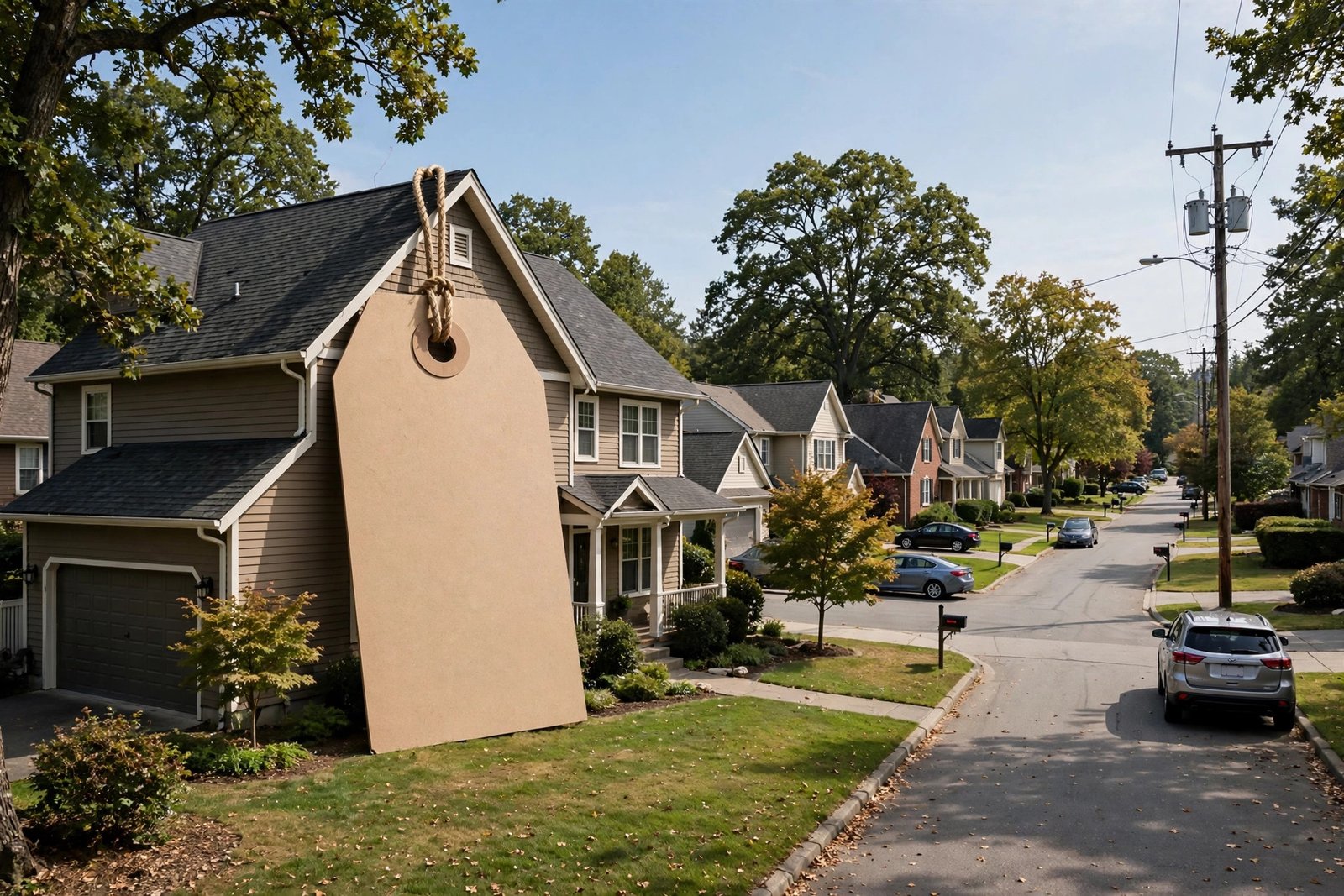
The listing says $589,000. The kitchen is stunning, the backyard is everything you wanted, and your heart is already arranging furniture. But a quiet voice asks the question that separates smart buyers from regretful ones: is this house actually worth $589,000 — or is the seller testing what the market will tolerate?
Overpaying for a home is the most expensive mistake in real estate, and it’s invisible at the time — you don’t feel the extra $30,000 the way you’d feel overpaying for a car. It hides in a higher monthly payment for 30 years, in an appraisal gap you cover with cash, in equity that takes years longer to build. Here’s how to determine what a house is really worth in the current market, spot the signs of overpricing, and protect yourself before you commit.
Start With Comparable Sales: The Only Price That Matters
A home’s market value isn’t what the seller asks, what Zillow estimates, or what your agent hopes — it’s what similar nearby homes actually sold for recently. Comparable sales (“comps”) are the foundation of every professional valuation, and you can run this analysis yourself.
Pull 3–6 sold properties from the last 3–6 months (shorter is better in fast-moving markets) matching these criteria: within half a mile (a mile max in suburban areas), similar square footage (within 15–20%), similar bed/bath count, similar age and condition, and similar lot size. Calculate price per square foot for each, then adjust: add value for the subject property’s advantages (renovated kitchen, extra bathroom, larger lot), subtract for disadvantages (busy street, dated systems, smaller lot). This adjusted range is the home’s probable market value.
Where to find comps: your agent’s MLS access is the gold standard (sold prices are exact, listing sites sometimes lag or omit them). Redfin and Zillow show sold histories with dates and prices — useful, but verify against MLS data when possible. The FHFA House Price Index adds metro-level trend context so you know whether your market is accelerating or cooling beneath individual listings.
Seven Signs a House Is Overpriced
1. It sits while similar homes sell
Days on market is the market’s verdict. If comparable homes sell in 15 days and this one has sat for 60, the price is wrong — full stop. Check price reduction history too; multiple small cuts ($5,000 at a time on a $600,000 listing) signal a stubborn seller, not a motivated one.
2. The price per square foot breaks the neighborhood ceiling
Every neighborhood has an informal price-per-square-foot range. A listing 15–20% above the recent comp range needs extraordinary justification — and “we renovated the bathrooms” rarely qualifies, since appraisers credit renovations at a fraction of their cost.
3. The seller’s pricing logic is emotional
“We need $X to buy our next house” or “we put $80,000 into the kitchen” are seller problems, not market data. Renovations typically return 50–70 cents on the dollar at resale. You’re buying the home’s market value, not reimbursing the seller’s choices.
4. Zestimate and list price wildly diverge from sold comps
Automated valuations aren’t precise, but when Zillow, Redfin, and your comp analysis all cluster $40,000 below the asking price, the pattern is the message.
5. The appraisal comes in low
This is the professional referee’s call. If a licensed appraiser — whose job is literally valuing the property for your lender — says it’s worth less than the contract price, believe them over the listing. When the valuation comes in short, your financing structure may need to change — our guide to improving your credit score to qualify for a loan explains how stronger credit keeps your options open, and the FHFA’s housing market data provides an independent read on local price trends.
6. Rental math doesn’t work
As a sanity check, compare the price against local rents. If similar homes rent for $2,800/month but the listing implies a $4,500 monthly cost, the price-to-rent ratio is stretched — a sign the price has detached from fundamental value, even if you’re buying to live there.
7. Your agent can’t defend it with comps
Ask your agent directly: “Show me the three best comps supporting this price.” If the answer is hand-waving about “the market” or comps from superior neighborhoods, you have your answer.
Market Context: Reading the Temperature
Overpricing is relative to market conditions. In a seller’s market (under 3 months of inventory), homes routinely sell 3–8% over asking — paying “over asking” isn’t overpaying if the final price matches comp-supported value. In a balanced or buyer’s market, list prices are starting points for negotiation, and offering 5–10% below asking on a stale listing is standard practice.
Check these market vital signs: months of inventory (under 3 = seller’s market, over 6 = buyer’s market), sale-to-list price ratio (above 100% = bidding wars; below 97% = negotiation room), average days on market, and the direction of mortgage rates (falling rates bring more buyers and firmer prices). Your agent should provide a monthly market snapshot — if they can’t, that’s its own red flag about their analytical rigor.
What To Do When You Suspect Overpricing
First, quantify it: build your comp-based value range and identify the gap. A $15,000 gap on a $500,000 home is negotiation territory; a $60,000 gap is a walk-away signal unless the seller moves significantly. Second, make your offer match your analysis, not the listing — include your comp summary with the offer so the seller sees it’s analytical, not insulting. Third, protect yourself structurally: keep your appraisal contingency intact (it lets you exit or renegotiate if the professional valuation agrees with you), and never waive it to “be competitive” on a property you already suspect is overpriced.
Fourth, consider the total cost picture before stretching. An overpriced purchase doesn’t just cost the premium — it inflates your property taxes, insurance, and interest for years. Our breakdown of roof replacement costs is a useful reminder of how major maintenance bills compound the pain when you’ve already overpaid for the structure itself.
Conclusion
A house is worth what comparable homes actually sold for — not what the seller hopes, not what an algorithm guesses, not what your emotions suggest in a beautiful kitchen. Build your own comp analysis, watch days-on-market and price-cut patterns, demand that your agent defend the price with data, and let the appraisal contingency be your backstop. In hot markets, paying full asking against strong comps is fine; paying a premium against weak comps is a 30-year mistake. The buyers who build wealth aren’t the ones who “win” bidding wars — they’re the ones who know the price before the war starts.
Frequently Asked Questions
Should I offer below asking price?
If your comp analysis supports a lower value, absolutely — especially on listings sitting 30+ days. In seller’s markets with fresh listings, below-asking offers rarely succeed; in balanced markets or on stale listings, they’re expected.
How accurate are Zillow Zestimates?
Zillow publishes median error rates around 2–7% depending on the market, but errors are much larger for unique properties, rural areas, and homes without recent comparable sales. Treat automated valuations as a starting point, never a verdict.
What if I love an overpriced house?
Offer what it’s worth to the market, not what the seller asks. If they won’t meet reality, be prepared to walk — overpaying for love at first sight is the costliest emotion in real estate. Another house will come.
Can a seller reject an appraisal?
The seller isn’t bound by your appraisal, but a low appraisal usually triggers renegotiation: the seller lowers the price, you cover the gap in cash, you meet in the middle, or the deal dies. Most sellers would rather negotiate than restart the selling process.
Does overpaying matter if I stay 30 years?
Less, but it still costs you: higher monthly payments, more interest paid, higher property taxes, and delayed equity building. Time heals overpayment, but it doesn’t erase it — the extra cost is real money regardless of holding period.