
 By admin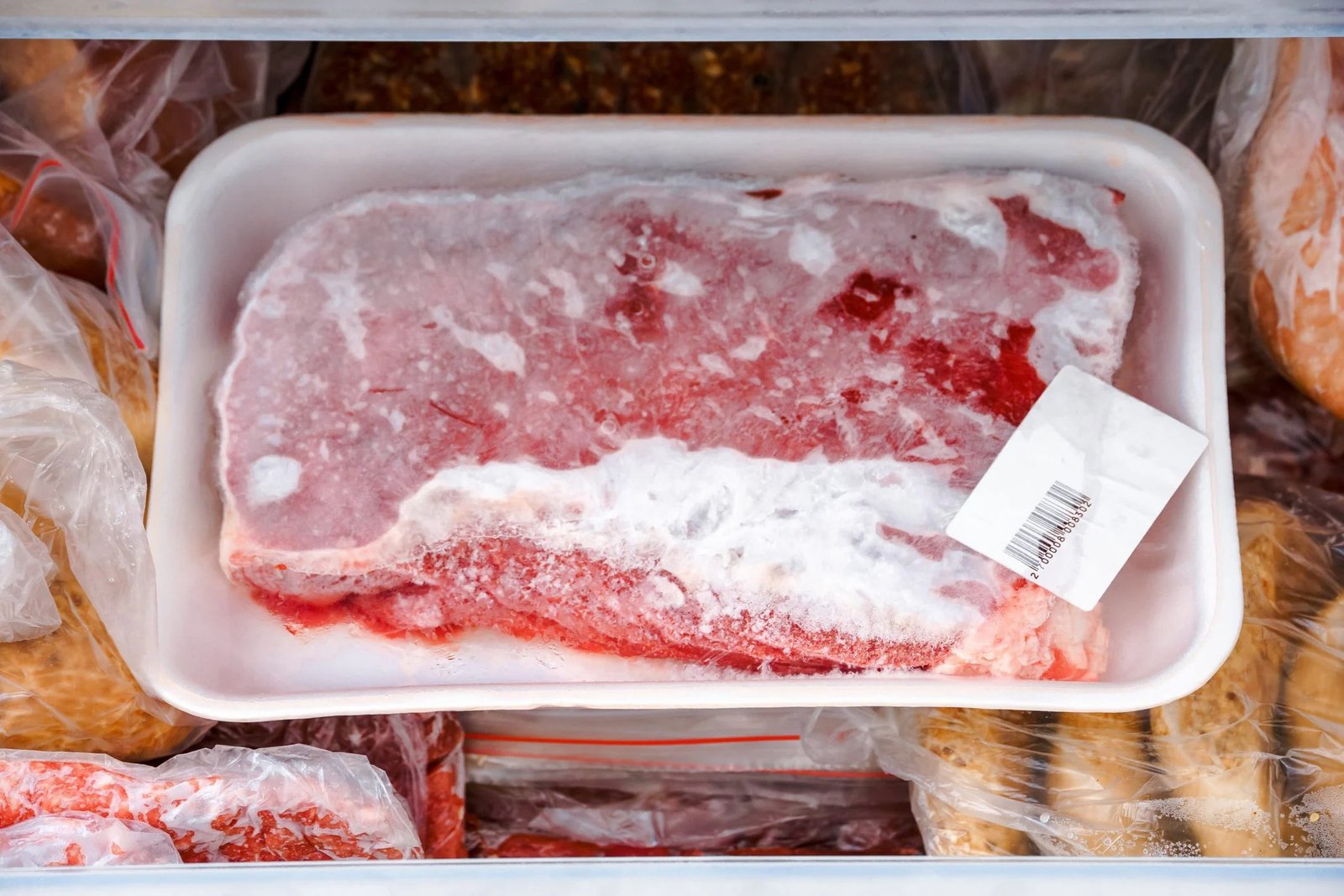
Defrosting meat seems simple until you’re staring at a rock-solid chicken breast at 5 p.m. with dinner plans at 6:30. The temptation to leave it on the counter “just for a bit” is strong — and it’s also the number one food safety mistake home cooks make. Counter-thawing lets the outer layers of meat sit in the bacterial danger zone (40°F to 140°F) for hours while the center stays frozen. Bacteria double every 20 minutes in that range. That “quick counter thaw” can turn dinner into a stomachache.
I’ve been the 5-p.m.-frozen-chicken person more times than I can count. Here’s every safe method, ranked by speed, so you always have an option that doesn’t involve food poisoning roulette.
Method 1: In the Refrigerator (Safest, Slowest)
This is the gold standard and the method food safety experts recommend first. Move the frozen meat from the freezer to the fridge and let it thaw slowly at a safe, consistent temperature below 40°F.
Timing guide:
- Chicken breasts or small cuts: 12 to 24 hours
- Whole chicken (3-4 lbs): 24 to 48 hours
- Ground meat (1 lb): 12 to 24 hours
- Steaks or pork chops: 12 to 24 hours
- Large roast or turkey: 24 hours per 4 to 5 pounds
How to do it right: Place the meat on a plate or in a container on the bottom shelf of the fridge (so drips can’t contaminate food below). Keep it in its packaging or a sealed bag. Once thawed, ground meat and poultry should be cooked within 1 to 2 days; steaks, chops, and roasts within 3 to 5 days.
The huge advantage of fridge thawing: if your plans change, you can refreeze the meat without cooking it first. It’s the only thawing method that allows safe refreezing. The USDA Food Safety and Inspection Service confirms this — fridge-thawed meat that hasn’t been left out can go right back in the freezer.
Method 2: Cold Water Thawing (Fast and Safe)
This is your 5-p.m. savior. Cold water conducts heat about 25 times faster than air, so it thaws meat dramatically faster than the fridge while keeping the surface temperature safe.
How to do it:
- Seal the meat in a leakproof plastic bag (zip-top bags work; press out the air). Water getting into the packaging breeds bacteria and waterlogs the meat.
- Submerge the bag in a large bowl of cold tap water. Not warm, not hot — cold. Hot water brings the outer layers into the danger zone while the center stays frozen.
- Change the water every 30 minutes to keep it cold.
- Cook immediately after thawing.
Timing: A pound of ground meat or chicken breasts thaws in about 1 hour. A 3-4 pound whole chicken takes 2 to 3 hours. Small steaks or chops: 30 to 60 minutes.
The trade-off: meat thawed in cold water must be cooked right away — no refreezing, no “I’ll cook it tomorrow.” The surface has been at cool-but-not-cold temperatures, so the clock is ticking.
Method 3: Microwave Defrosting (Fastest, Most Uneven)
The microwave’s defrost setting works in a pinch, but it’s the least ideal method. Microwaves heat unevenly, so thin edges start cooking while thick centers stay frozen. It’s fine for ground meat you’re about to brown immediately, or chicken going straight into a hot pan.
Rules: Use the defrost setting (usually 30% power), flip and rotate every few minutes, break apart ground meat as it softens, and cook immediately after — no exceptions. Some parts will have entered the danger zone, so there’s no waiting around. Like cold-water thawing, no refreezing without cooking first.
Method 4: Cook From Frozen (The Secret Weapon)
Here’s what most people don’t realize: you can cook many meats straight from frozen, safely. It takes about 50% longer than thawed, but it eliminates the entire thawing dilemma. This works great for:
- Chicken breasts in the oven or air fryer (add 50% to the time, temp to 165°F)
- Ground meat browned in a skillet (it’ll release more water — just let it evaporate)
- Frozen shrimp (add 1-2 minutes — see how to cook shrimp without overcooking)
- Steaks — frozen steaks actually sear better than thawed ones, developing a thicker crust with less overcooked gray band
Don’t cook a whole frozen turkey or large roast from frozen without a reliable recipe — the outside overcooks badly before the center is safe. And always use a thermometer; when cooking from frozen, visual cues are unreliable.
Methods to Never Use
- Counter thawing. The outer layer sits in the danger zone for hours. Just don’t.
- Hot water thawing. Even worse than the counter — the surface heats into the danger zone fast while the inside stays frozen.
- Thawing in the garage, car, or porch. Temperature uncontrolled, animals and insects possible. No.
- Leaving it in a cooler without ice. A cooler without ice is just an insulated danger-zone box.
Planning Ahead: The Real Solution
The best defrosting method is not needing to defrost in a panic. Build the habit: every evening, move tomorrow’s protein from freezer to fridge. It takes 10 seconds and eliminates the 5 p.m. crisis entirely. Pair this with smart freezing in portion-sized bags — flat-frozen portions thaw in half the time of a big lump — and you’ll rarely face the frozen-solid dinner dilemma again.
Best Way to Defrost Meat Safely: Quick Answers
Can I defrost meat on the counter? No — never. The outer layers sit in the bacterial danger zone (40-140°F) for hours while the center stays frozen, and bacteria double every 20 minutes in that range. It’s the number one food safety mistake home cooks make.
What is the fastest safe way to thaw meat? Cold water: sealed in a leakproof bag, submerged in cold (not warm) water changed every 30 minutes. A pound of chicken breasts thaws in about an hour. Cook immediately after — no refreezing, no waiting.
Can I cook meat from frozen? Yes — chicken breasts, ground meat, shrimp, and steaks all cook safely from frozen (add ~50% to the cook time and always use a thermometer). Frozen steaks actually sear better than thawed ones. Don’t try it with whole turkeys or large roasts.
Can I refreeze thawed meat? Only if it was thawed in the refrigerator — that’s the one method that keeps it safe to refreeze. Meat thawed in cold water or the microwave must be cooked first; then the cooked dish can be frozen.
Practical Takeaway
Three safe thawing methods: fridge overnight (best, allows refreezing), cold water changed every 30 minutes (fast, cook immediately), microwave defrost (fastest, cook immediately). Never the counter, never hot water. And remember the secret fourth option — cooking from frozen works great for chicken breasts, ground meat, shrimp, and steaks. Move tomorrow’s dinner to the fridge tonight, and you’ll never have to panic-thaw again.