
 By admin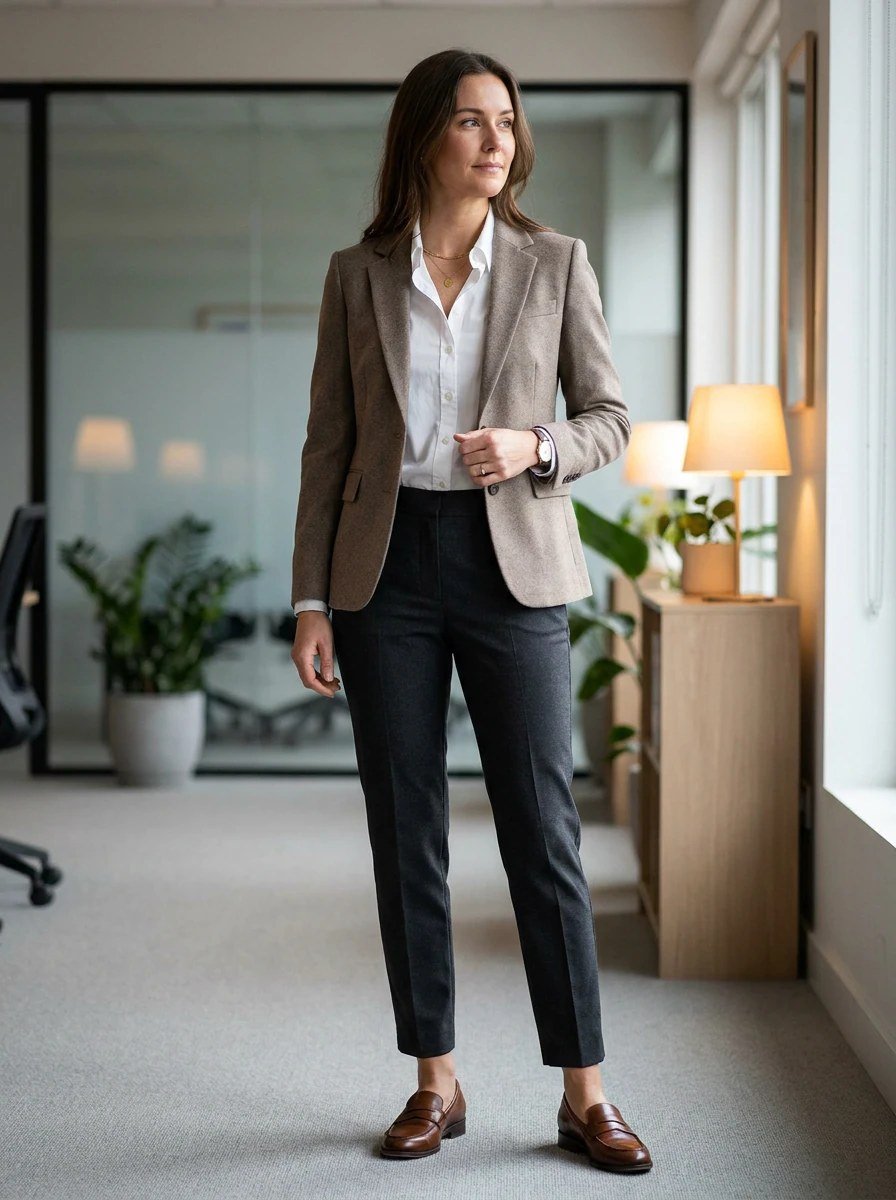
“Smart casual” is the most useful and most confusing dress code in existence. It means “polished but not formal” — which different people interpret as anything from “blazer required” to “nice jeans okay.” For women navigating offices, dinners, and events with this maddeningly vague instruction, here’s what it actually means in practice.
The Definition That Works
Smart casual = one step below business formal, one step above casual. Think: tailored pieces mixed with relaxed ones. A blazer with dark jeans. A blouse with tailored trousers. A knit dress with nice flats. The “smart” half comes from structure, fit, and polish; the “casual” half comes from comfort, modern cuts, and the absence of suiting formality. If an outfit could go to a nice dinner or a creative office, it’s probably smart casual.
What Is Smart Casual Dress Code for Women? Outfit Formulas
- The blazer formula: blazer + simple top + dark jeans or trousers + loafers or ankle boots. The single most reliable smart-casual outfit ever assembled.
- The dress formula: knit midi dress or shirt dress + flats, loafers, or low block heels. One piece, zero decisions, always appropriate.
- The trouser formula: tailored trousers (not suit pants) + blouse or fine-knit sweater + nice flats. Add a cardigan or blazer for structure.
- The skirt formula: midi skirt + tucked-in knit top + ankle boots or ballet flats. Feminine, comfortable, office-to-dinner ready.
- Evening smart casual: dark jeans + silk blouse or embellished top + heeled boots + statement jewelry. Polished enough for a nice restaurant.
Yes list / no list
Yes: blazers, dark jeans (no rips), tailored trousers, blouses, knit tops, midi dresses, loafers, ankle boots, ballet flats, simple jewelry, structured bags. No: ripped or faded jeans, shorts, flip-flops, athletic wear, graphic tees, overly formal suits, cocktail dresses (too dressy), anything you’d wear to the gym or the beach. Gray area: clean white sneakers (acceptable in creative industries, risky in conservative ones), sleeveless tops (fine with a layer), jumpsuits (great if tailored, tricky if slouchy).
Calibrate to the Room
Smart casual at a tech company leans casual (nice jeans fine); at a law firm it leans smart (trousers safer). The invitation’s context is your guide: “smart casual office” vs. “smart casual wedding guest” are different targets. When truly unsure, aim slightly smarter — overdressed by half a step beats underdressed always. Nordstrom’s style guides show these distinctions visually across occasions.
Fabric and condition do quiet heavy lifting: a $30 blouse in good condition that’s steamed reads smarter than a $150 blouse that’s wrinkled. Fit matters more than labels — tailored-looking (even if just well-fitting off the rack) is the whole game. For work contexts specifically, the Bureau of Labor Statistics occupational data sometimes notes industry dress norms worth checking.
Smart Casual Across Seasons
- Spring: light blazer or trench, blouse or knit top, ankle pants or midi skirt, loafers or ballet flats. Fresh colors welcome.
- Summer: linen blazer or structured sleeveless top + tailored shorts alternative (culottes, midi skirt), breathable fabrics, sandals that read polished (not beach). The hardest season — prioritize fabric.
- Fall: the smart-casual golden season — blazers, ankle boots, knit dresses, textured layers. Everything works.
- Winter: wool blazer or structured coat, turtleneck + trousers (the winter smart-casual uniform), heeled boots, tights with skirts. Layers add visual interest.
Smart casual for different body types
The formula adapts: petite: cropped blazers and ankle-length trousers preserve proportion; avoid overwhelming oversized pieces. Plus: structured blazers that skim (not cling), wrap dresses, wide-leg trousers — structure is flattering at every size. Tall: midi lengths hit perfectly; embrace the long line with monochromatic dressing. Curvy: defined waists (belted blazers, tucked tops) celebrate shape; wrap styles are universally kind. The universal truths: fit matters more than size labels, tailoring is worth it at every size, and the “one structured + one relaxed” formula works on every body — it’s about the combination, not the measurements. Confidence in the outfit reads as polish regardless of the hanger size.
Smart Casual: The Complete Do-and-Don’t List
- DO invest in the blazer. One well-fitting blazer in navy or black is the smart-casual skeleton key — it formalizes everything it touches.
- DO keep shoes polished. Smart-casual lives or dies at the shoe level — scuffed shoes drag the whole outfit down.
- DON’T wear gym clothes. Athleisure is not smart-casual, no matter how nice the leggings. The line is bright.
- DON’T wear anything wrinkled. Wrinkles read as sloppy faster than any other single factor.
- DO match the room’s energy. Observe the best-dressed person at your level — that’s your target, not the dress code’s minimum.
- DON’T confuse “casual Friday” with smart casual. They’re different dress codes with different expectations.
- DO own the look. Confidence carries borderline outfits; uncertainty undermines perfect ones.
Building a smart-casual capsule
The dedicated smart-casual wardrobe (15 pieces): 2 blazers (navy, black or camel), 4 tops (2 blouses, 2 fine knits), 3 bottoms (dark jeans, tailored trousers, midi skirt), 2 dresses (one knit, one shirt-dress), 3 shoe pairs (loafers, ankle boots, ballet flats or low heels), 1 structured bag. Everything in a tight palette (navy/black/white/gray + one accent color) so every combination works. This capsule handles offices, dinners, events, and travel — the 15 pieces generate 40+ outfits. Maintain it like the workhorse it is: steam between wears, repair promptly, replace the daily drivers before they’re embarrassing. The smart-casual capsule is the highest-ROI wardrobe segment for most professional women — it covers the most occasions with the fewest pieces.
Smart casual for video calls
Remote work added a new smart-casual context: the waist-up version. The camera sees your top, your background, and your grooming — so invest there. Solid colors photograph best, structured necklines frame the face, and good lighting matters more than any garment. Keep a blazer on the back of your chair for instant upgrades when a client joins unexpectedly. Below the desk, comfort rules — but getting fully dressed anyway changes how you show up on camera. The video-call smart casual is real, and the people who master it get noticed.
The Practical Takeaway
One structured piece + one relaxed piece + polished shoes = smart casual. Calibrate smarter for conservative rooms, keep everything clean and fitted, and when in doubt, add the blazer. You might also like The Most Flattering Swimsuit Styles for Plus-Size Women and What Shoes to Wear With a Black Dress to a Formal Event.