
 By admin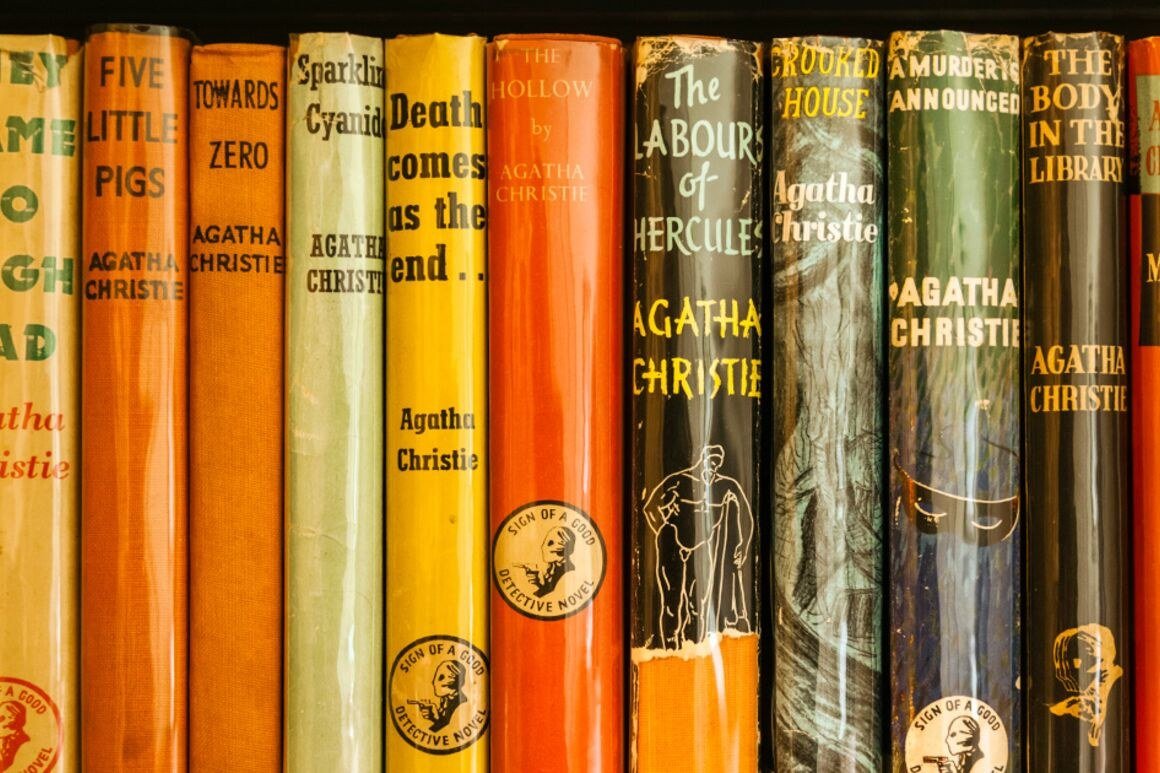
Mystery novels are the perfect gateway into reading for pleasure — they’re propulsive, satisfying, and they turn “just one more chapter” into a lifestyle. But the genre is enormous, and picking wrong can put you off entirely. Start with something too dense and you’ll think mysteries aren’t for you; start with something too gory and you’ll never pick up another. I’ve guided plenty of reluctant readers into the genre, and the secret is matching the subgenre to the person, not just grabbing whatever’s bestselling.
First: Find Your Mystery Flavor
“Mystery” covers wildly different experiences:
- Cozy mysteries: Amateur sleuths, charming small towns, minimal violence, puzzle-focused. Think baking competitions with a murder on the side. The friendliest entry point.
- Police procedurals: Professional detectives, realistic investigations, team dynamics. Satisfying and grounded.
- Psychological thrillers: Unreliable narrators, domestic suspense, twist endings. Page-turners with darker edges.
- Classic whodunits: The Agatha Christie tradition — a closed circle of suspects, clues to spot, a detective who explains it all. Pure puzzle pleasure.
- Hardboiled/noir: Gritty detectives, moral ambiguity, atmospheric darkness. The most “adult” flavor.
The Best Starting Points
If you want fun and light: Cozy Mysteries
- The Thursday Murder Club by Richard Osman. Four retirees in a luxury retirement village solve cold cases. Warm, funny, clever — the rare book that’s both cozy and genuinely well-plotted. The perfect first mystery for almost anyone.
- The No. 1 Ladies’ Detective Agency by Alexander McCall Smith. Precious Ramotswe, Botswana’s first female detective, solves cases with wisdom and kindness. Gentle, humane, utterly charming. Zero gore, maximum heart.
If you want the classics: Start With Christie
- And Then There Were None by Agatha Christie. Ten strangers on an island, dying one by one. The bestselling mystery of all time, and the plot is airtight. If you read one classic, make it this one.
- The Murder of Roger Ackroyd by Agatha Christie. Features one of the most famous twists in literary history. Read it before anyone spoils it for you — and no, I won’t say more.
If you want modern page-turners: Psychological Thrillers
- The Silent Patient by Alex Michaelides. A woman shoots her husband and never speaks again; her therapist tries to unravel why. Short chapters, propulsive pacing, a genuinely surprising twist. Ideal for “I don’t really read” readers.
- Gone Girl by Gillian Flynn. The book that launched a thousand unreliable narrators. Dark, twisted, impossible to put down. Note: the characters are terrible people — that’s the point, but it’s not cozy.
If you want smart and satisfying: Procedurals and Standalones
- In the Woods by Tana French. Lyrical writing meets police procedural — a detective investigating a murder in the woods where he experienced childhood trauma. Atmospheric and beautifully written. (Fair warning: the central mystery famously doesn’t fully resolve, which some readers love and others hate.)
- The 7½ Deaths of Evelyn Hardcastle by Stuart Turton. A man relives the same day in different bodies to solve a murder. High-concept, intricately plotted, and unlike anything else. For readers who like puzzles with their mysteries.
How to Read Mysteries for Maximum Enjoyment
- Don’t skip ahead. The urge to peek at the ending is strong. Resist — the journey is the point, and a spoiled mystery is a ruined mystery.
- Pay attention to names. Mystery authors plant clues in plain sight. That minor character introduced in chapter 3 with a suspicious amount of backstory? Remember them.
- It’s okay to guess wrong. Half the fun is building theories. Keep a mental (or actual) suspect list and revise as you go.
- Series vs. standalones: Series (like the Thursday Murder Club) give you characters to return to; standalones give you complete experiences. Beginners often prefer standalones — no commitment, no catching up.
- Use the library. Mystery readers burn through books fast. Your library’s catalog (and apps like Libby) will save you a fortune. Ask your librarian for read-alikes — see how to find books similar to ones you love.
Where to Go Next
Once you’ve found your flavor, deepen it: cozy readers → Louise Penny’s Still Life (deeper, more literary cozies); thriller readers → The Girl on the Train or Shari Lapena’s The Couple Next Door; Christie fans → work through Poirot and Marple in publication order; procedural fans → Ian Rankin’s Rebus series or Attica Locke’s Highway 59 series.
Mysteries also make phenomenal book club picks — everyone has theories, the reveal structures the discussion naturally, and even the “I guessed it in chapter 2” members stay engaged defending their theories.
Mystery Novels for Beginners: Quick Answers
What is the best mystery novel for someone who doesn’t read much? The Silent Patient — short chapters, propulsive pacing, a killer twist, and under 350 pages. The Thursday Murder Club is the pick if you want warmth and humor with your mystery.
Should I start with Agatha Christie? Yes — And Then There Were None first. It’s the bestselling mystery ever for a reason: airtight plot, genuine surprises, highly readable. Her prose is simpler than modern literary fiction, which makes her very approachable.
Cozy mystery vs. thriller — which should I try? Cozies (small towns, amateur sleuths, minimal gore) if you want comfort and puzzles. Thrillers (unreliable narrators, twists, darker stakes) if you want adrenaline. Try one of each — Thursday Murder Club and Gone Girl — and you’ll know your preference immediately.
How do I read mysteries without getting the twist spoiled? Avoid reviews with comments, don’t Google the title (autocomplete spoils!), and read the book before watching any adaptation. Spoiler culture is real — protect your reading experience.
Mystery Novels for Beginners: One More Thing
Mystery readers burn through books faster than any other genre’s fans — a book every few days is normal. Buying them all gets expensive fast, so make the library your primary source: physical copies, the Libby app for ebooks and audiobooks, and interlibrary loan for anything obscure. Put your next five mysteries on hold now; they’ll arrive just as you finish the current one.
The Library of Congress has rich resources on the history of detective fiction.
Practical Takeaway
New to mysteries? Start with The Thursday Murder Club (fun), And Then There Were None (classic), or The Silent Patient (thriller) — one from each flavor to find yours. Match the subgenre to your taste, don’t peek at endings, and use the library liberally. The right first mystery doesn’t just entertain you for a week — it opens a genre you’ll read for life.