
 By admin
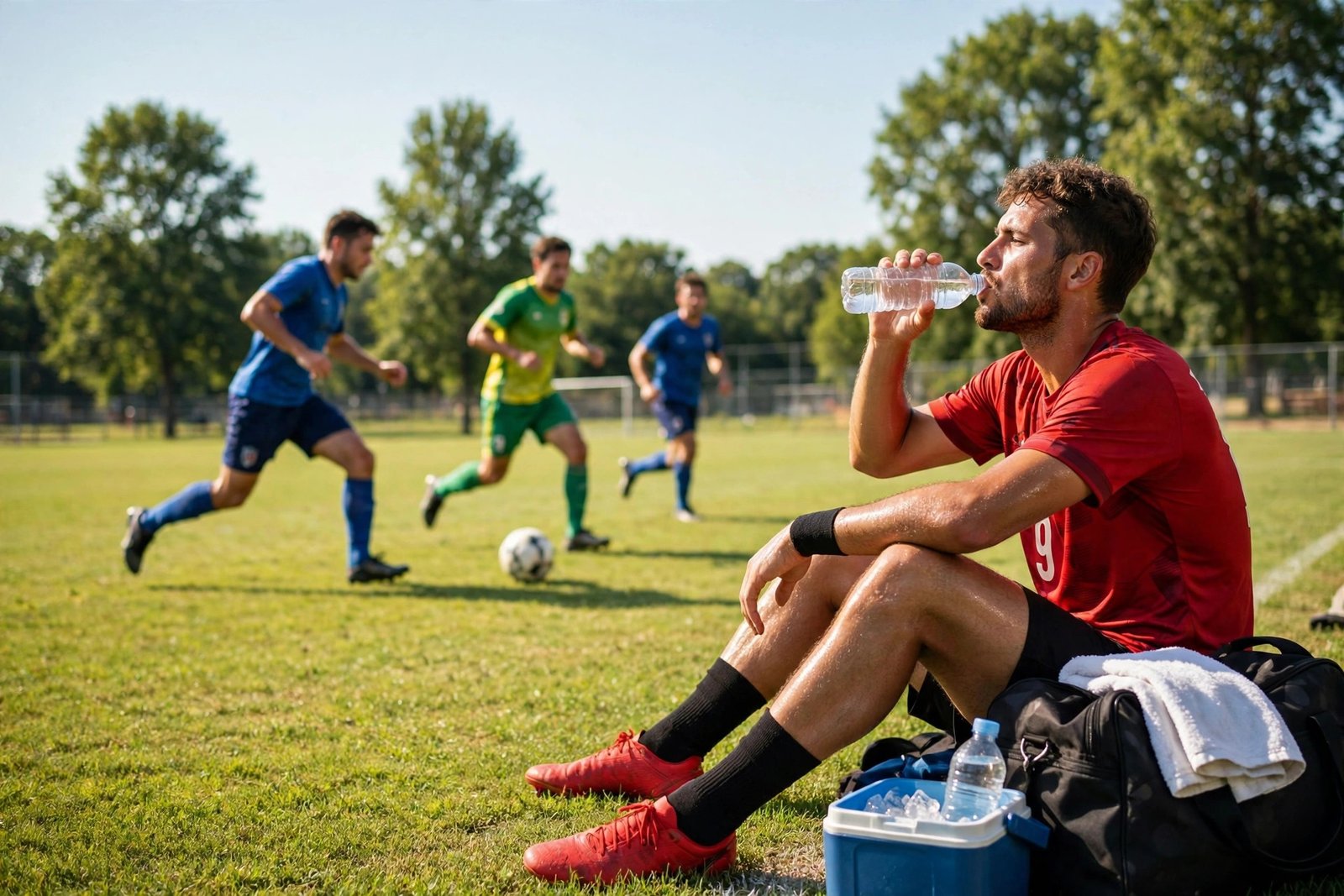
Seattle summers have a reputation problem — the good kind. Visitors expect drizzle; locals know that July through September can deliver stretches of 85-degree heat that catch everyone off guard, especially athletes. Add the region’s beloved outdoor sports culture — summer soccer leagues, weekend cycling, trail running, open-water swimming — and you get thousands of active people exercising in heat their bodies haven’t adapted to. Seattle’s mild climate is precisely what makes summer hydration tricky: you don’t expect to need a heat plan, so you don’t have one. Here’s how to build one.
Why Seattle Summer Heat Catches Athletes Off Guard
Heat acclimatization takes 10–14 days of progressive heat exposure. Seattle athletes who train through a 65-degree June arrive at the first 88-degree weekend physiologically unprepared: higher heart rates, earlier fatigue, dramatically higher sweat rates. The Pacific Northwest’s low humidity helps — sweat evaporates efficiently — but it also deceives: you don’t feel as sweaty, so you underestimate fluid loss. Add the region’s intense summer sun angle and long daylight hours (sunset after 9 p.m. in July), and evening games played in direct sun can be genuinely hot. The CDC’s heat-illness guidance applies in Seattle exactly as it does in Phoenix — heat doesn’t check your zip code’s reputation.
How Much to Drink: The Seattle Adjustment
The baseline rule — 16–32 ounces per hour of exercise, sipped steadily — still applies, but Seattle athletes should bias toward the higher end during heat waves and the lower end during typical 70s weather. The region’s dry summer air increases respiratory water loss and sweat evaporation, meaning you lose more than you feel. Weigh yourself before and after a typical summer workout (towel off, same clothes): each pound lost equals roughly 16 ounces to replace, and your mid-workout drinking should prevent most of that loss from happening during the session. For the full framework, see our guide to how much water you should drink every day, which covers the personalized calculation in detail.
Timing: When Seattle Athletes Should Exercise
During heat stretches, shift training to early morning (before 10 a.m.) or evening (after 7 p.m.) — but note that Seattle evenings stay light and warm late, so “evening” relief arrives later than in other cities. The hottest window is typically 2–6 p.m.; avoid hard efforts then during heat waves. For scheduled competitions (weekend tournaments, league games) you can’t reschedule, pre-cool instead: cold fluids, a cold towel on the neck, and shade between efforts measurably lower core temperature. Tournament players should also know dehydration’s early warning signs — headache, unusual fatigue, dark urine — because multi-game days compound fluid debt invisibly.
Electrolytes: When Water Isn’t Enough
For exercise under 90 minutes in moderate conditions, water suffices. Seattle’s summer edge cases demand more: sessions over 90 minutes, back-to-back tournament games, heavy sweaters, and any workout during a genuine heat wave (85°F+). Sodium is the key electrolyte — it’s what sweat actually removes in quantity — so look for drinks or mixes with 300–700mg sodium per liter rather than sugary sports drinks with token electrolytes. The American College of Sports Medicine’s fluid-replacement guidelines support this sodium-first approach for long, sweaty sessions. Salty sweaters (white crust on gear, stinging eyes) should supplement even in moderate conditions. Real food works too: a salty post-workout meal replaces sodium effectively, which pairs naturally with smart post-workout nutrition.
Seattle-Specific Hydration Scenarios
Summer league soccer and ultimate
Evening games on turf fields are the hidden scorcher — artificial turf radiates heat, and surface temperatures can run 20–30 degrees above air temperature. Bring twice the water you think you need, drink at every stoppage, and use halftime for real fluid intake, not just a sip. Captains: bring a team cooler. It’s the cheapest performance enhancer in rec sports.
Cycling the Burke-Gilman and beyond
Cyclists face unique hydration challenges: wind evaporates sweat invisibly, and long rides outrun any bottle supply. Carry two bottles minimum for 2+ hour rides, plan refill stops (Seattle’s trailheads and parks have fountains — know them), and eat/drink on schedule rather than by feel. Bonking from dehydration 20 miles from home is a miserable, avoidable Seattle cycling tradition.
Trail running in the Cascades
Mountain trails add altitude, sun exposure, and distance from water sources. Carry more than you need — a hydration vest for runs over 90 minutes — and know that streams, while tempting, require filtration. Heat illness on a remote trail is a genuine emergency; tell someone your route.
Open-water swimming (Lake Washington, Puget Sound)
Swimmers forget to drink because they’re surrounded by water. You still sweat — significantly — and cold-water venues mask it completely. Hydrate before and after; during is impractical, so front-load fluids and keep sessions reasonable in warm conditions.
Recognizing Heat Illness: The Non-Negotiable Knowledge
Heat exhaustion: heavy sweating, weakness, headache, nausea, dizziness — stop, cool down, hydrate with electrolytes. Heat stroke: hot/dry or profusely sweaty skin, confusion, slurred speech, collapse — call 911 immediately and cool aggressively (ice, cold water immersion). Heat stroke kills; it can strike athletes who seemed fine minutes earlier. Seattle’s 2021 heat dome sent hundreds to emergency departments — a reminder that “it doesn’t get that hot here” is a dangerous myth. When in doubt, stop. No workout is worth a medical emergency.
Building Your Personal Summer Hydration Plan
Do this once, in June: (1) weigh yourself before/after three typical summer workouts to learn your sweat rate; (2) identify your electrolyte needs based on duration and sweat saltiness; (3) map water sources on your regular routes; (4) set a heat-wave protocol (shift timing, pre-cool, increase fluids, reduce intensity 10–15 percent). Write it down. Athletes with plans hydrate; athletes with intentions forget. And remember the simplest Seattle summer rule: the forecast says 85, your body thinks it’s 95 — plan accordingly.
Conclusion
Seattle’s summer sports scene is glorious — long evenings, dry air, endless trails and fields — but the mild-climate mindset leaves athletes underprepared for heat. Drink 16–32 ounces per hour, bias high during heat waves, add electrolytes for long or hot sessions, shift timing when you can, and know heat illness signs cold. The Emerald City’s summers reward the prepared athlete. Be one.
Frequently Asked Questions
How much water should I drink playing summer sports in Seattle?
Plan on 16–32 ounces per hour of activity, sipped steadily — toward the higher end during heat waves (85°F+) and for turf-field sports. Weigh yourself before/after workouts to personalize: each pound lost is ~16 ounces to replace.
Do I need electrolytes for Seattle summer workouts?
For sessions under 90 minutes in moderate weather, water is enough. Add electrolytes (300–700mg sodium per liter) for longer sessions, tournament days, heavy sweating, or heat-wave conditions.
What are the signs of heat exhaustion during sports?
Heavy sweating, weakness, headache, nausea, dizziness, and unusual fatigue. Stop activity, move to shade, cool down, and hydrate with electrolytes. Confusion or collapse signals heat stroke — call 911 immediately.
Is it safe to exercise during a Seattle heat wave?
Yes, with adjustments: exercise early morning or late evening, reduce intensity 10–15 percent, increase fluids, pre-cool, and know heat-illness signs. Skip hard efforts during the 2–6 p.m. peak, and stop immediately if symptoms appear.
Why do I feel fine but perform badly in Seattle summer heat?
Lack of heat acclimatization. Your body needs 10–14 days of progressive heat exposure to adapt — before that, heart rate runs high and performance drops even when you don’t feel overheated. Train through it gradually rather than forcing peak efforts in the first hot week.