
 By admin
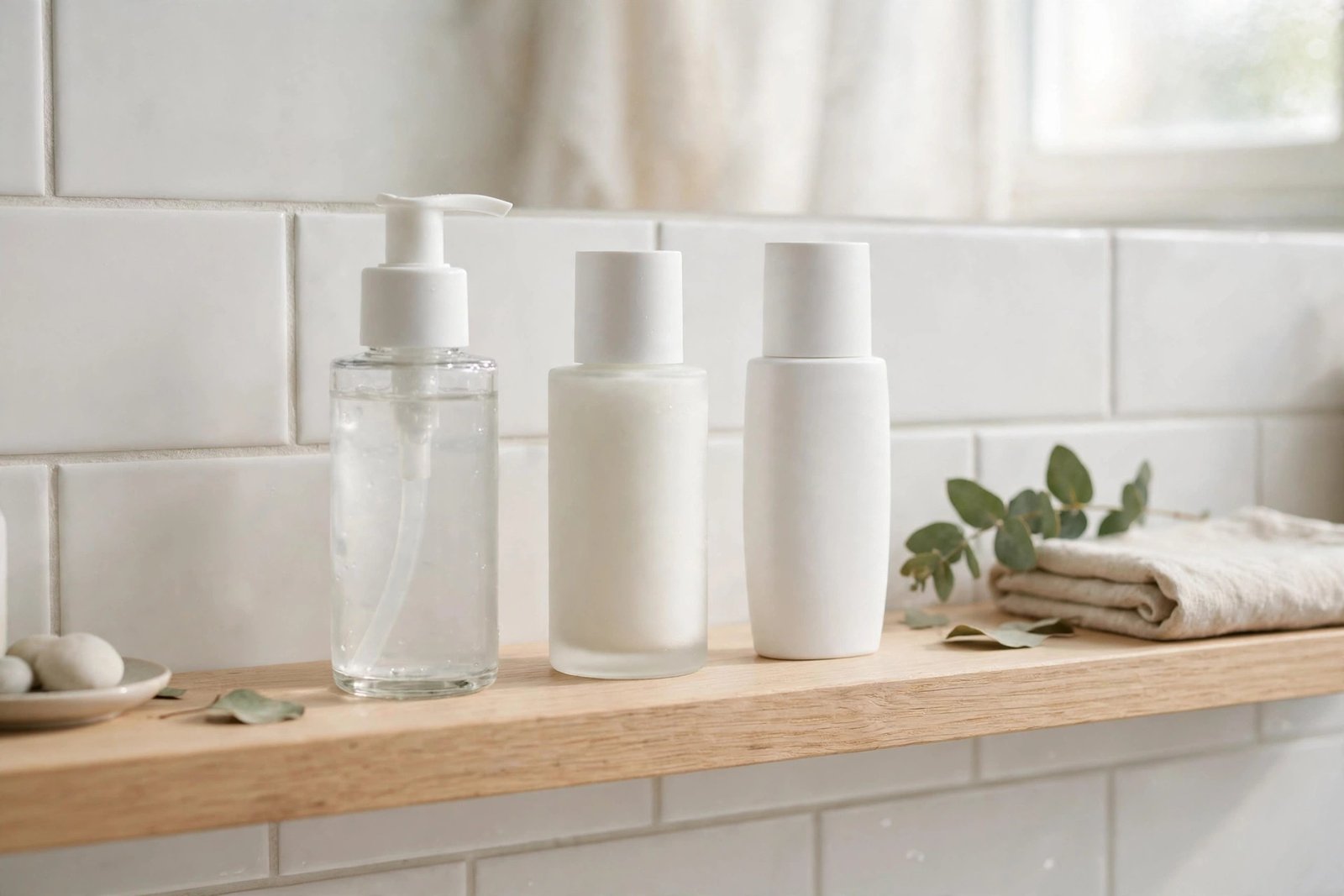
Skincare has a complexity problem. Walk into any store and you’re confronted with twelve-step routines, serums for problems you didn’t know you had, and influencers insisting you need a different product for each square inch of face. For a beginner, the result is usually decision paralysis followed by buying too much, using it inconsistently, and concluding “skincare doesn’t work for me.”
The truth dermatologists keep repeating: most people need three to four products, used consistently. This guide builds that simple routine — what each step does, what to buy, what to skip, and how to tell if it’s working.
The Only Three Steps That Actually Matter
Every effective routine, from drugstore-minimal to luxury-maximal, rests on the same foundation. Everything else is optional.
1. Cleanse (morning and night)
Cleansing removes the oil, sunscreen, and grime that accumulate on skin. Use a gentle, pH-balanced cleanser — your face should feel clean, not tight or squeaky. Tightness means the cleanser stripped your skin barrier, which causes more problems than it solves. If you wear heavy makeup or waterproof sunscreen, consider double cleansing at night: an oil-based cleanser first, then your regular one.
2. Moisturize (morning and night)
Moisturizer seals in hydration and supports the skin barrier. Oily skin still needs moisturizer — just a lightweight gel formula instead of a heavy cream. Skipping it because you’re oily is one of the most common beginner mistakes; dehydrated oily skin often overproduces oil to compensate, making the problem worse.
3. Sunscreen (every morning, non-negotiable)
Sunscreen is the single highest-impact skincare product in existence — more than any serum, device, or treatment. UV damage causes the majority of visible aging, and daily SPF 30+ prevents it. Apply a nickel-sized amount as the last step every morning, rain or shine. If your routine has room for only one “extra,” this is it by a mile.
Building Your Routine: Morning vs. Night
Morning: gentle cleanse (or just water rinse if your skin is dry) → moisturizer → sunscreen. That’s it. Three steps, three minutes.
Night: cleanse → moisturizer. Optionally add one treatment product (see below) after cleansing and before moisturizer. Night is when treatment ingredients do their best work, undisturbed by sun and makeup.
The whole routine costs less than one dinner out if you shop smart — affordable basics for healthier-looking skin proves you don’t need luxury prices for results, and affordable skincare brands that perform lists specific options worth trying.
The One Extra Worth Adding (When You’re Ready)
Once your three-step routine is consistent for a month, you may add one treatment targeting your main concern: vitamin C for dullness and dark spots (mornings), a retinoid for texture and aging (nights, introduced slowly), niacinamide for oiliness and pores, or salicylic acid for breakouts. One at a time. The beginner error is adding three actives in one week, irritating everything, and abandoning all of them.
Introduce any active gradually — twice weekly for two weeks, then every other day, then daily if tolerated. And never add a new active while your skin is already irritated. Patience isn’t just a virtue in skincare; it’s the mechanism.
How to Tell If It’s Working (and When to Change)
Give any routine six to eight weeks before judging — skin cell turnover takes about a month, so faster verdicts are meaningless. Signs it’s working: fewer new breakouts, more even tone, skin that feels comfortable (not tight, not greasy) through the day. Signs something’s wrong: persistent stinging, new redness, or breakouts in areas where you never broke out before — that’s irritation or a bad reaction, not “purging” (true purging only happens with specific actives and in areas where you already get clogged pores).
Change one variable at a time. If you swap your cleanser, moisturizer, and add a serum simultaneously and your skin rebels, you’ll have no idea which change caused it. Skincare troubleshooting is the scientific method applied to your face.
What to Skip Entirely (For Now)
Toners (mostly redundant with modern cleansers), eye creams (your moisturizer works fine around eyes), expensive tools and devices (no device outperforms consistent basics), and anything marketed for a problem you don’t have. The skincare industry profits from inventing needs; your job is to buy only for needs you actually have. The American Academy of Dermatology consistently recommends simplicity for beginners, and the FDA’s cosmetics resources are worth a look before believing any dramatic product claim.
Seasonal Adjustments (Your Routine Isn’t Static)
Skin changes with the seasons, and your routine should shift with it — not overhaul, just tune. Winter typically demands a richer moisturizer (cream instead of lotion), possibly skipping the morning cleanse in favor of a water rinse, and diligent lip and hand care as indoor heating dries everything out. Summer calls for lighter textures (gel moisturizer, mattifying sunscreen), and this is when most people discover whether their sunscreen truly holds up — reapplication matters far more in July than January.
Watch for the transition signals rather than the calendar: tightness after cleansing means step up moisture; midday shine that wasn’t there last month means lighten up. One product swap at a time, same as always. And remember that travel, stress, and hormonal cycles shift needs too — the skill isn’t owning the perfect routine, it’s reading your skin’s feedback and adjusting one variable. After a year of this, you’ll know your skin better than any quiz or influencer ever could. That’s the real graduation: from following a routine to owning one.
Conclusion
A simple skincare routine for beginners is three steps — cleanse, moisturize, protect — done consistently for two months. Add one targeted treatment at a time only after the basics are solid. Skip the twelve-step theater, ignore the pressure to buy for problems you don’t have, and let consistency do what complexity promises. Your skin doesn’t need more products. It needs fewer, used daily.
Key Takeaways
Three steps beat twelve. Cleanse, moisturize, sunscreen — done consistently — outperforms elaborate routines done sporadically.
One active at a time. Introduce new treatments singly and gradually; multi-product overhauls cause the irritation people blame on “sensitive skin.”
Sunscreen is the highest-ROI product. No serum compensates for unprotected UV exposure — make SPF the non-negotiable anchor.
Frequently Asked Questions
How long until I see results from a new skincare routine?
Allow six to eight weeks of consistent use. Skin renews on roughly a monthly cycle, so anything earlier is too soon to judge. Sunscreen’s benefits, meanwhile, are preventive — you’re seeing what doesn’t happen.
Do I really need different products for morning and night?
Not really. The same cleanser and moisturizer work for both; the only true difference is sunscreen in the morning and optional treatments at night. Marketing suggests otherwise because it sells more bottles.
Can I use the same routine year-round?
Mostly yes, with seasonal tweaks — richer moisturizer in winter, lighter formulas in summer, and possibly skipping morning cleanser in dry months. Your skin’s needs shift; your routine’s structure doesn’t have to.
At what age should I start a skincare routine?
The basics (gentle cleansing, moisturizer, sunscreen) are appropriate from the teens onward — sunscreen especially, since UV damage is cumulative from childhood. Targeted treatments can wait until you have a specific concern worth targeting.