
 By admin
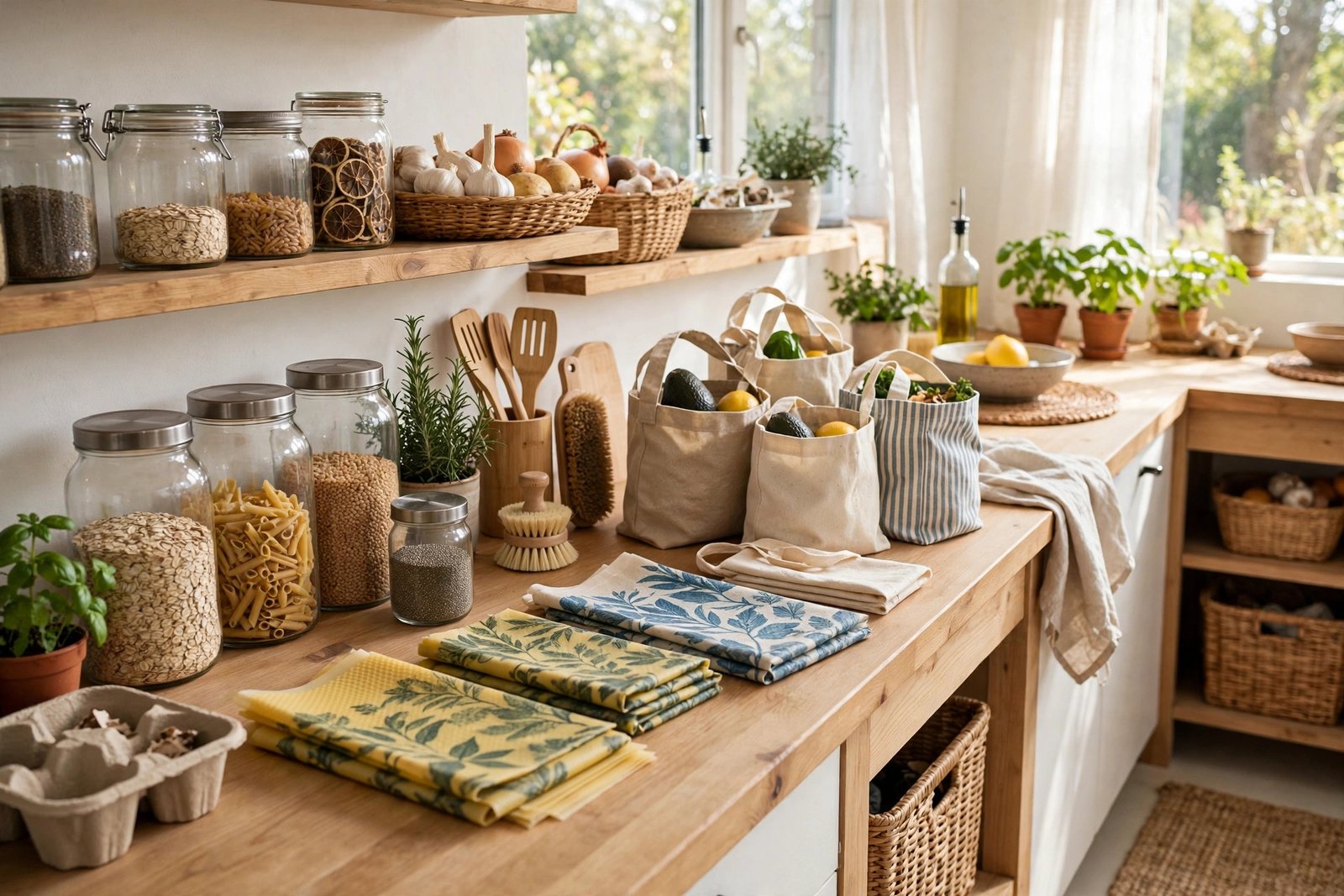
Your kitchen generates more plastic waste than any other room in your home — the produce bags, the cling wrap, the yogurt tubs, the endless packaging inside packaging. It feels inevitable, like plastic is simply the price of eating in 2026. It isn’t. With a systematic approach, most households can cut kitchen plastic waste by half or more within a month, without becoming the kind of person who lectures dinner guests about their straws.
This step-by-step guide walks through the highest-impact changes in order — because not all plastic swaps are equal, and starting with the right ones keeps you motivated instead of overwhelmed.
Step 1: Audit Your Trash (One Week, No Judgment)
For one week, notice what plastic leaves your kitchen. Don’t change anything yet — just observe. Most households discover the same top offenders: produce bags, bread bags, cling wrap, single-use beverage bottles, condiment and dairy containers, and takeout packaging. Your personal top five are your targets; generic advice fails because everyone’s waste profile differs.
This audit does something psychological too: it converts invisible habit into visible data. People who’ve done it consistently report the same surprise — the volume is always worse than they guessed, which makes the motivation self-sustaining.
Step 2: Fix Food Shopping (The Biggest Lever)
Most kitchen plastic enters as packaging, so the store is where waste is decided. Bring reusable produce bags (the lightweight mesh kind — they weigh nothing and replace dozens of plastic bags monthly), reusable shopping bags you actually remember (keep a set in the car, not the closet), and buy from bulk bins with your own containers where stores allow.
Choose differently within categories: loose produce over pre-bagged, glass jars over plastic tubs when prices are comparable, larger containers over individually wrapped portions. None of these require sacrifice — they’re the same products in saner packaging. For the broader household picture, easy eco-friendly home changes complement these kitchen-specific steps.
Step 3: Replace the Daily-Use Disposables
Target the items you touch every day. Swap cling wrap for beeswax wraps or silicone lids (they handle 90 percent of covering jobs). Replace zip-top bags with reusable silicone bags — the good ones last years and go in the dishwasher. Switch paper towels (often plastic-wrapped) to washable cloths for most jobs. Get a water filter instead of bottled water if that’s your habit — it’s cheaper within months.
Do these one at a time as old supplies run out. The sustainable swap is the one you actually complete; buying six eco-products in a weekend creates its own waste stream of abandoned good intentions.
Step 4: Rethink Food Storage
The average kitchen stores food in a archaeological layer of stained plastic containers with missing lids. Transition gradually to glass containers — they last decades, don’t stain or retain odors, go from freezer to oven, and are genuinely recyclable at end of life (unlike most plastic, which is downcycled or landfilled despite the chasing-arrows symbol).
Keep a few quality plastic containers for kid lunches and travel if you like — the goal is reduction, not purity. And learn your local recycling rules properly: the EPA’s recycling guidance explains why “wish-cycling” (tossing questionable plastics in the bin hoping for the best) actually contaminates whole batches.
Step 5: Tackle Takeout and Delivery
Takeout is a plastic avalanche — containers, cutlery packets, sauce cups, bags. The fixes: request “no cutlery/napkins” in delivery app notes (most apps now offer this), choose restaurants that use compostable or minimal packaging, pick up with your own containers where accepted, and cook one more meal weekly — the highest-impact takeout reduction of all.
None of this requires quitting takeout. It requires five seconds of forethought in the order notes, which becomes automatic within weeks.
Step 6: Handle What Remains Responsibly
You’ll never hit zero plastic — and that’s fine. For what remains: recycle correctly according to your local program (rules vary by municipality — check, don’t guess), return plastic bags and film to grocery store drop-off bins (curbside programs generally can’t process film), and compost food scraps so plastic isn’t contaminated with organic waste.
Consider the upstream too: supporting brands with genuine packaging commitments (not just green labels) shifts the market. Individual action matters, but corporate packaging decisions dwarf household efforts — which is why broader home efficiency steps and conscious purchasing multiply your impact beyond the kitchen.
Getting the Household on Board (Without Becoming “That Person”)
Nothing kills a waste-reduction effort faster than turning it into a household lecture series. The approach that works: make the sustainable option the easy option. Put the reusable bags by the door, not in a drawer. Keep the beeswax wraps where the cling wrap was. Stock the fridge with the glass containers at eye level. When the low-waste choice requires less effort than the alternative, even skeptical family members adopt it without a campaign.
For kids, frame it as a game, not a guilt trip — who can spot the most plastic-free lunchbox, or guess the week’s trash weight. For partners, lead with the money: show the actual savings from ditching disposables rather than the environmental sermon. And accept imperfection gracefully — a household that cuts plastic 60 percent joyfully beats one that hits 90 percent resentfully and quits. The EPA’s recycling basics make a good shared reference for the whole family, since proper sorting is one habit everyone can adopt together without lifestyle upheaval.
Conclusion
Reducing plastic waste in your kitchen is six steps in priority order: audit your trash, fix food shopping, replace daily disposables, transition food storage, tame takeout, and handle the rest responsibly. Do them sequentially, one at a time, and a month from now your trash will tell the story. You won’t eliminate plastic — but you’ll have cut the biggest sources, saved money on disposables, and built habits that stick because they were never about perfection in the first place.
Key Takeaways
Attack packaging at the source. Shopping habits — reusable bags, bulk bins, smarter packaging choices — cut more plastic than any downstream swap.
Replace as you run out. One-at-a-time swaps stick; weekend eco-hauls create abandoned good intentions.
Reduction beats recycling. Most plastic isn’t truly recycled — refuse and reuse first, recycle what’s left correctly.
Progress over purity. A 60% cut you sustain beats a 90% crusade you abandon — build habits that survive real life.
Frequently Asked Questions
Is it expensive to reduce plastic waste in the kitchen?
The transition has upfront costs (reusable bags, glass containers) but saves money within months — reusables replace endless disposable purchases. Most households break even in 2–4 months and save steadily after.
Are “biodegradable” plastics actually better?
Often not — many require industrial composting facilities that most areas lack, and they contaminate regular plastic recycling. Reduce and reuse first; treat “biodegradable” labels with skepticism unless your area composts them.
What’s the single highest-impact change?
Bringing reusable produce and shopping bags plus buying from bulk bins — these attack packaging at the source, where most kitchen plastic originates. One shopping habit change outweighs a dozen small swaps.
Does recycling plastic actually work?
Partially — only certain plastics (typically #1 and #2) are reliably recycled in the US, and much plastic is downcycled rather than truly recycled. That’s exactly why reduction beats recycling in the waste hierarchy: refuse, reduce, reuse, then recycle.