
 By admin
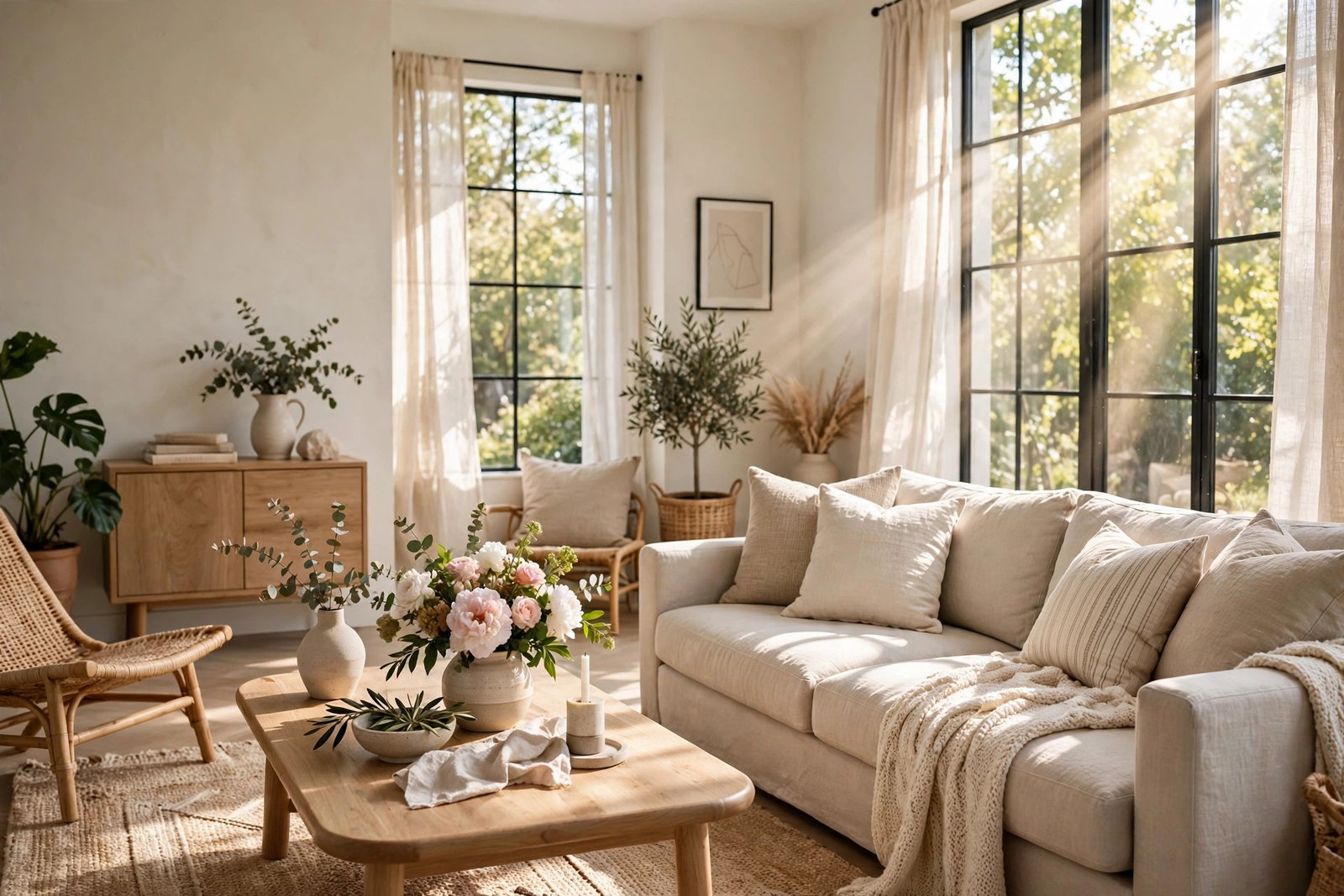
Buyers decide how they feel about your home within the first 90 seconds of walking through the door — and much of that judgment forms before they’ve consciously processed a single room. Home staging is the deliberate art of presenting your property so buyers instantly picture their own lives unfolding inside it. It’s not decorating for yourself; it’s merchandising for the market. And the data says it works: staged homes consistently sell faster and, according to industry surveys, for measurably more than unstaged comparable properties.
But staging done wrong is just expensive clutter — or worse, staging that screams “they’re hiding something.” Here’s how to stage your home to sell for top dollar: the psychology behind it, the room-by-room playbook, what to spend money on (and what to skip), and when professional staging actually pays for itself.
The Psychology: Why Staging Moves the Price
Staging exploits three well-documented buyer behaviors. First, buyers can’t visualize — over 80% of buyers in industry surveys say they can’t picture a home’s potential when it’s empty or cluttered with someone else’s life. An empty room looks smaller than a furnished one; a cluttered room looks smaller still. Second, buyers buy aspiration: they’re purchasing the life the home represents, and staging sells the movie trailer for that life. Third, perceived maintenance: a crisp, clean, updated-feeling home signals “well cared for,” which reduces the buyer’s fear of hidden problems — and fear is what discounts offers.
The National Association of Realtors’ staging reports have consistently found that staged homes spend less time on market, with a majority of agents reporting that staging increases offer amounts. The mechanism isn’t magic — it’s competition. A staged home photographs dramatically better, and since 95%+ of buyers start online, better photos mean more showings, more showings mean more offers, and more offers mean higher prices.
Phase 1: Declutter, Depersonalize, Deep Clean
Before spending a dollar on staging, do the free work that delivers half the value. Declutter ruthlessly: remove 30–50% of visible items from every room — countertops, shelves, closets (buyers open them; stuffed closets scream “not enough storage”). Rent a storage unit if needed ($100–$200/month beats a $10,000 price cut). Depersonalize: family photos, kids’ artwork, religious items, political memorabilia, trophy collections — buyers need to mentally move in, and your memories block theirs. This isn’t about erasing your identity; it’s about creating blank canvas.
Deep clean like a surgical suite: baseboards, window tracks, grout, ceiling fans, inside appliances, light fixtures. Professional deep cleaning ($300–$600) is the highest-ROI staging spend available. Fix the small stuff buyers’ eyes catch: dripping faucets, squeaky doors, scuffed paint, burned-out bulbs, cracked switch plates. Each minor defect plants a seed of doubt about major ones. Our checklist for fixing a leaky faucet yourself covers one of the most common (and cheapest) pre-listing repairs.
Phase 2: Room-by-Room Staging Playbook
Living room: the emotional center
Arrange furniture to emphasize space and flow — float sofas away from walls, create conversation groupings, ensure clear paths through the room. Remove excess furniture; fewer, well-placed pieces make rooms feel larger. Add one warm light source per corner (floor lamps beat overhead lighting for photos and showings).
Kitchen: clean, clear, barely-there
Clear counters to near-empty: one attractive item (wooden bowl, cookbook stand) maximum. Remove refrigerator magnets, dish racks, and small appliances you don’t use daily. If cabinets are dated, new hardware ($200–$400 for a kitchen) modernizes them shockingly well. A bowl of fresh fruit is the oldest staging trick because it still works.
Primary bedroom: the retreat fantasy
Invest in crisp white or neutral bedding — it’s the bedroom equivalent of a fresh coat of paint. Symmetrical nightstands with matching lamps, minimal surfaces, no exercise equipment or laundry piles. You’re selling rest.
Bathrooms: spa, not storage
Remove everything from counters except a soap dispenser and one rolled towel set. New shower curtain, fresh caulk ($15 and an hour transforms a tub), fluffy white towels staged like a hotel. Re-caulking alone makes decade-old bathrooms look renovated in photos.
Curb appeal: the 90-second rule starts outside
Power-wash the driveway and siding, mulch the beds ($100 in mulch transforms a yard), paint the front door (a $40 gallon in a confident color is the cheapest value-add in real estate), update the mailbox and house numbers, and trim everything. Buyers form their price anchor before entering — our guide on improving curb appeal on a budget details the highest-impact exterior moves under $500.
Phase 3: Light, Color, and the Details That Photograph
Light sells homes. Replace dim bulbs with bright daylight LEDs (100W equivalent), clean every window inside and out, remove heavy drapes, and trim bushes blocking windows. For paint, agree with the data: neutral, light colors (warm whites, light grays, “greige”) photograph best and appeal broadest. One accent wall in a deep, tasteful color can add character without risk — but repaint anything bold, dark, or highly personal.
Photography deserves its own budget line. Professional real estate photography ($200–$400) with twilight exterior shots routinely generates 2–3x the online views of phone photos. In 2026, also consider a 3D tour — buyers increasingly filter listings by tour availability, and homes with tours get meaningfully more qualified showings.
DIY vs. Professional Staging: The Math
DIY staging (your furniture, edited and rearranged, plus $500–$2,000 in accessories, paint, and cleaning) works well for homes that are already furnished tastefully. Professional staging — where a stager brings in rented furniture — costs $2,000–$5,000+ for a typical home and makes the most sense for vacant properties (vacant homes sell for measurably less; buyers can’t gauge scale and the emptiness emphasizes flaws) and luxury listings where the buyer pool expects it.
The ROI framework: professional staging typically costs 1% or less of the home’s value. If it lifts your sale price by even 2–3% — well within reported ranges — or sells the home a month faster (saving a month of mortgage, taxes, and insurance), it pays for itself several times over. Get quotes from two stagers, ask for before/after portfolios of homes in your price range, and confirm who pays if the listing extends beyond the initial rental term.
What Not to Do
Don’t over-stage: too many accessories, themed rooms, or heavy fragrance (plug-ins and candles suggest you’re masking something — bake cookies instead, or just ventilate). Don’t stage around problems — fresh paint over water stains without fixing the leak is misrepresentation that inspections will expose. Don’t neglect the “boring” rooms: garages, laundry rooms, and closets get opened and judged. And don’t leave pets’ evidence — litter boxes, food bowls, and pet odors are showing-killers; board the animals during photo day and showings if possible.
Conclusion
Staging for top dollar is a sequence, not a shopping spree: declutter and depersonalize first, deep clean everything, fix the small defects, then layer in light, neutral color, and strategic furniture placement — with curb appeal setting the opening price anchor. Spend money where cameras and buyers’ eyes go (kitchens, primary bedroom, exterior, photography) and skip it where they don’t. Whether DIY or professional, staging isn’t about fooling buyers — it’s about removing every obstacle between them and picturing their life in your home. The sellers who do this work don’t just sell faster; they sell into competition, and competition is what sets records.
The National Association of Realtors’ staging research quantifies the ROI room by room, and the CFPB’s Owning a Home toolkit helps sellers model the numbers before spending a dollar.
Frequently Asked Questions
How much does home staging cost?
DIY staging runs $500–$2,000 (paint, accessories, deep cleaning). Professional staging with rented furniture costs $2,000–$5,000+ for a typical home, varying by market, home size, and rental duration. Vacant-home staging costs more than occupied-home consultations.
Is staging worth it for a seller’s market?
Yes — arguably more so. In hot markets, staging doesn’t just sell the home; it manufactures the bidding war. Multiple offers on a staged home routinely push prices 5–10%+ over asking, dwarfing the staging investment.
Should I stage a vacant home?
Strongly recommended. Vacant homes photograph poorly, feel smaller, and invite lowball offers — buyers project their doubts into empty rooms. Even partial staging of key rooms (living, kitchen, primary bedroom) transforms perception.
How long does staging take?
DIY decluttering and cleaning: 1–3 weekends. Professional stagers typically install in 1–2 days once scheduled. Plan staging 2–4 weeks before your target list date to allow photography and listing preparation.
Can I stage with my own furniture?
Absolutely — most occupied homes stage best with edited versions of the owner’s furniture. Remove excess pieces, rearrange for flow and light, add neutral textiles, and supplement with a few modern accessories. Honest self-assessment (or a stager’s consultation, often $200–$400) keeps it objective.