
 By admin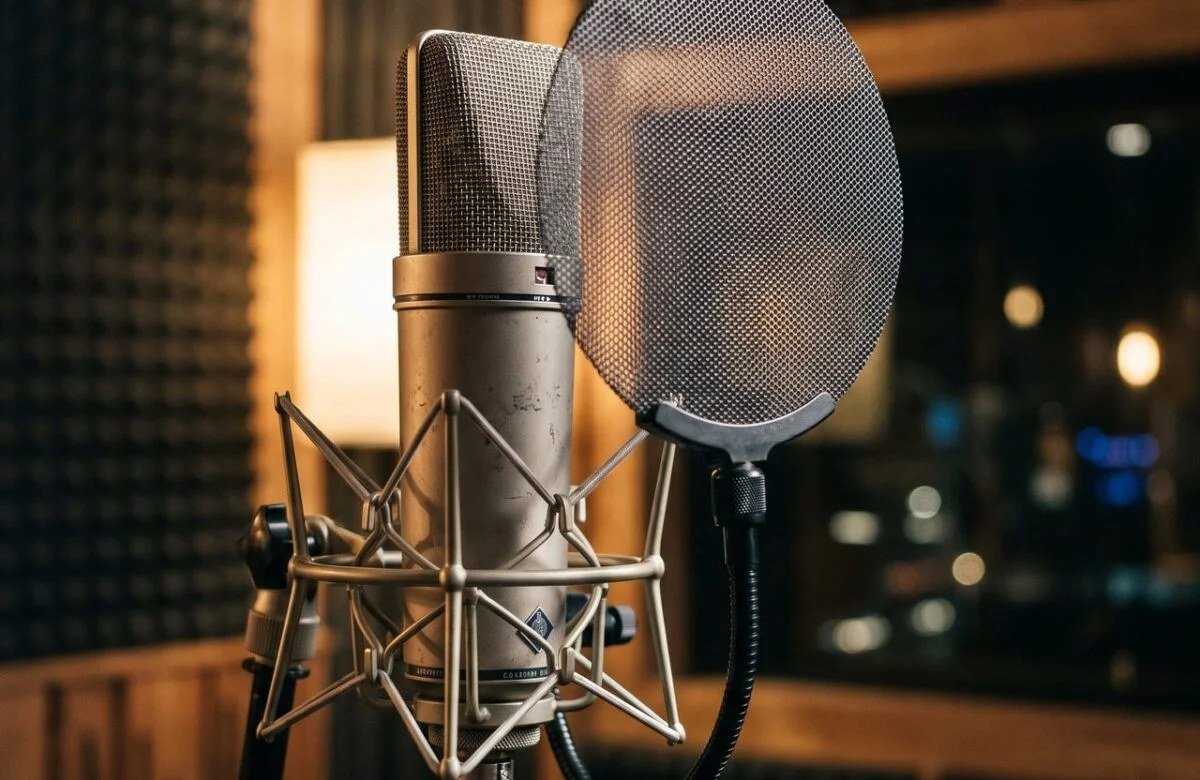
Starting a podcast feels like it should require a studio, a producer, and technical wizardry. It doesn’t. Some of the most popular podcasts in the world started with a USB microphone and a laptop in a bedroom. I’ve launched podcasts from scratch (and helped friends launch theirs), and the barrier to entry has never been lower. If you have something to say and a smartphone, you can start this weekend. Here’s the complete no-experience guide.
Step 1: Define Your Show (30 Minutes of Thinking)
Before buying anything, answer these questions:
- What’s it about? Pick a topic you can talk about for 50+ episodes without getting bored. Narrow beats broad: “interviews with local chefs” beats “food talk.” Your enthusiasm is the show’s fuel — choose accordingly.
- Who’s it for? Picture one specific listener. “Busy parents who want 20-minute history stories” is a show; “everyone interested in stuff” is not.
- What’s the format? Solo commentary, co-hosted conversation, interviews, storytelling/narrative, or panel discussion. Beginners should start with co-hosted or interview formats — solo shows are deceptively hard (talking alone to a microphone for 30 minutes is a skill).
- How long, how often? Start with 20-40 minute episodes, every 1-2 weeks. Consistency matters more than frequency — a biweekly show that never misses beats a daily show that flames out in a month.
- What’s the name? Clear, searchable, spellable. Check that the name isn’t taken (search podcast directories) and grab matching social handles.
Step 2: The Minimum Viable Equipment
You need less than you think. The starter kit:
- Microphone: $70-100. The Samson Q2U (~$70) or Audio-Technica ATR2100x (~$100) are the standard beginner picks — USB and XLR compatible (so they grow with you), dramatically better than any built-in mic. This is the one purchase that matters most.
- Headphones: $0. Use whatever earbuds you have. You need them to monitor audio and prevent echo — any headphones work.
- Recording software: free. Audacity (free, all platforms) or GarageBand (free, Mac) handle recording and basic editing. For remote co-hosts/guests: Riverside.fm or SquadCast record each person locally (free tiers available) — massively better quality than Zoom recordings.
- Recording space: free. A closet full of clothes is a world-class recording booth — the fabric absorbs echo. Seriously: closets, cars, blanket forts. Soft furnishings beat expensive acoustic panels at this level.
Total startup cost: under $100. Everything else (mixers, fancy mics, acoustic treatment) can wait until you have 20 episodes and know you’re committed.
Start Your Simple Podcast: Record Your First Episodes
- Write an outline, not a script. Bullet points of topics and transitions. Scripts sound robotic; pure improvisation rambles. Outlines hit the sweet spot.
- Record 3 episodes before launching. This gives you a buffer (life happens), lets you improve rapidly between episodes 1 and 3, and means new listeners who discover you have more to binge.
- The first 60 seconds matter most. Hook listeners immediately: the most interesting moment, the big question, the surprising claim. “Hey guys, welcome back to…” loses listeners; starting mid-story keeps them.
- Embrace imperfection. Your first episodes will have ums, awkward pauses, and uneven audio. Publish anyway. Every podcaster’s early episodes are rough — the only bad first episode is the one you never release.
- Record a proper intro/outro. 15-30 seconds: show name, what it’s about, where to follow. Record it separately after the episode when you’re warmed up — it’ll sound 10x better.
Step 4: Edit Simply
Beginner editing is just three things:
- Cut the mistakes. Remove false starts, long pauses, and tangents that go nowhere. Be ruthless — your listeners’ time is precious.
- Level the audio. Free tools (Audacity’s normalize, or Auphonic’s free tier) even out volume differences automatically.
- Add music. Royalty-free intro/outro music from Pixabay Music, YouTube Audio Library, or Uppbeat (free tier). 10 seconds of music signals “this is a real show” to listeners’ brains.
Budget 2-3x the episode length for editing as a beginner (a 30-minute episode takes 60-90 minutes to edit). You’ll get faster. Don’t over-edit — removing every “um” makes hosts sound robotic. Edit for clarity and pace, not perfection.
Step 5: Publish Everywhere
- Get a podcast host. Buzzsprout, Podbean, or Anchor (free) — the host stores your audio and generates your RSS feed. $0-18/month. This is non-negotiable; you can’t just upload to Spotify directly (well, Anchor lets you, but a real host gives you everywhere).
- Submit to directories. Apple Podcasts, Spotify, Google Podcasts, Amazon Music, Stitcher. Your host usually submits automatically or with one click. This takes a few days for approval — submit before your launch date.
- Write good show notes. Episode title (clear + intriguing), 2-3 sentence description with keywords, timestamps for topics, links mentioned. Show notes are your SEO — they’re how new listeners find you.
- Launch with 3 episodes. As planned above. New listeners binge; give them something to binge.
Step 6: Grow (Slowly, Sustainably)
- Tell everyone. Personal network first — friends, social media, relevant online communities. Your first 100 listeners come from people you know.
- Be a guest elsewhere. Guest on similar podcasts in your niche. It’s the most effective growth tactic — borrowed audiences who already like your topic.
- Stay consistent for 6 months. Most podcasts die before episode 10. The ones that survive a year with consistent releases build real audiences. Podcasting rewards persistence over talent.
- Engage listeners. Ask questions, read feedback on air, build a community (Discord, subreddit, email list). A small engaged audience beats a large passive one.
- Don’t obsess over numbers early. 50 downloads per episode in month 3 is normal and fine. Growth compounds — focus on making each episode better than the last.
Common Beginner Mistakes
- Buying too much gear. The $70 mic in a closet beats the $500 mic in an echoey room. Upgrade when your audience demands it, not before.
- No clear concept. “Two friends chatting about whatever” is not a show concept — it’s a phone call. Give listeners a reason to choose you.
- Inconsistent schedule. The fastest way to lose listeners is disappearing. Pick a schedule you can sustain for a year.
- Ignoring audio quality basics. Listeners forgive boring content longer than bad audio. Mic close to mouth (fist-width away), quiet room, headphones on — the fundamentals matter enormously.
- Quitting at episode 7. The dip is real and universal. Push through to 20 before judging.
Podcasting also makes a great creative hobby — see how to find a new hobby you actually enjoy.
NPR’s podcasting guides and industry coverage are worth following as you grow.
Practical Takeaway
Start your podcast this weekend: define your concept (narrow topic, clear listener, simple format), buy a $70 USB mic, record in a closet with free software, outline (don’t script) 3 episodes, edit lightly, publish through a host to all directories, and commit to 6 months of consistency. Total cost: under $100. Total time to launch: one focused weekend. The world doesn’t need another perfect podcast — it needs yours, imperfections and all. For inspiration on what great audio sounds like, browse podcasts worth emulating across every genre.