
 By admin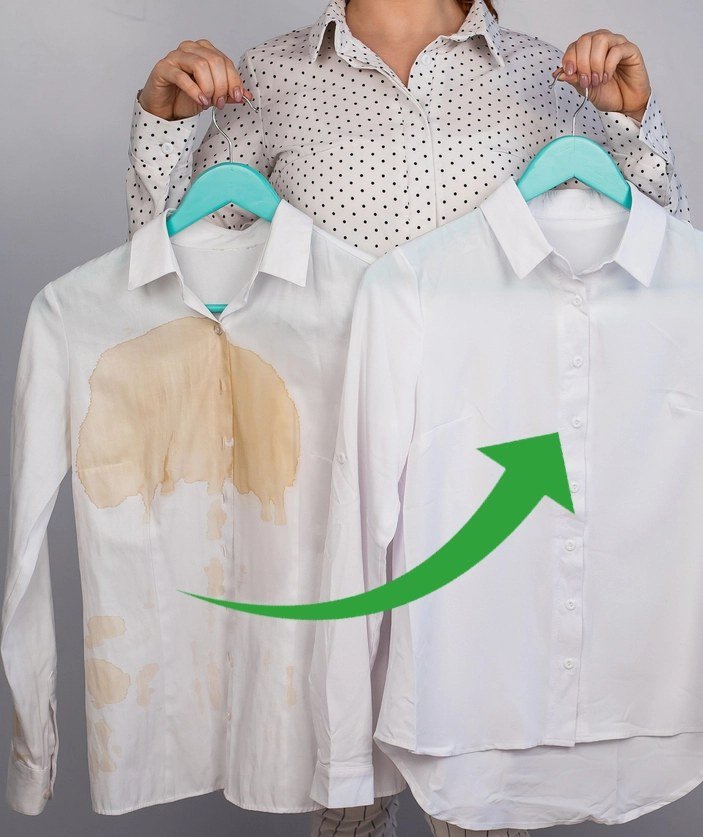
White shirts are professional armor — until the coffee, the pasta sauce, or the mysterious yellow armpit stains declare war. The difference between a shirt that survives and one that becomes a painting smock usually comes down to the first ten minutes. Here’s how to win the stain war, organized by enemy.
The Universal Rules (Learn These First)
- Act fast. Fresh stains are dramatically easier than set stains. Blot (don’t rub) immediately with a clean cloth or napkin.
- Cold water first, always. Hot water cooks protein stains (blood, egg, sweat) into the fabric permanently. Cold first; heat only after the stain is gone.
- Never put a stained shirt in the dryer until the stain is fully out — dryer heat sets stains permanently. Air-dry and check first.
- Work from the outside in to avoid spreading the stain outward.
How Do I Remove Stains From White Shirts? By Stain Type
Coffee/tea: flush with cold water, rub in liquid dish soap or laundry detergent, let sit 15 minutes, wash. For dried coffee, soak in oxygen bleach solution first.
Red wine/tomato sauce: cover with salt or baking soda immediately to absorb, then flush cold. Dish soap + hydrogen peroxide (3%) mix works on dried spots — test in a hidden area first.
Grease/oil/food: dish soap is literally designed for this — apply directly, work in gently, let sit, wash in the warmest water the fabric allows. For stubborn grease, a paste of baking soda left overnight draws it out.
Blood: cold water only, always. Soak in cold salt water, then hydrogen peroxide for dried blood. Hot water is the enemy here.
Sweat/yellow armpit stains: the classic white-shirt killer is actually aluminum from antiperspirant plus sweat. Paste of baking soda + hydrogen peroxide + dish soap, applied for 30–60 minutes before washing, is the most effective DIY fix. Prevention: let antiperspirant dry fully before dressing, and consider aluminum-free deodorant for white-shirt days.
Ink: dab rubbing alcohol with a cotton ball (don’t rub), working from outside in, then wash. Ballpoint responds best; gel ink is harder.
The American Cleaning Institute maintains a detailed stain-removal database by stain and fabric type — bookmark it.
The nuclear options for dingy whites
When white shirts go generally gray or yellow with age: soak overnight in oxygen bleach (sodium percarbonate — the active ingredient in OxiClean-type products), then wash hot. For extreme cases, a careful bluing product or a brief diluted bleach soak (follow label directions exactly; bleach weakens fabric over time). Sun-drying is a free natural whitener. And check the FTC’s care label guidance — “do not bleach” means exactly that, even for whites.
Prevention Beats Treatment
Wear an undershirt under dress whites (it takes the sweat hit instead), treat stains the moment they happen, wash whites separately in hot water with enough detergent, and don’t overload the washer — dinginess is often just redeposited dirt from crowded loads. A white shirt rotation (so no single shirt takes daily abuse) extends each shirt’s life enormously.
Stain Prevention: The White Shirt Survival Kit
Keep this kit where you get dressed — prevention beats treatment:
- Stain remover pen in your bag/desk — the first 60 seconds determine everything.
- Undershirts for dress whites — they absorb sweat before it reaches the shirt. The shirt lasts twice as long.
- Antiperspirant discipline: apply at night (it works better), let it dry fully before dressing, consider aluminum-free for white-shirt days.
- Apron while cooking/eating risky foods. Not glamorous. Extremely effective. The 10 seconds it takes saves the shirt.
- Napkin tuck for the brave. At Italian restaurants, dignity is optional; the shirt is not.
- Separate whites immediately. Don’t let a white shirt sit in the hamper marinating in a stain — treat or soak the same day.
When to retire a white shirt
Even perfect care has limits. Retire when: collar and cuffs are permanently dingy despite treatment (these take the most abuse), the fabric is thinning (hold it to light — if it’s translucent with wear, it’s done), stains survived the nuclear options (oxygen bleach soak + sun + professional cleaning), or it no longer fits well (bodies change; a strained button is worse than a stain). Demote retired whites to undershirts, painting clothes, or cleaning rags — white cotton makes excellent rags, so nothing is wasted. And replace thoughtfully: a $40 well-made white shirt that lasts 2 years beats four $15 shirts that die in months. The cost-per-wear math on wardrobe staples always favors buying the better version once.
Stain Removal Toolkit: What to Keep on Hand
A $20 kit handles 95% of stains:
- Dish soap (Dawn/blue): the grease-fighter — first line for food and oil stains.
- Hydrogen peroxide (3%): the mild bleach — blood, underarm yellowing, organic stains. Test colored fabrics first.
- Oxygen bleach (OxiClean/sodium percarbonate): the soak solution — dingy whites, set stains, general brightening.
- White vinegar: the rinse aid and odor killer — deodorizes, softens, dissolves mineral deposits.
- Baking soda: the absorbent — grease pre-treatment, odor absorption, gentle abrasive.
- Rubbing alcohol: the ink specialist — ballpoint’s nemesis.
- Stain pen: the portable first responder — for the bag, desk, and car.
- Old soft toothbrush: the applicator — works treatments into fabric without damage.
Stain emergencies away from home
Restaurant disasters need field tactics: act in the bathroom, not at the table (privacy + sink + soap), cold water + hand soap handles most fresh food stains surprisingly well, club soda in a pinch (the carbonation helps lift), salt on red wine immediately (absorbs before it sets — ask the server), don’t use hot water or the hand dryer (heat sets stains — blot and leave damp), and the stain pen you keep in your bag (this is why it’s there). Then treat properly at home — field treatment buys time, it doesn’t finish the job. The golden rule of away-from-home stains: do no harm. A damp blotted stain is fixable; a heat-set, rubbed-in, wrong-chemical stain might not be. When in doubt, blot with cold water and wait.
The Practical Takeaway
Blot fast, cold water first, match the treatment to the stain, and never dryer-heat a stain. Oxygen bleach soaks resurrect dingy whites; undershirts prevent most damage in the first place. For more on this topic, see How to Wear White Pants Without Them Looking See-Through and Is It Worth Buying Designer Bags Secondhand?.