
 By admin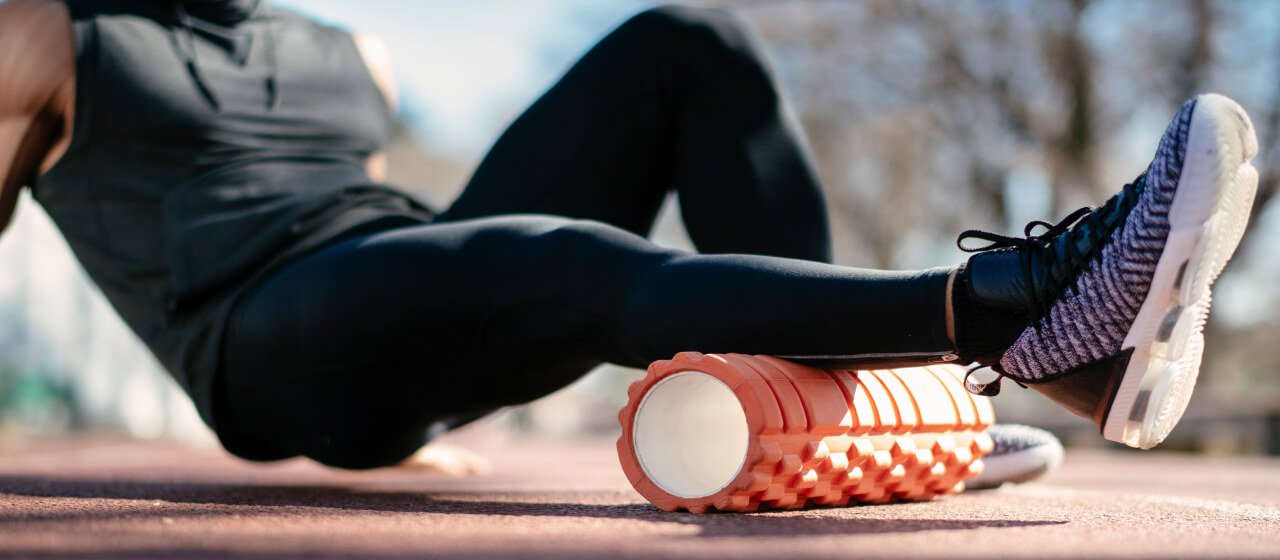
The fitness industry sells recovery as something you buy: compression boots, cryotherapy chambers, massage guns, special powders. Some of those are pleasant. Almost none of them matter as much as the free stuff. If you want to recover faster after hard workouts, here’s the actual hierarchy, ranked by evidence.
1. Sleep — Nothing Else Is Close
Sleep is when growth hormone peaks, muscles repair, and the nervous system resets. Athletes who sleep under 7 hours get injured more, perform worse, and stay sore longer — it’s the most replicated finding in sports science. One hard truth: you cannot out-supplement chronic short sleep. If you’re training hard on 5–6 hours a night, that’s your recovery problem, full stop. The National Sleep Foundation recommends 7–9 hours, and hard-training athletes often need the upper end.
2. Eat Enough (Especially Protein)
Under-fueling is the second most common recovery killer. Muscles need protein to rebuild (20–40g per meal, spread through the day) and carbs to refill glycogen — chronic low-carb plus hard training is a recipe for perpetual fatigue. And total calories matter: training hard in a big deficit means slow recovery, stalled progress, and eventually burnout or injury. If you’re always sore and always tired, eat more before you buy anything.
3. Manage training load intelligently
Recovery isn’t just what happens between workouts — it’s built into the program. Hard days should be followed by easy days or rest; stacking intense sessions back-to-back is how overtraining starts. The 10% rule (don’t increase weekly volume by more than ~10%) is simplistic but keeps most people out of trouble. Deload weeks — planned easier weeks every 4–8 weeks — aren’t laziness; they’re when adaptation consolidates.
How Do I Recover Faster After a Hard Workout? The Supporting Cast
- Active recovery: easy walking, light cycling, or swimming on rest days beats full couch lockdown — gentle movement clears metabolic waste better than stillness.
- Hydration and electrolytes: dehydration prolongs soreness and fatigue; rehydrate deliberately after sweaty sessions.
- Heat, cold, and contrast: evidence is modest and mixed. Cold immersion may reduce soreness but can blunt muscle adaptation if overused; heat feels good and may help. Use them for comfort, not as foundations.
- Massage and foam rolling: genuinely help perceived soreness and mobility; effects on actual muscle repair are smaller. Worth doing because feeling better matters.
- Compression gear: small benefits for soreness at best. Comfortable, not transformative.
The American College of Sports Medicine puts it plainly: the fundamentals (sleep, nutrition, load management) drive recovery, and modalities are secondary.
What About Supplements?
Creatine monohydrate has solid evidence for strength recovery and is cheap and safe for healthy people. Tart cherry juice shows modest benefits for soreness in some studies. Protein powder is just convenient protein. Everything else — BCAAs (useless if you eat enough protein), glutamine, most “recovery blends” — is marketing ahead of evidence. Magnesium helps if you’re deficient (many athletes are mildly), not as a magic recovery mineral.
Recovery Tools: Honest Reviews
The recovery gadget market is enormous. Here’s what’s actually worth it:
- Foam roller ($15–30): worth it. The best value in recovery — effective for soreness and mobility, lasts years, costs little. The boring winner.
- Lacrosse ball ($3): worth it. For targeted spots the roller can’t reach (glutes, upper back, feet). Absurd value.
- Massage gun ($100–300): nice, not necessary. Feels great, modest evidence. Buy if you enjoy it and can afford it; skip if budget matters — the roller does 80% of the job.
- Compression boots ($500+): luxury. Pleasant, weak evidence, absurd price. Professional athletes use them because they’re free for them.
- Cryotherapy chamber: skip. Expensive, uncomfortable, and the evidence is underwhelming compared to… a cold shower, which is free.
- Epsom salt baths: pleasant, mild. The magnesium-absorption claims are dubious, but warm baths genuinely aid relaxation and perceived recovery. Cheap enough to enjoy without believing the hype.
- Sleep tracker: useful if it changes behavior. Data you act on (going to bed earlier) is valuable; data you just admire is a toy.
Signs you’re under-recovering (overtraining red flags)
Normal soreness resolves in 48–72 hours. Worry when you see: performance declining despite consistent training, resting heart rate up 5–10 bpm for several days, persistent fatigue that sleep doesn’t fix, mood changes (irritability, apathy about training you usually love), frequent illness, sleep disruption despite being tired, and lingering soreness past 72 hours regularly. The fix isn’t a gadget — it’s a deload week (cut volume 40–60%, keep moving gently), more sleep, more food, and honest assessment of life stress (training + life stress share one recovery budget). One easy week now prevents one forced month off later. The athletes who last decades aren’t the ones who never rest — they’re the ones who rest before they’re broken.
Sleep Architecture for Athletes: The Details
Not all sleep is equal for recovery — the structure matters:
- Deep sleep (slow-wave): when growth hormone peaks and physical repair happens. Hard training days increase deep-sleep need — your body knows what it needs if you give it the hours.
- REM sleep: motor learning consolidation — skills practiced during the day get wired during REM. Learning a new lift or sport? REM is doing the homework.
- Sleep consistency beats duration tweaks: regular bed/wake times produce better sleep quality than the same hours on a shifting schedule.
- Naps: 20–30 minute naps boost afternoon performance without grogginess; 90-minute full cycles work when time allows. Napping doesn’t replace night sleep — it’s a supplement.
- Evening training: intense late workouts can delay sleep onset for some — finish hard sessions 2–3 hours before bed when possible; easy evening movement is fine.
Deload weeks and recovery blocks
Planned recovery is training, not absence of training: deload every 4–8 weeks — cut volume 40–60%, keep intensity moderate, focus on technique and mobility. Recovery weeks after competitions — the post-event crash is real; schedule easy movement, not nothing (complete rest often feels worse). Seasonal breaks — endurance athletes benefit from 2–4 easier weeks yearly; it prevents the deep fatigue that accumulates invisibly. Listen to the body, but verify: “I feel tired” on a scheduled hard day sometimes means push through (fatigue is normal in training); persistent tiredness across a week means back off (that’s the signal). The skill is distinguishing the two — and the tiebreaker is always: one extra rest day has never ruined anyone’s progress, but one ignored warning sign has ended seasons.
The Practical Takeaway
Sleep 8+ hours, eat enough protein and total calories, program easy days after hard ones, and move gently on rest days. Buy the massage gun if you enjoy it — but fix sleep and food first. Related reading: What to Eat Before and After a Workout and Should You Stretch Before or After Exercise?.
[…] Protect it briefly, move gently early, load progressively, and don’t rush the comeback. Most pulls heal in weeks with smart care — the biggest mistake is either total bed rest or pretending it didn’t happen. You might also like How to Protect Your Eyes From Too Much Screen Time and How to Recover Faster After a Hard Workout. […]