
 By admin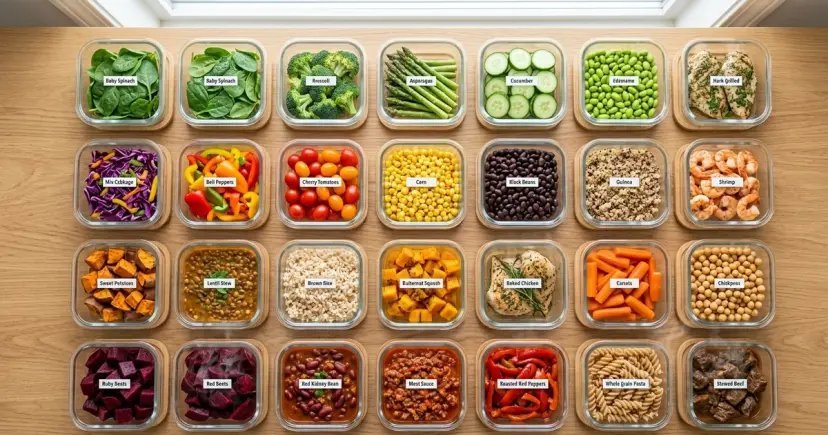
The 5pm “what’s for dinner” panic is one of modern life’s most universal miseries. It leads to expensive takeout, sad cereal dinners, and that special guilt of the rotting vegetables you bought with good intentions. If you’re asking how do I plan meals for the whole week, here’s the system that ends the panic: 20 minutes once a week, a reusable template, and a grocery list that practically writes itself.
Why Meal Planning Works (Beyond the Obvious)
Yes, it saves money — planners spend significantly less and waste far less food. But the real win is mental: eliminating dozens of weekly micro-decisions. Decision fatigue is real, and “what’s for dinner” asked seven times a week drains the same battery you need for everything else. Our grocery savings guide covers the budget side; this is the operational system that makes it automatic.
How Do I Plan Meals for the Whole Week? The 20-Minute System
Pick a consistent planning time — Sunday morning with coffee is classic. Then:
- Minutes 1-5: Inventory. Quick scan of fridge, freezer, pantry. Note what must be used soon (the wilting spinach, the chicken to defrost) and what staples you’re out of. Build 1-2 meals around the use-it-up items first.
- Minutes 5-15: Pick 5 dinners. Not seven — five. Real weeks include leftovers night, eating out or takeout, and the night everything falls apart. Planning seven dinners is planning to fail.
- Minutes 15-20: Write the grocery list by store section. Check the pantry as you go so you don’t buy your third jar of cumin.
That’s it. Twenty minutes, once a week, and dinner is solved.
Theme Nights: The Decision Eliminator
The fastest planning hack ever invented: assign each weekday a theme. Then you’re only choosing within a category, not from infinity:
- Monday: Meatless (pasta, bean chili, stir-fry, soup)
- Tuesday: Tacos/Mexican (tacos, quesadillas, burrito bowls)
- Wednesday: Chicken (roast, stir-fry, sheet pan, soup)
- Thursday: Breakfast for dinner (pancakes, frittatas, breakfast burritos — kids love this)
- Friday: Pizza or takeout night (homemade pizza is cheap and fun)
Keep a running list under each theme — your family’s proven winners. Planning becomes “pick one from each column” instead of inventing meals from scratch. New recipes get auditioned on weekends when you have bandwidth, then join the rotation if they pass the family vote.
Build Your Master Meal List
Sit down once — just once — and list every dinner your family actually likes and that you can make without stress. Aim for 20-30 meals. This becomes your planning universe: no more staring into the void wondering what to cook. Organize by effort level:
- 15-minute meals (for chaotic days): quesadillas, pasta with jarred sauce + frozen meatballs, breakfast burritos, rotisserie chicken + bagged salad.
- 30-minute meals (normal days): stir-fries, sheet-pan dinners, tacos, soups.
- Weekend projects (when you feel like cooking): lasagna, braised meats, homemade pizza, anything with leftovers potential.
Match the week’s meals to the week’s reality: soccer-practice Tuesday gets a 15-minute meal, always. This one habit prevents more takeout orders than any budget spreadsheet.
The Grocery List Template
Write your list grouped by store section — produce, meat, dairy, frozen, pantry — in your store’s actual layout order. You’ll shop in one efficient pass instead of crisscrossing. Pro moves: keep a running list on the fridge (or a shared phone note) where anyone adds items during the week; photograph your pantry staples shelf so you can check stock from the store; and never shop without the list. The USDA’s MyPlate resources offer balanced meal frameworks if you want nutritional guardrails on your planning.
Prep Day: The Multiplier
One hour of Sunday prep makes the whole week easier:
- Wash and chop vegetables for the week’s meals; store in containers.
- Cook a grain (rice, quinoa) and a protein (shredded chicken, ground turkey) for mix-and-match bowls.
- Make one dressing or sauce that improves everything.
- Portion snacks into grab-bags so the week isn’t a packaging excavation.
You don’t need full “meal prep influencer” mode — component prep (ingredients ready, not meals assembled) gives 80% of the benefit with far less Sunday labor. For protein specifically, our chicken meal-prep guide walks through a week’s worth from one cooking session.
Handling Picky Eaters
Build flexibility into the plan rather than cooking two dinners: deconstructed meals (taco bars, grain bowls, pasta with sauce on the side) let everyone assemble their own. Keep one “safe” component per meal that the picky eater will eat, and introduce new foods alongside — not instead of — familiar ones. Our easy dinners for picky eaters has a full playbook. And release the pressure: kids’ palates expand over years, not weeks.
Your First Planning Session (Today)
- Grab paper or a notes app. Write down 15 dinners your family likes.
- Assign 5 to this week using theme nights.
- Inventory the fridge; build 1 meal around what needs using.
- Write the list by store section. Shop it.
- Sunday: 30 minutes of component prep.
Tools That Make It Easier
- Shared notes app: a running grocery list the whole family can add to beats scraps of paper. Everyone adds items as they notice them.
- Meal-planning apps: Paprika, Plan to Eat, or even a simple spreadsheet — pick one and commit for a month before judging.
- The magnetic weekly menu: a dry-erase menu board on the fridge ends the “what’s for dinner?” interrogation from the whole family. Write the week’s dinners Sunday; everyone can see the plan.
- Grocery pickup/delivery: ordering from your list eliminates impulse buys entirely — the single biggest budget benefit of planning, automated.
- A printed master list: keep your 20-30 meal master list on the fridge. Planning becomes pointing, not inventing.
None of these are required — paper and pen work fine. But the right tool removes just enough friction to keep the habit alive through busy months, which is when you need it most.
Do this four weeks in a row and it becomes background habit — the 5pm panic replaced by the quiet confidence of knowing exactly what’s for dinner. That’s the whole prize, and it’s worth twenty minutes.