
 By admin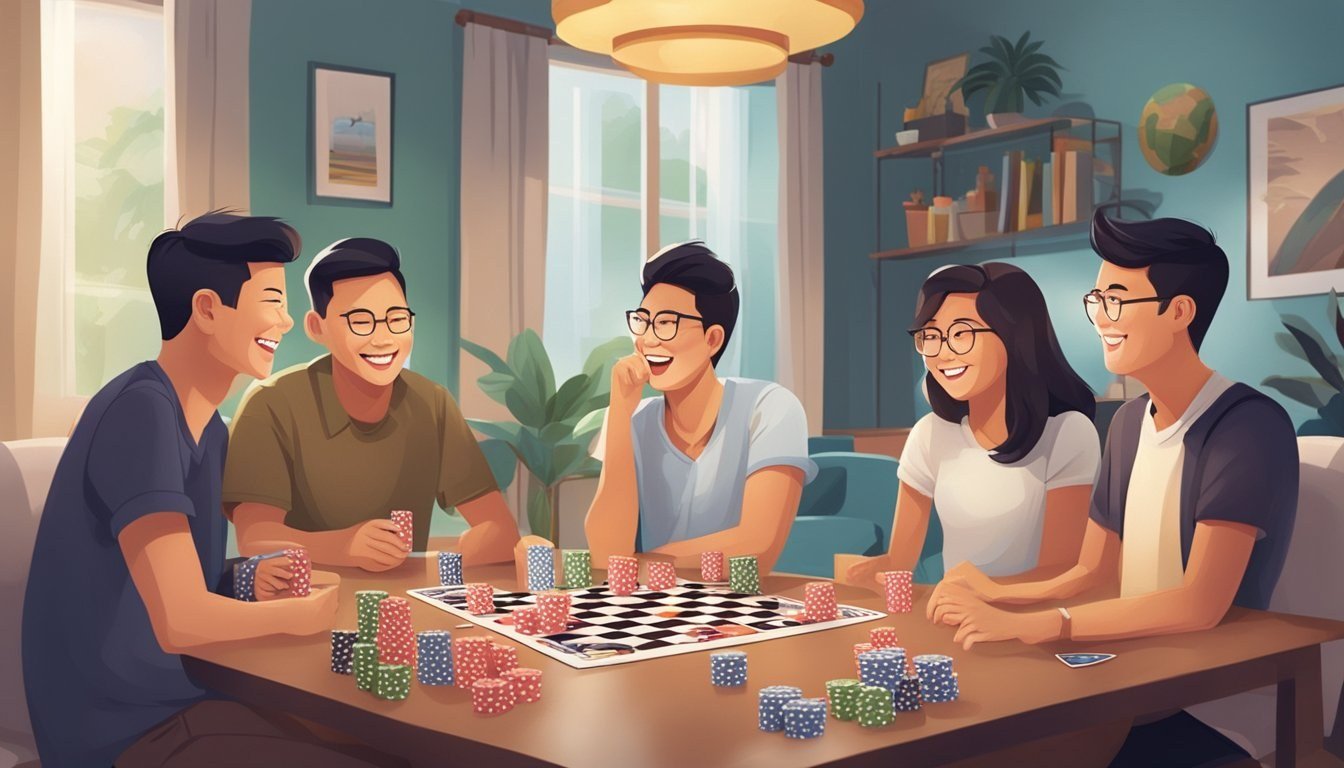
Game night sounds easy — invite people over, play a game. But anyone who’s hosted one knows the failure modes: half the guests on their phones, one hyper-competitive player ruining the vibe, a game so complicated the rules explanation takes longer than the actual play, snacks that require two hands when the game needs two hands. I’ve hosted dozens of game nights, and the difference between “that was fun” and “when are we doing this again?” comes down to hosting craft, not game choice.
Before the Night: Planning That Pays Off
- Right-size the guest list. 4-6 people is the sweet spot for most games. More than 8 and you’ll spend the night managing logistics instead of playing. Know your games’ player counts and invite accordingly — or plan party games if you’re going big.
- Send a real invitation. Date, time, address, what to bring (or not), and when it ends. “Game night Saturday 7-11, I’ll have snacks, just bring yourselves” sets expectations and gets better turnout than a vague group text.
- Pick games in advance. Have 2-3 games selected and set up before guests arrive — one opener (light, 20-30 min), one main event (45-90 min), and one backup. Choosing games with a room full of people takes forever and kills momentum. For recommendations, see board games for adults and teenagers or card games for smaller groups.
- Learn the rules beforehand. The host should know every game cold. Watch a 10-minute “how to play” video on YouTube for each game — it’s faster than reading rulebooks and you’ll teach more clearly.
- Set up the space. One clear table, enough chairs, good lighting (you need to read cards), side tables for drinks and snacks away from the game components. Spills on a $60 board game end friendships.
The First 30 Minutes: Setting the Tone
Guests arrive at different times — don’t start the main game until everyone’s there. Use the arrival window for:
- A dead-simple opener game. Something like Love Letter, Sushi Go, or even a quick card game that late arrivals can join mid-stream. It gives early arrivals something to do and late arrivals an easy on-ramp.
- Snacks out immediately. Hungry guests are cranky guests. Have food ready when the first person walks in.
- Phones in a basket. Frame it positively: “phone basket so we’re all present — I’ll put mine in first.” The host going first makes it feel communal, not controlling.
- Name tags for mixed groups. If not everyone knows each other, tags (even silly ones) break the ice faster than awkward introductions.
Teaching Games Without Losing the Room
This is the make-or-break hosting skill. Bad rules explanations are the number one game-night killer.
- The 5-minute rule. If you can’t explain the core of a game in 5 minutes, save it for another night or pre-teach it via video. Nobody retains a 20-minute lecture.
- Goal first, details later. Start with “here’s how you win,” then “here’s what you do on your turn.” Details and edge cases can wait until they come up in play.
- Play a practice round. Deal the cards, play two open-hand rounds where everyone sees everyone’s options, then reset and play for real. Learning by doing beats learning by listening, every time.
- Appoint a rules buddy. If one guest knows the game, deputize them to help teach. Two explainers are better than one lecturer.
Managing the Personalities
- The hyper-competitive player. Channel them, don’t fight them: give them the most strategic game, or make them the scorekeeper. If someone’s competitiveness is genuinely ruining others’ fun, cooperative games (everyone wins or loses together) neutralize the problem elegantly.
- The phone checker. The phone basket handles most of this. For persistent cases, choose games with minimal downtime — nobody checks their phone during Wavelength or Codenames because they’re always involved.
- The slow player (analysis paralysis). Gentle time pressure helps: “let’s keep turns to about a minute so we stay moving.” Sand timers work and feel playful rather than punitive.
- The non-gamer guest. Someone’s partner who “doesn’t really play games” needs a party game, not a strategy epic. Wavelength, Telestrations, or trivia (see family trivia questions) are perfect on-ramps. Never force a non-gamer into a heavy game — you’ll lose them for future nights.
- The sore loser / sore winner. Keep stakes low (no money, silly prizes at most), celebrate good plays by everyone, and model gracious losing yourself. The host sets the emotional tone.
Food and Drink Strategy
- One-handed foods only during games. If a game needs both hands, snacks must be poppable: pretzels, grapes, popcorn, wrapped candies. Save the wings and tacos for between games.
- Drinks away from the board. Side tables, coasters mandatory. One spilled IPA on a game board is a $50 loss and a mood killer.
- Keep it simple. A slow-cooker dip, a snack spread, and drinks cover it. You’re hosting game night, not a dinner party — don’t exhaust yourself cooking.
- Caffeine and sugar timing. For late nights, have coffee ready around 9-10 PM. The post-dinner energy dip is real; plan for it.
Ending Well
End with a light, funny game — not the heavy strategy epic. People should leave laughing, not mentally drained. Telestrations, Wavelength, or a quick card game sends everyone home happy. And end on time: “last game starts at 10:30” respects everyone’s tomorrow. Guests who leave wanting more come back; guests who leave exhausted don’t.
Host a Game Night That Everyone Enjoys: Quick Answers
How many people should I invite to game night? Four to six is the sweet spot for most games — enough for team dynamics, few enough that turns stay snappy. More than eight and you’re running an event, not a game night; plan party games accordingly.
What if guests arrive at different times? Start with a dead-simple opener game that late arrivals can join mid-stream (Love Letter, Sushi Go). Don’t start the main game until everyone’s there — starting without people breeds resentment.
How do I teach a game without boring everyone? Five-minute explanation max: how you win, what you do on your turn, then play a practice round open-handed. Details emerge during play. If the rules take longer than five minutes to explain, pick a simpler game.
What food works during board games? One-handed, non-greasy foods: pretzels, grapes, popcorn, wrapped candies. Keep drinks on side tables away from the board — one spill can destroy a $60 game and the evening’s mood.
For party game inspiration, the BBC culture section often rounds up the best new tabletop releases.
Practical Takeaway
A great game night = 4-6 guests + games picked and learned in advance + a light opener while people arrive + phones away + 5-minute rules explanations with a practice round + one-handed snacks with drinks off the table + ending on a high-energy light game. The host’s job isn’t to win — it’s to make sure everyone else has fun. Do that, and “when’s the next one?” will come before anyone’s left.