
 By admin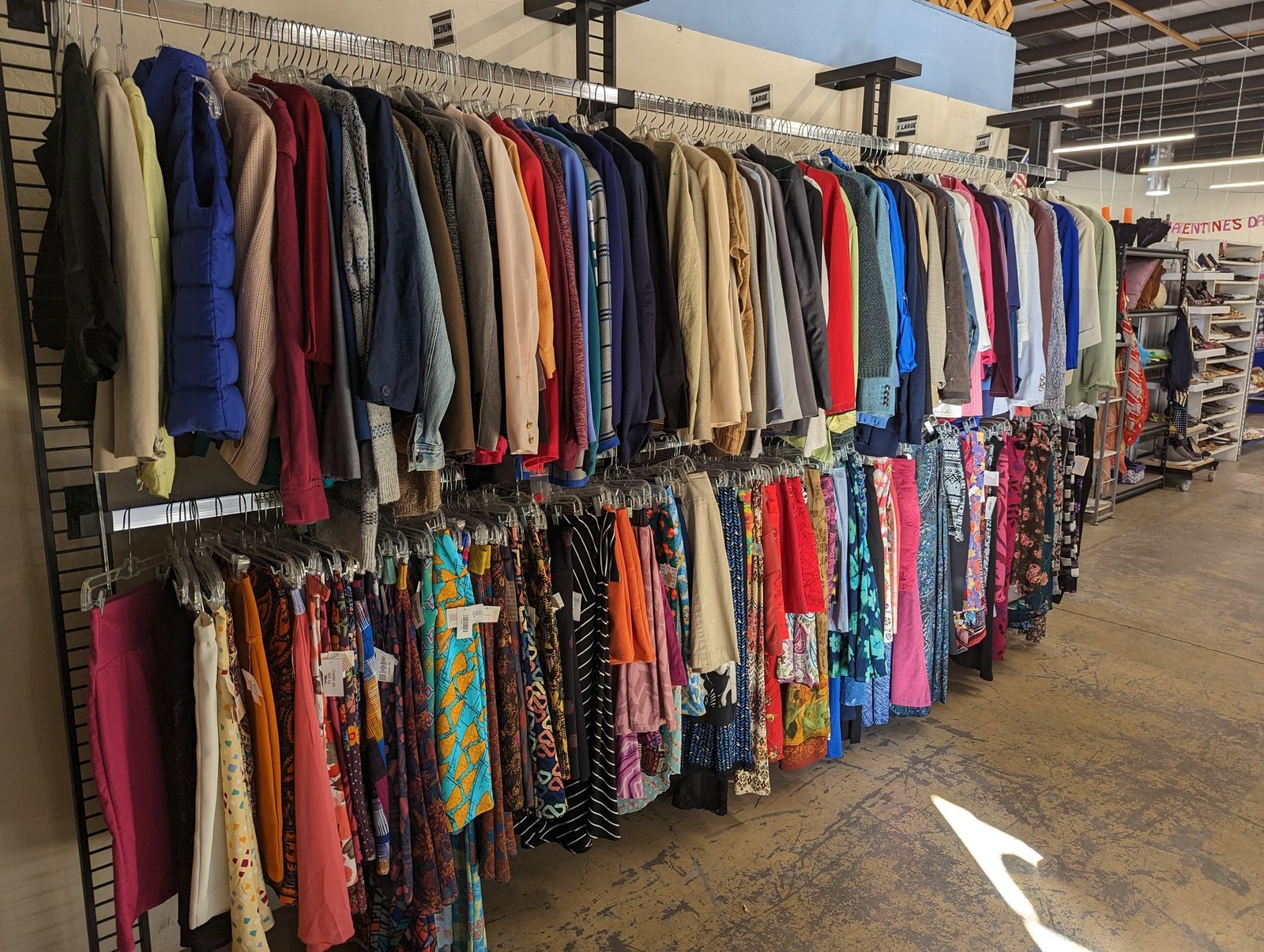
Thrift stores contain both treasures and trash, often on the same rack. The difference between a $6 wool blazer that lasts a decade and a $6 polyester blazer that looks sad after one wash comes down to knowing what to check before you buy. Here’s the inspection routine that separates the finds from the fails.
The 60-Second Quality Check
- Fabric content first. Read the label: natural fibers (wool, silk, linen, cotton) and quality blends outlast cheap synthetics. “100% polyester” isn’t automatically bad (it has its uses), but mystery “blends” with no label are a gamble.
- Seams and stitching. Flip it inside out. Tight, even stitching with finished seam edges signals quality; loose threads, puckering, and raw edges signal fast fashion. French seams or bound seams are excellent signs.
- Buttons and hardware. Spare buttons sewn inside, metal zippers that glide, real horn or shell buttons — these details cost money to make and indicate the original price point.
- Lining. A lined jacket or skirt (especially in silk or bemberg) was not cheap originally. Unlined is fine for casual pieces but lining = quality in tailored items.
- The scrunch test. Crush a handful of fabric for 10 seconds; quality fabrics bounce back, cheap ones stay wrinkled. (Linen excluded — it wrinkles by nature.)
- Check stress points. Armpits, crotch, elbows, collar, and cuffs — look for thinning, holes, stains, and deodorant marks. Hold up to light to spot thin areas.
- Smell it. Mustiness washes out; smoke, mildew, and heavy perfume often don’t. If it stinks through the store smell, walk away.
- Brand as a clue, not a rule. Quality brands (Brooks Brothers, Eileen Fisher, Pendleton, better department-store labels) are worth grabbing, but no-name garments with great fabric and construction beat famous labels with shoddy seams.
How Can I Tell If a Thrift Store Item Is Good Quality? Know What’s Fixable
Buy with confidence when the issue is: missing buttons (sew on new ones), too long (hemming is cheap), wrinkles (steam fixes everything), dull colors (fabric dye revives blacks). Walk away from: broken zippers on cheap items (replacement exceeds value), armpit stains, moth holes in visible areas, stretched-out knits, and anything where the fabric itself is degraded. A good tailor can fix fit; nobody can fix dead fabric.
Goodwill and similar stores price largely by category, not quality — which is exactly why the knowledgeable buyer wins. Learn which fabrics and construction details signal quality and you’ll consistently find $200 garments for $8. The FTC’s clothing care pages help decode the care labels you’ll be reading on every rack.
The best thrift categories
Wool blazers and coats, silk blouses, leather goods, 100% cotton button-downs, and quality denim are the highest-value thrift finds — expensive new, durable, and donated constantly. Underwear, swimwear, and heavily worn shoes are the categories to skip for obvious reasons.
Thrift Store Strategy: When, Where, and How Often
Treasure hunting rewards strategy, not just luck:
- Go often, buy rarely. Inventory turns over daily; the regulars who pop in weekly find the best pieces. Make it a 20-minute habit, not a quarterly expedition.
- Learn restock days. Many stores put out new donations on specific days — ask staff. Morning visits beat picked-over afternoons.
- Shop affluent neighborhoods. Donation quality correlates with zip code — the thrift store near the wealthy suburb gets the good castoffs.
- Check every section. The best blazer might be in the women’s section if you’re a man (or vice versa) — sizes and cuts cross over more than you’d think.
- Look beyond the obvious. The housewares section hides quality leather belts; the men’s section hides oversized blazers for women; the kids’ section occasionally has barely-worn quality shoes in small adult sizes.
- Know the discount calendar. Most chains run weekly color-tag sales (50% off certain tags) — timing purchases to sale days stretches the budget enormously.
Cleaning and rehabilitating thrift finds
Everything thrifted gets cleaned before wearing — no exceptions. Washable items: hot wash with vinegar added (deodorizes and softens). Dry-clean items: air out 48 hours first; many just need airing, not chemicals. Leather: wipe down, condition, air out — leather holds odors but releases them with patience. Shoes: replace insoles ($5–10 = essentially new shoes hygienically), disinfect interiors. The sniff test after cleaning: if smoke or mildew survives a proper wash, donate it back — some smells are permanent. But most “thrift smell” is just storage mustiness that vanishes with one good wash. The rehabilitation ritual is part of the fun — there’s genuine satisfaction in transforming a $6 find into something that looks (and smells) like new.
Online Thrifting: Poshmark, eBay, and Beyond
Digital thrifting removes the hunt but adds its own skills:
- Saved searches are everything. “Eileen Fisher sweater M,” “Brooks Brothers blazer 40R” — set alerts and let the finds come to you.
- Know your measurements. Online thrifting without measurements is gambling. Chest, waist, hips, inseam, shoulder — keep them in your phone.
- Ask for specifics. “Can you measure pit-to-pit?” Sellers expect it; good ones comply with photos.
- Check seller ratings and return policies. Poshmark and eBay protect buyers, but individual sellers vary — read the fine print.
- Bundle for deals. Most Poshmark sellers discount bundles — the polite “would you take $X for these three?” works.
- Best categories online: blazers, coats, dresses, bags — structured items where measurements predict fit. Worst: jeans and shoes (fit is too personal).
Spotting fakes online
Luxury thrifting online requires authentication awareness: too-good prices (a $200 “Chanel” bag is not Chanel), stock photos (legitimate sellers photograph the actual item), vague descriptions (“designer-inspired” = fake), missing details (no serial number photos, no hardware close-ups — ask), and seller history (established sellers with hundreds of sales vs. week-old accounts). For significant purchases, use platform authentication (eBay Authenticity Guarantee, Vestiaire Collective’s verification) or third-party services. The online thrift world is wonderful — but the anonymity that enables deals also enables fraud. Verify before you buy, especially above $100.
The Practical Takeaway
Check fabric, seams, hardware, lining, stress points, and smell — in that order. Buy fixable flaws, reject dead fabric, and learn the quality brands. The treasure is real; the inspection takes a minute. Related reading: The Best Way to Store Winter Coats and Good Gift Ideas for Someone Who Loves Fashion.
[…] Five mix-and-match tops, three bottoms, two layers, two shoe pairs — all in a carry-on. Wear the blazer on the plane, do midweek laundry, and never check a bag again. You might also like How to Remove Stains From White Shirts and How to Tell If a Thrift Store Find Is Good Quality. […]