
 By admin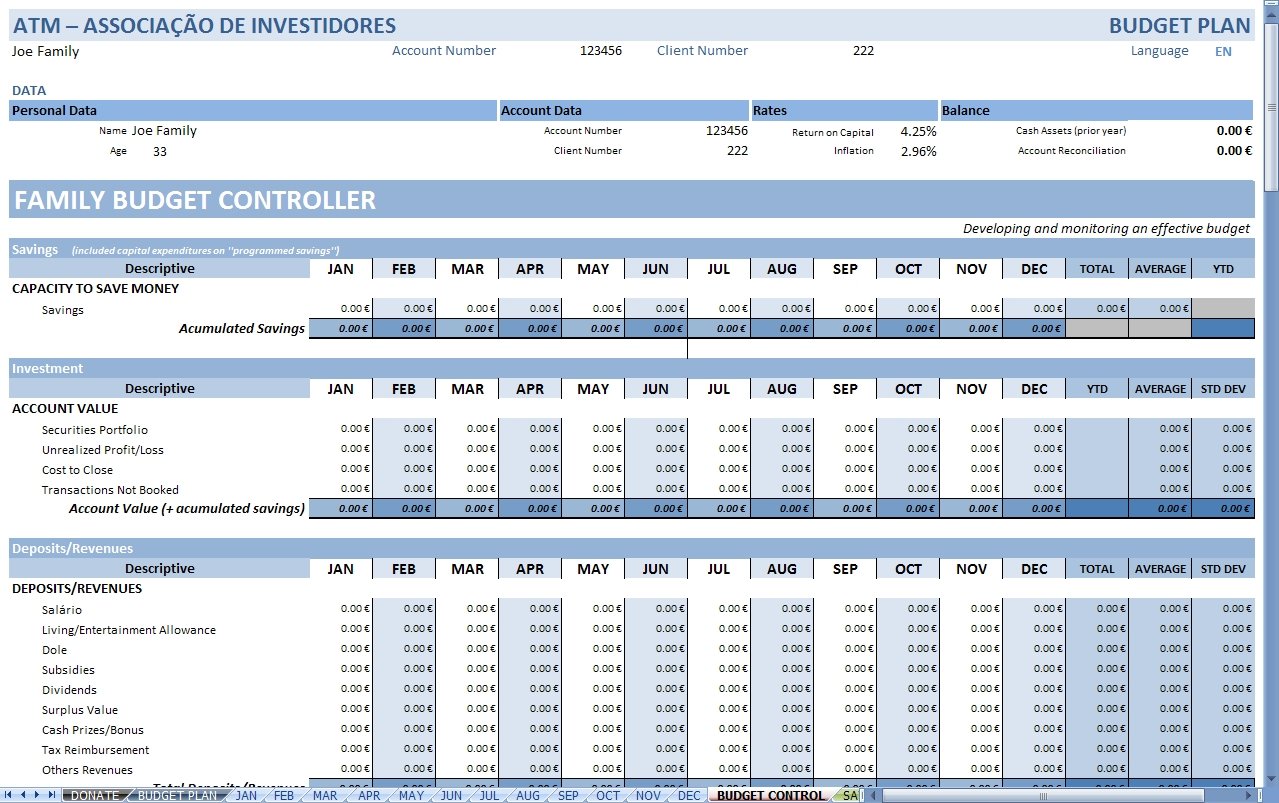
Can AI help me manage my personal budget? If budgeting apps have never quite stuck for you — downloaded enthusiastically in January, abandoned by March — you’re in good company. Traditional budgeting fails for most people not because the math is hard, but because the maintenance is tedious: categorizing transactions, updating spreadsheets, noticing patterns. That’s exactly the kind of drudgery AI excels at eliminating. Here’s how AI can make budgeting something that actually works for real life.
Can AI Help Me Manage My Personal Budget? Where It Helps Most
The biggest win is automated categorization and insight. Modern budgeting apps with AI — think Rocket Money, Monarch, YNAB’s newer features, and even your bank’s built-in tools — automatically sort your spending, flag subscriptions you forgot about, and surface patterns you’d never notice manually. “You spent $347 on food delivery last month, up 40% from your average” is the kind of observation that changes behavior. You didn’t need to log a single transaction; the AI did the tedious part and handed you the insight.
AI also shines at the conversational side of money. Instead of wrestling with spreadsheet formulas, you can ask plain questions: “How much did I spend on groceries in the last three months?” “If I cut dining out by $200 a month, how much would I save in a year?” “Can I afford a $1,800 vacation in June based on my current savings rate?” Getting answers in seconds — in language you actually understand — removes the intimidation that keeps so many people from engaging with their finances at all.
Practical Ways to Use AI for Your Money
- Find your leaks: Ask AI to analyze your spending (via a budgeting app or by uploading anonymized statements) and identify your three biggest unnecessary expenses. Everyone has leaks; AI finds them without judgment.
- Build a realistic budget: Give AI your income, fixed expenses, and goals, and ask for a monthly budget. Then refine it together — “that’s too strict on groceries, adjust” — until it fits your actual life. Unrealistic budgets fail; collaborative ones stick.
- Plan for goals: “I want to save $10,000 for a house down payment in 18 months. I take home $4,200 monthly. What’s my monthly savings target and where can I cut?” AI turns vague goals into concrete plans.
- Negotiate bills: AI can draft negotiation scripts for your cable, insurance, or phone bills — and services like Rocket Money will negotiate for you automatically. People routinely save hundreds annually here.
- Stay on track: Set up AI-powered alerts for unusual spending, upcoming bills, or when you’re trending over budget in a category. Early warnings beat month-end surprises.
- Learn as you go: Ask AI to explain financial concepts in plain language — compound interest, Roth vs. traditional IRA, what an expense ratio actually costs you. Financial literacy on demand.
What AI Can’t Do: The Discipline Part
Let’s be honest: AI can build the perfect budget, but it can’t stop you from ordering takeout at midnight. The behavioral side of money — impulse control, lifestyle inflation, emotional spending — remains stubbornly human. AI helps most when it reduces friction (automatic tracking) and increases awareness (spending insights), but the decisions are still yours. Pair AI tools with one behavioral guardrail that works for you: a 24-hour rule on non-essential purchases, automatic transfers to savings on payday, or a simple weekly money check-in. Tools amplify discipline; they don’t replace it.
Also, keep AI in its lane. It’s great for budgeting, spending analysis, and financial education. It’s not a licensed financial advisor — don’t let it pick your investments or make major financial decisions without human professional input. And be careful with data: budgeting apps see your entire financial life, so choose reputable providers and understand their privacy policies. Our guide on sharing personal information with AI chatbots covers the caution side.
The $100 Challenge: Finding It With AI
Here’s a weekend exercise that makes AI budgeting concrete: find $100/month in your spending without reducing your quality of life. Connect your accounts to an AI budgeting app (or upload three months of statements to a chatbot, anonymized) and ask: “Identify recurring charges I’ve forgotten about, subscriptions I barely use, and my three most wasteful spending categories.”
Almost everyone finds the same culprits. Forgotten subscriptions — the streaming service you haven’t opened in months, the app trial that converted to paid, the gym membership from January. Duplicate services — two music subscriptions, cloud storage you don’t need. The “convenience tax” — food delivery fees that quietly total $200+/month, ride-shares for trips you could walk. And the zombie recurring charges — the $9.99/month somethings that individually seem trivial and collectively bleed you.
Cancel ruthlessly, then redirect: set up an automatic $100/month transfer to savings on payday — before you can spend it. That’s $1,200 a year from money you weren’t enjoying anyway. The exercise teaches the deeper lesson: budgeting isn’t about deprivation, it’s about attention. Most waste isn’t joyful spending; it’s inattentive spending. AI’s real gift to personal finance isn’t sophisticated analysis — it’s making the invisible visible, so your money goes where your values are instead of leaking through a thousand tiny cracks you never noticed.
Getting Started This Weekend
Here’s the simple setup: pick one AI-powered budgeting app (your bank’s app may already qualify — check before downloading something new), connect your accounts, and let it categorize a month of history. Then spend 30 minutes with an AI assistant reviewing the results: where’s the money going, what surprises you, what would you change? Set two or three specific goals and automate what you can — savings transfers, bill alerts, subscription monitoring. That’s it. You’ve built a budgeting system that maintains itself.
The Consumer Financial Protection Bureau’s money management resources are an excellent complement — authoritative, unbiased guidance to pair with your AI-assisted tracking. And if money stress is part of a bigger picture, our article on reducing stress without medication addresses the anxiety side that budgets alone can’t fix. The goal was never a perfect spreadsheet — it’s financial peace of mind. AI just made that goal more reachable than ever.