
 By admin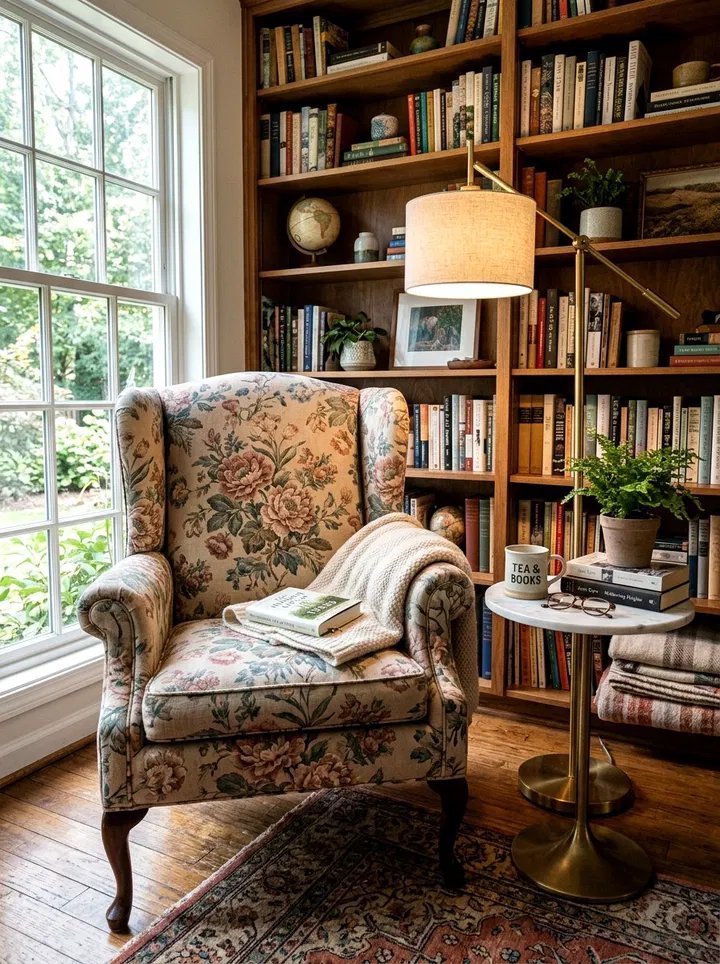
Every reader dreams of the perfect reading spot — and most assume it requires a spare room, a bay window, or square footage they don’t have. Not true. Some of the coziest reading nooks I’ve seen were carved from closet corners, hallway ends, and the dead space beside a bed. If you’re wondering how do I create a cozy reading nook in a small space, you need about nine square feet, decent light, and something comfortable to sit on. Everything else is bonus.
Find Your Spot: The Best Small-Space Locations
- The bedroom corner. The classic. Even 3×3 feet beside a window works — and it doubles as a wind-down zone that improves sleep (see our bedroom sleep guide).
- Window alcoves. A deep windowsill plus cushions becomes a window seat. Add a throw and it’s instantly the best seat in the house.
- Closet conversion. Remove the doors from an underused closet, add a cushion bench or chair, string lights — a magical hideaway for under $50.
- The living room corner. Angle a chair into an unused corner with a floor lamp behind it. Corners feel naturally cocoon-like.
- Under the stairs. Harry-Potter vibes, but make it cozy: cushions, a rug, warm lighting. Kids and adults both love these.
- Balcony or porch corner. Weather permitting, outdoor nooks are unbeatable — fresh air plus a good book is hard to top.
The Chair: Comfort Is Non-Negotiable
This is the one place to prioritize comfort over looks. The best reading chair supports your back, lets your feet tuck up, and invites long sessions. Options by budget:
- $0: floor cushions and pillows piled against the wall — genuinely comfortable for an hour.
- Under $50: thrifted armchair (the best reading chairs are all secondhand), a papasan-style floor chair, or a large beanbag.
- $50-150: a new accent chair on sale, or a hanging hammock chair if you have a sturdy ceiling anchor.
Test the sit before committing: can you curl sideways? Do your feet reach something? Is the seat deep enough for a blanket? A beautiful chair you avoid sitting in is just decor.
How Do I Create a Cozy Reading Nook in a Small Space? Layer Light and Texture
Overhead lighting kills coziness. Your nook needs its own warm light source — a clip-on book light ($12), a small table lamp with a warm bulb, or string lights draped nearby. Warm white (2700K) only; cool white belongs in offices.
Then layer texture: a throw blanket within arm’s reach, a small pillow for lumbar support, a rug or sheepskin underfoot if the floor is hard. These tactile layers are what make a corner feel like a nook rather than just a chair in a corner. Our broader guide to making your apartment cozier on a budget has more layering tricks that apply perfectly here.
The Practical Details
- A side table or shelf for tea, coffee, and the current book. A $10 folding tray table works; a wall-mounted shelf saves floor space.
- Book storage nearby. A small stack, a wall shelf, or a basket for the current rotation. The nook should invite browsing.
- A blanket basket. One step beyond the draped throw — a basket with two throws signals permanent coziness.
- Sound control. If the nook is in a busy area, keep earbuds or a small speaker nearby for rain sounds or lo-fi.
- Phone parking. A small dish or spot where the phone lives during reading time. Protect the ritual.
Small-Space Tricks That Double the Coziness
- Define the zone with a rug. Even a 3×5 rug visually carves “nook” out of “corner of bedroom.”
- Go vertical. Wall-mounted shelves for books, a hanging plant, art at eye level — vertical interest makes tiny nooks feel intentional, not cramped.
- Use a curtain. A tension rod and curtain panel can section off a nook in a shared room — privacy without construction.
- Mirror magic. A small mirror opposite the light source bounces warmth around and makes the nook feel bigger.
- Keep it dedicated. The nook works because your brain associates it with reading. Don’t let it become the laundry folding station.
Reading Nooks for Kids
Kids’ nooks follow the same principles, scaled down — and they’re magical for building reading habits:
- The tent nook: a pop-up play tent or blanket fort with cushions inside. Every kid on earth finds this irresistible.
- The closet library: clear a low closet shelf, add cushions, and line up picture books at kid height. Their own tiny library.
- The bed canopy: a $15 canopy hung over the bed corner creates a defined reading zone in a shared room.
- Beanbag + book basket: the simplest version — a beanbag in a quiet corner with a basket of rotating books. Refresh the basket monthly from the library to keep it exciting.
The key with kids: let them help build it. Choosing the cushions, arranging the books, naming it (“the reading cave”) creates ownership — and ownership creates use. A nook they built is a nook they’ll actually read in, which is the entire point. Pair it with a consistent reading ritual (20 minutes before bed works wonders) and you’re building a lifelong reader one cozy corner at a time.
A nook is only as good as the reading habit it supports. If you’re rebuilding a reading life from scratch, start with books you can’t put down — thrillers, memoirs, whatever pulls you — rather than books you think you should read. The American Library Association’s reading resources and your local librarian (a free, underused concierge for readers) can match you with your next obsession in minutes. Twenty pages a night in your nook becomes 30 books a year — the nook isn’t furniture, it’s a reading habit with walls.
The $75 Nook (Shopping List)
- Thrifted armchair — $30
- Clip-on warm book light — $12
- Throw blanket (sale) — $15
- Small side table or tray — $10
- Basket for books/blankets — $8
One weekend afternoon, under $75, and you’ll have a spot that draws you in every evening. The best reading nook isn’t the most beautiful one — it’s the one you actually use. Build it for comfort, protect it with a ritual (tea, phone away, 30 minutes), and watch your reading life transform.