
 By admin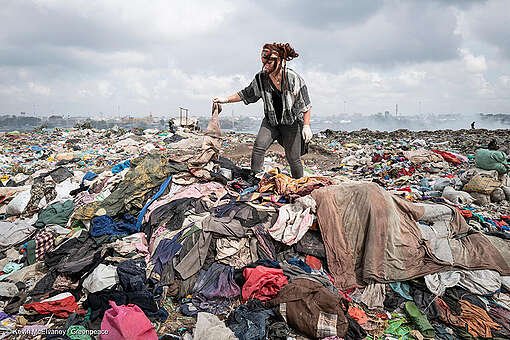
Fast fashion takes a lot of heat — “the second most polluting industry in the world” gets repeated everywhere. Some of the viral statistics are exaggerated, but the core story holds up: the current model of ultra-cheap, ultra-fast clothing has serious environmental costs. Here’s what the data actually says, without the hype in either direction.
The Real Numbers
- Textile waste: Americans throw away about 81 pounds of clothing per person per year, and the EPA reports textiles are a growing share of landfill waste. Most donated clothes don’t get reworn — the resale market is saturated.
- Water: conventional cotton is extremely thirsty (thousands of liters per kilogram), and textile dyeing pollutes waterways in manufacturing regions with minimal regulation.
- Emissions: the UN Environment Programme estimates fashion accounts for a significant share of global carbon emissions (estimates range 2–8% depending on methodology) — aviation-scale, driven by production volumes and shipping.
- Microplastics: synthetic fabrics (polyester, nylon, acrylic) shed microfibers in every wash — a major source of ocean microplastic pollution.
- The speed problem: the core issue isn’t just materials; it’s volume. When clothes are designed to be worn a few times and discarded, even “better” materials can’t fix the math.
About that “second most polluting” claim
It’s widely repeated and poorly sourced — fashion’s exact ranking depends on what’s counted and how. The honest version: fashion is among the most polluting industries, with enormous water, waste, and emissions footprints. You don’t need a dramatic ranking for the problem to be real.
Is Fast Fashion Really That Bad for the Environment? What Actually Helps
Ranked by impact:
- Buy less, keep longer. Extending a garment’s life by just 9 months cuts its footprint ~30%. This dwarfs every other action.
- Buy secondhand. The most sustainable garment is the one already made. Thrift, consignment, resale — every reworn item displaces a new one.
- Choose better fabrics when buying new. Natural fibers, recycled synthetics, and certified standards (GOTS, OEKO-TEX) over virgin polyester.
- Wash cold, wash less, use a microfiber filter. Cuts energy and microplastic shedding significantly.
- Repair and alter. A $15 repair beats a new purchase environmentally every time.
- Be skeptical of “conscious collections.” Greenwashing is rampant; a fast-fashion brand’s sustainable line doesn’t offset its core model. Look for third-party certifications, not marketing.
The Nuance Nobody Mentions
Fast fashion also democratized style and provides affordable clothing for low-income families — “just buy $200 sustainable basics” is privilege talking. The realistic ask isn’t purity; it’s mindfulness: fewer, better-chosen purchases, longer wear, secondhand first. And systemic change (regulation, brand accountability) matters more than individual guilt — but individual choices still aggregate.
The Brands Question: Who’s Actually Doing Better?
Not all fashion is equal — the spectrum from worst to best:
- Ultra-fast fashion (Shein, Temu fashion): the extreme end — thousands of new styles daily, rock-bottom prices, minimal transparency. The highest volume, lowest accountability.
- Fast fashion (H&M, Zara, Forever 21): better than ultra-fast but the same fundamental model — high volume, short lifespans. Their “conscious” lines are marginal against the core business.
- Mid-range high street: variable — some investing in better materials and supply chain transparency, others coasting on marketing.
- B Corp / certified brands (Patagonia, Eileen Fisher, Reformation): third-party verified standards on labor and environment. Pricier, genuinely different model.
- Secondhand/resale: the lowest-impact way to acquire clothing, period — regardless of the original brand.
Certifications worth trusting: GOTS (organic textiles), OEKO-TEX (tested for harmful substances), B Corp (overall accountability), Fair Trade Certified (labor). Marketing words worth ignoring: “eco,” “conscious,” “green,” “sustainable” — without certification, these are unregulated claims.
Talking about this without the guilt spiral
Environmental messaging around fashion often lands as shame — and shame doesn’t change behavior, it just makes people defensive. The healthier framing: progress over purity (every longer-worn garment counts), systems over willpower (make the sustainable choice the easy choice — thrift store on your route, repair kit in the drawer), no judgment of others’ choices (you don’t know anyone’s budget or constraints), and vote with attention (support the brands doing it right, loudly — companies respond to customers, not guilt). The goal isn’t a perfect wardrobe; it’s a wardrobe that’s better than last year’s, trending in the right direction. That’s achievable, sustainable (pun intended), and honestly more impactful than a month of perfect behavior followed by burnout.
Building a Sustainable Wardrobe Step by Step
Overwhelmed? Here is the phased approach:
- Phase 1 (this month): stop the bleeding — institute a 30-day wishlist rule for all non-essential purchases. Wear what you own.
- Phase 2 (months 2-3): learn your style — the audit, the uniform formulas, the palette. Knowledge before purchases.
- Phase 3 (ongoing): thrift-first habit — check secondhand before buying new, every time. Make it the default, not the exception.
- Phase 4 (ongoing): buy better when buying new — certified fabrics, quality construction, brands with real accountability.
- Phase 5 (always): maintain and repair — the care routine, the tailor relationship, the mend-don’t-replace habit.
The secondhand-first shopping method
Make thrift the default with a system: keep a running “needs” list on your phone — check it at every thrift visit. Set price anchors (know what the item costs new so you recognize real deals). Learn your best sources (which stores, which days, which online saved searches). Be patient — the thrift find for a specific need takes weeks, not minutes; the wishlist rule and the thrift habit work together. Celebrate the wins — the $8 wool blazer, the perfect jeans for $6. The sustainable wardrobe is not built in a shopping spree — it is assembled over time, piece by piece, each one chosen deliberately. That slowness is the point: every deliberate choice is a fast-fashion impulse purchase that did not happen.
Starting today: three immediate actions
Do not wait for a wardrobe overhaul. Today: 1. Put one fast-fashion site’s app in a folder off your home screen — friction reduces impulse buys. 2. Pull three unworn items from your closet and list or donate them — feel the relief. 3. Write down your three most-worn outfit formulas — that is your real style; build from it. Small actions, taken today, beat the perfect sustainable wardrobe plan you start “someday.” The most sustainable garment is the one you already own and actually wear.
The Practical Takeaway
Yes, it’s genuinely bad — the waste, water, and emissions data is solid. Your highest-impact moves: buy less, wear longer, thrift first, and wash cold. Perfection not required. Keep exploring: Good Gift Ideas for Someone Who Loves Fashion and How to Dress Up Jeans for a Nice Dinner.