
 By admin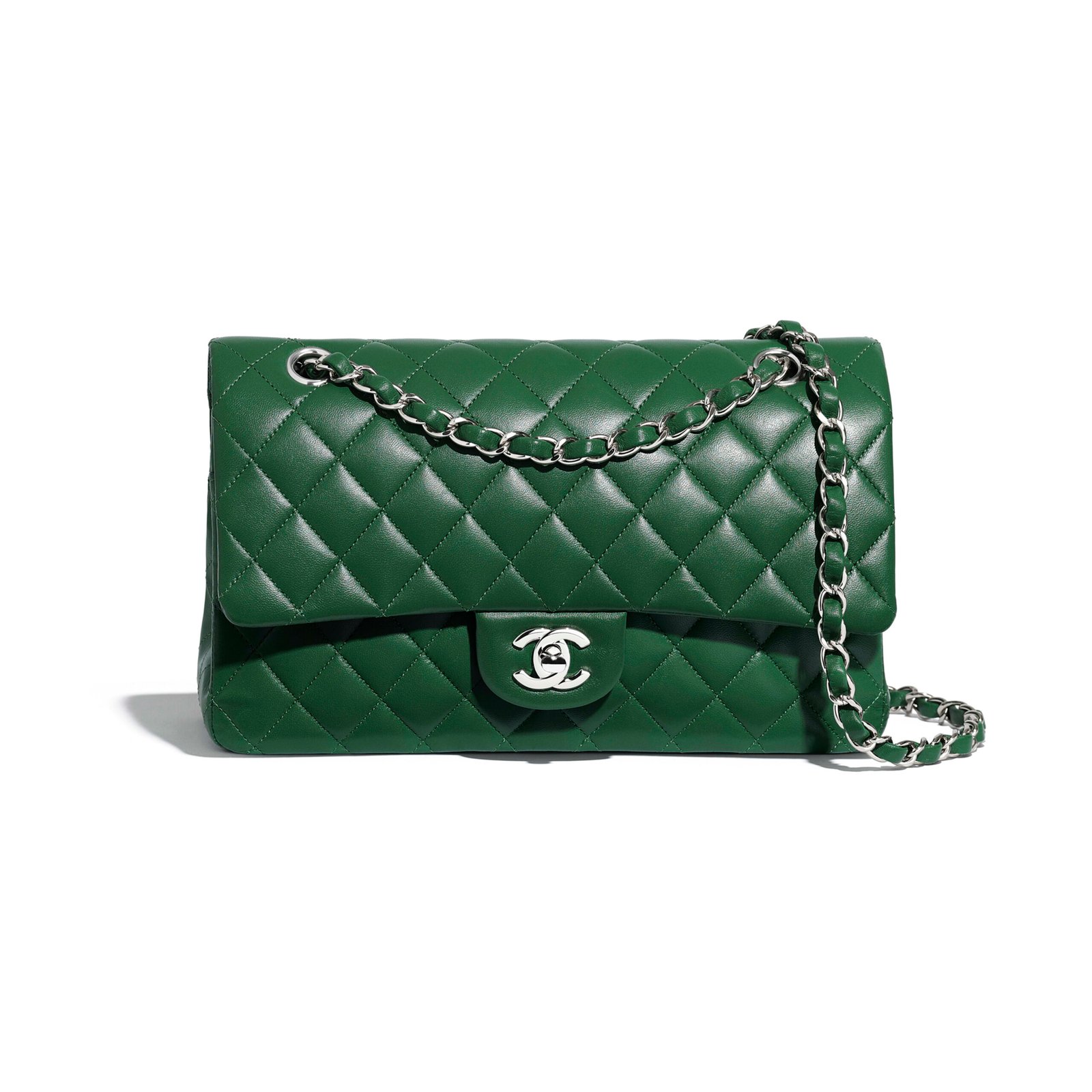
A new Chanel flap bag now costs more than a used car. Meanwhile, the same bag in excellent condition sells secondhand for 30–50% less. The math is compelling — but so are the risks: fakes are frighteningly good now, condition varies wildly, and not every “investment piece” holds value. Here’s the honest breakdown.
When Secondhand Designer Is Worth It
- Classic styles from heritage brands. Louis Vuitton Speedy and Neverfull, Chanel Classic Flap, Hermès Kelly/Evelyne, Gucci Marmont — icons with decades of demand hold value best and are easiest to resell.
- “Excellent” or “pristine” condition. The price gap between grades is smaller than the satisfaction gap. A bag you love carrying beats a bargain you resent.
- You’ve done the retail comparison. Check current retail (prices rise yearly — a 2019 bag at 40% off 2019 retail might be 55% off today’s retail).
- You’re buying to use, not flip. Treat resale value as a bonus, not the plan. Markets shift; buy the bag you’d keep.
Is It Worth Buying Designer Bags Secondhand? The Authentication Problem
Counterfeits have entered the scary-good era — superfakes fool even experienced buyers on photos alone. Your defenses, in order of reliability:
- Buy from established resellers with in-house authentication — The RealReal and Fashionphile employ professional authenticators and offer returns. Their prices run higher than peer-to-peer, and that’s the authentication premium.
- Independent authentication services (Authenticate First, ProAuthenticators) will verify a listing’s photos for a small fee before you buy from eBay or Vestiaire Collective.
- Know the brand’s tells — date codes/serial formats, hardware weight and engraving, stitching count, heat stamps. Research the specific bag, not just the brand.
- Red flags: prices far below market, stock photos instead of actual item photos, sellers who won’t provide specific detail shots, “inspired by” language, no returns.
The brands that hold value (and those that don’t)
Hermès, Chanel, and Louis Vuitton historically retain the most value; Gucci and Prada are more trend-sensitive. Contemporary designers (Coach, Kate Spade, Michael Kors) depreciate steeply — great if you’re buying to use (huge discounts!), terrible as “investments.” Trendy micro-bags and loud seasonal pieces lose value fastest regardless of brand.
Total Cost Reality Check
Factor in: authentication fees, potential restoration (leather cleaning, hardware polishing, vachetta treatment — $50–200 at a leather specialist), and the fact that exotic skins and light colors show wear fastest. A $1,500 secondhand bag needing $200 of restoration isn’t the deal it appeared to be. Conversely, a well-kept classic at 40% off retail that you’ll carry for a decade is genuinely one of fashion’s smarter purchases.
Caring for Your Secondhand Designer Bag
Pre-owned bags often need a little love to look their best:
- Leather cleaning: wipe with a damp cloth, then condition with a quality leather conditioner. This alone transforms most bags.
- Vachetta (untreated Louis Vuitton leather): patina is normal and desirable — even, honey-colored patina adds character. Prevent water spots (they darken permanently); embrace the aging.
- Hardware polishing: metal polish on a soft cloth restores shine to clasps and chains. Gentle — you’re polishing, not sanding.
- Interior refresh: empty completely, shake out, wipe with a damp cloth, air out. Organizers/inserts protect the lining going forward.
- Corner wear: the most common pre-owned flaw — leather conditioner minimizes it; a leather specialist can touch up color.
- Storage: stuffed with tissue or a pillow insert, in the dust bag, standing upright — never hanging by the handles (it stretches them).
The investment question, honestly answered
“Designer bags as investments” is mostly marketing — but with caveats. True investment-grade: Hermès Kelly/Birkin (bought at retail, which is itself the hard part), Chanel Classic Flap in caviar leather (discontinued sizes/colors appreciate). Holds value well: Louis Vuitton canvas classics, Chanel 19/WOC, Lady Dior. Depreciates: trendy seasonal pieces, contemporary designers, anything heavily logo’d from a moment that passed. The honest math: buy the bag you’ll carry for a decade, and resale value is a bonus — not a strategy. A $2,000 bag carried 500 times costs $4/wear; a $200 bag carried 5 times costs $40/wear. Cost-per-wear is the real investment metric, and on that measure, the pre-owned classic you love is unbeatable.
Where to Buy Secondhand Designer: Platform Comparison
- The RealReal: authenticated, huge selection, condition-graded — prices higher than peer-to-peer (the authentication premium), frequent sales.
- Fashionphile: buy/sell specialist, strong authentication, good for current-season bags. Excellent sell-back program.
- Vestiaire Collective: peer-to-peer with verification — better prices, slower process, variable seller quality.
- eBay: the wild west with the best deals — use Authenticity Guarantee (for eligible items), check seller history obsessively.
- Local consignment: see and touch before buying — the underrated option. Build relationships; consignors call regulars about new arrivals.
- Estate sales/auctions: the treasure hunts — remarkable finds, zero authentication. Know your stuff or bring someone who does.
Selling your own bags: the flip side
The resale market works both ways: keep everything (dust bag, box, receipt, authenticity cards — completeness adds 10–20% to resale), maintain condition (the care routine above isn’t just for carrying — it’s for resale value), time the market (sell trendy pieces while they’re hot; classics hold value indefinitely), photograph well (natural light, all angles, flaws disclosed — honest listings sell faster), and choose the platform by value (consignment for convenience, direct sale for maximum return, trade-in for speed). The pre-owned luxury market is efficient enough now that buying well means selling well later — the bag you carry for three years and resell for 70% of purchase price cost you less than a new mid-range bag. That’s the real luxury economics.
Negotiating and timing your purchase
Pre-owned luxury prices are not always fixed. On peer-to-peer platforms, polite offers 10 to 15 percent below asking are normal and often accepted — especially on listings that have sat for weeks. On consignment sites, watch for their regular sales events, when authenticated pieces drop another 10 to 20 percent. End-of-season and post-holiday periods flood the market with listings, which softens prices. Patience is a legitimate buying strategy: save the search, watch the price, and strike when the right bag in the right condition hits your number.
The Practical Takeaway
Yes — for classic styles from heritage brands, in excellent condition, bought from authenticated sources. Authenticate everything, budget for possible restoration, and buy to carry, not to flip. Keep exploring: How to Layer for Cold Weather Without Looking Bulky and How to Remove Stains From White Shirts.