
 By admin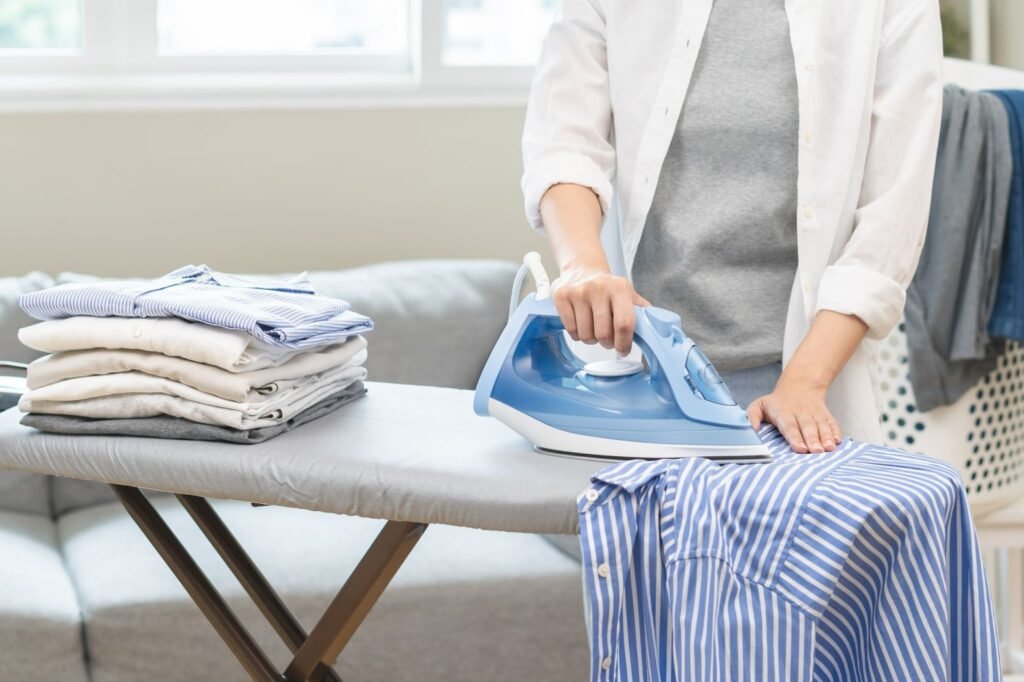
Before you replace that tired sweater or those faded black jeans, consider: most “worn out” clothes aren’t worn out — they’re just pilled, wrinkled, stained, or dull. An hour of revival work can make a surprising amount of your closet look new again, for the cost of a few basic tools. Here’s the full restoration playbook.
De-pill Everything
Pilling — those little fabric balls — is the number one thing making clothes look old, and it’s the easiest to fix. A $10–15 electric fabric shaver glides over sweaters, tees, and trousers and makes them look genuinely new in minutes. It’s the highest-ROI garment tool you can own. For delicate knits, a manual sweater comb is gentler. Do this before deciding anything is done for — I’ve “saved” sweaters I was about to donate and worn them for two more years.
How Can I Make Old Clothes Look New Again? The Revival Checklist
- Steam or press. Wrinkles read as “old and tired” more than almost anything. A handheld steamer ($25–30) relaxes wrinkles, refreshes fibers, and kills odors — it’s faster than ironing and safer on delicates.
- Dye faded blacks and darks. Black jeans and tees fade to sad gray; a $4 box of fabric dye in the washing machine brings them back to deep black. It takes 30 minutes of actual effort and works shockingly well.
- Whiten yellowed whites. Soak in oxygen bleach (not chlorine) overnight, then wash hot. Sun-drying adds natural bleaching power.
- Fix the small stuff. Sew loose buttons, close small seam splits, re-hem drooping hems. A $5 sewing kit handles 90% of garment repairs; YouTube teaches each fix in under 10 minutes.
- Polish and clean shoes. Shoes anchor every outfit — clean the soles, polish the leather, replace laces ($3 transforms sneakers). People judge outfit condition by shoes first.
- Remove odors properly. A vinegar soak or baking soda treatment beats masking with fragrance; for musty thrift finds, it’s transformative.
Know when to let go
Some things are done: elastic that’s fully shot, armpit stains that survived oxygen bleach, thinning fabric, broken zippers on cheap garments (replacement often costs more than the item). The FTC’s clothing care guidance covers reading care labels properly — half of premature garment death is just wrong washing. And genuinely finished clothes can be textile-recycled rather than trashed; Goodwill accepts worn-out textiles for recycling in many areas.
Prevent the Next Round of Aging
Wash cold, inside out, and less often — jeans and sweaters rarely need every-wear washing. Hang dry knits and anything with elastic; dryers are garment killers. Fold heavy sweaters instead of hanging (hangers stretch the shoulders into sad points). Store with cedar or lavender against moths. These habits double garment life, which means this revival session gets rarer over time.
Closet Revival: The Seasonal Reset Routine
Do this twice a year and your wardrobe maintains itself:
- Pull everything out. Yes, everything. The shock of seeing it all is the point.
- Try on the question marks. Anything you haven’t worn in 6 months gets tried on now — decide: wear, tailor, or donate.
- De-pill and repair batch. One movie-length session with the fabric shaver and a needle: fix buttons, close seams, de-pill every knit.
- Steam everything going back in. It all goes back fresh — you’ll actually wear it.
- Photograph outfit formulas. Snap your 10 best combinations and save them in a phone album. Future rushed mornings: solved.
- List the real gaps. Not wants — gaps. “Black ankle boots, worn out” is a gap; “cute top” is a want. Shop the gaps thrift-first.
Teaching kids (or partners) the revival habit
Wardrobe maintenance is a learnable skill, not a personality trait. For kids: make it a game (fashion show of the “maybe” pile), teach basic sewing as a life skill (buttons by age 8, hems by teens), and model the behavior — kids who see parents repairing clothes learn that clothes are investments, not disposables. For reluctant partners: frame it as money (tailoring a $200 suit beats buying a new one), do the easy wins visibly (de-pilled sweater reveals are genuinely satisfying), and don’t nag — just maintain your own stuff well and let the results speak. The household that maintains clothes together spends less, wastes less, and — oddly — everyone looks better. It’s one of those rare habits that’s simultaneously frugal, sustainable, and stylish.
The Science of Why Clothes Look Old
Understanding the mechanisms helps you fight them:
- Pilling: friction loosens short fibers that tangle into balls — worse with cheap short-staple fibers and friction zones (thighs, underarms). De-pilling removes the symptom; buying longer-staple fabrics prevents it.
- Fading: UV light, hot water, and harsh detergents break down dyes — wash cold, inside out, dry in shade.
- Stretching out: elastane degrades with heat (dryers!) and time — air-dry stretch garments, replace when the recovery’s gone.
- Yellowing: body oils, antiperspirant, and storage oxidize over time — wash before storing, use oxygen bleach periodically.
- Thinning: abrasion literally wears fibers away — rotate garments, reduce friction (a slip under a skirt, for example).
Building a wardrobe that ages well
Some clothes are designed to age gracefully — buy those: natural fibers (wool, linen, silk develop patina; polyester just looks tired), quality construction (tight weaves, finished seams — they physically last longer), dark and rich colors (hide wear better than pastels), classic styles (a 10-year-old blazer in a classic cut looks intentional; a 10-year-old trendy top looks dated), and repairable design (real buttons, standard zippers, simple construction — the repairable outlives the disposable). The wardrobe that looks new for years isn’t maintained by magic — it’s selected for longevity from the start, then maintained with the revival techniques above. Buy once, maintain well, replace rarely: the entire philosophy in nine words.
The Practical Takeaway
De-pill, steam, dye the faded blacks, fix small repairs, and polish the shoes — most “old” clothes just need an hour of attention. Wash gentler going forward and you’ll buy replacements half as often. Related reading: How to Make a Simple Outfit Look More Put Together and How to Look Stylish Without Spending a Lot of Money.
[…] hair. Master the checklist and simple outfits will never look simple again. Related reading: How to Make Old Clothes Look New Again and How to Organize a Small Closet to Fit […]