
 By admin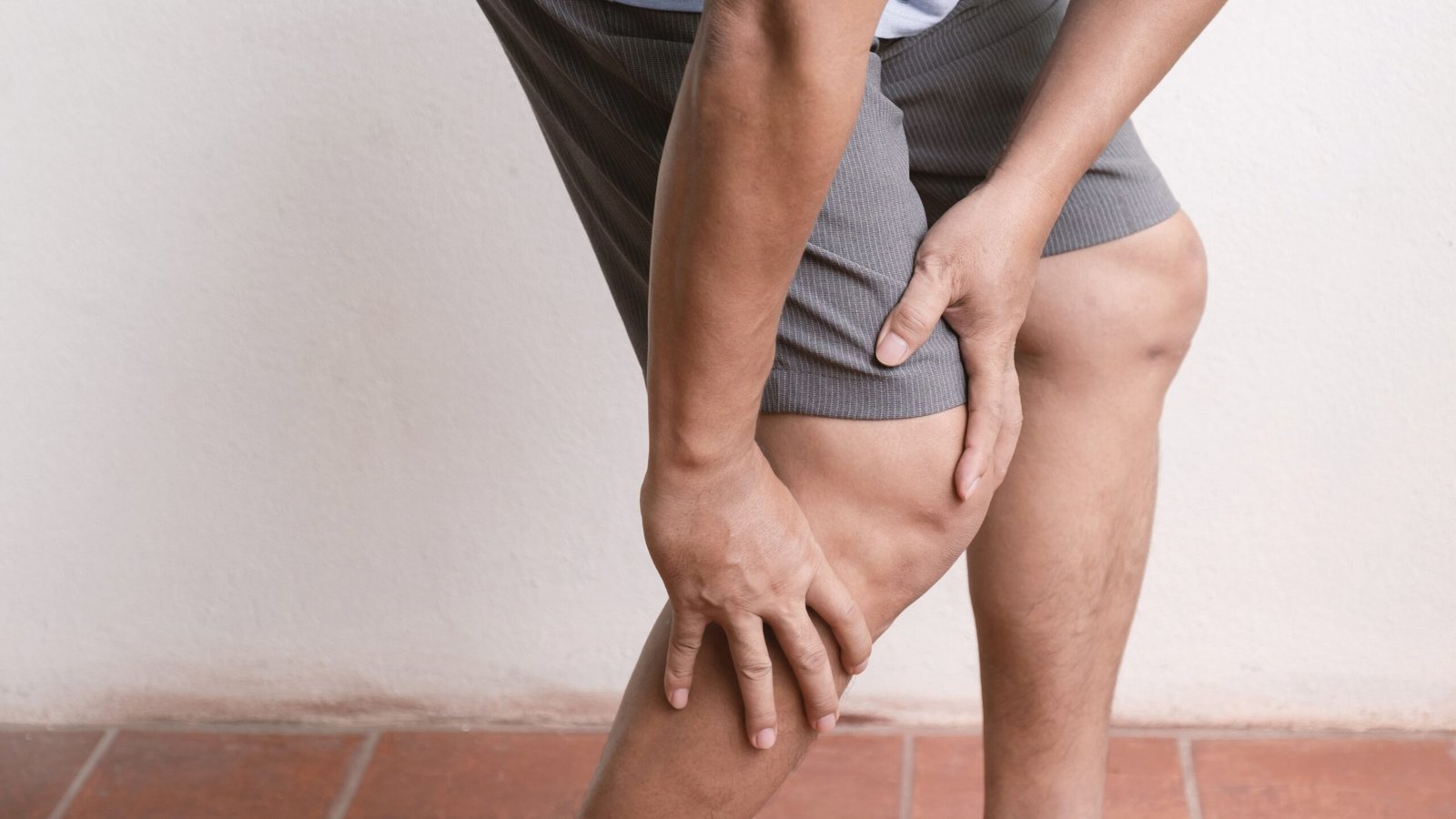
One wrong sprint, one overambitious deadlift, one enthusiastic weekend soccer game — and suddenly there’s a sharp grab in your calf, hamstring, or back. A pulled muscle (strain) is a tear in muscle fibers, ranging from mildly overstretched to partially torn. What you do in the first 48 hours shapes how fast you bounce back.
The First 48 Hours: PEACE
Sports medicine has moved past the old RICE-everything approach. The current framework is PEACE (then LOVE), and the first 48 hours are about protection without overdoing it:
- Protect: stop the activity that caused it. Avoid movements that cause sharp pain for 1–3 days. But “protect” doesn’t mean total immobilization — that slows healing.
- Raise it: keep the injured area above heart level when you can to limit swelling.
- Avoid anti-inflammatories (at first): this surprises people, but early inflammation is part of healing — blunting it aggressively with NSAIDs in the first day or two may slow tissue repair. Ice for pain relief is fine; scheduled ibuprofen around the clock is not the goal.
- Compress: light compression with an elastic bandage helps manage swelling. Snug, not tourniquet.
- Educate: learn what’s happening instead of catastrophizing. Most strains heal fully with sensible care.
What Should I Do If I Pull a Muscle? After Day Two: LOVE
- Load gradually: start gentle, pain-guided movement. Light activity increases blood flow and prevents the stiffness that comes from guarding. Pain up to ~3/10 during rehab exercises is generally acceptable; sharp pain is not.
- Optimism: sounds soft, but catastrophizing (“I’ll never run again”) measurably worsens outcomes. Most strains resolve in 2–8 weeks depending on grade.
- Vascularization: pain-free cardio (stationary bike, swimming) boosts blood flow to the healing tissue.
- Exercise: progressive rehab — gentle stretching, then strengthening — restores the muscle stronger than rest alone. Eccentric exercises are particularly good for hamstring and calf strains once acute pain fades.
The American Academy of Orthopaedic Surgeons has detailed strain rehab progressions if you want a structured plan.
Grades of strain — know what you’re dealing with
Grade I: mild overstretching, minimal strength loss, sore but functional — days to 2 weeks. Grade II: partial tear, noticeable weakness, swelling, maybe bruising — 3–8 weeks. Grade III: complete rupture, severe pain then sometimes odd numbness, obvious deformity — needs medical care, sometimes surgery. If you heard a pop, can’t bear weight, or see significant bruising and deformity, don’t self-manage — get evaluated.
Comeback Rules
Return to sport only when you have full pain-free range of motion, near-normal strength compared to the other side, and can do sport-specific movements (sprinting, cutting) without pain or hesitation. Rushing back is how a 3-week Grade I becomes a 3-month saga — re-injury rates are highest in the first weeks back. Warm up properly forever after; previously strained muscles are more vulnerable, and the NIH notes that adequate warm-up and progressive loading are the best prevention.
Preventing the Next Pull
Rehab gets you back; prevention keeps you there. The evidence-based prevention list:
- Warm up properly. 5–10 minutes of progressive activity (easy jog → dynamic drills → build to intensity). Cold muscles tear more easily — this is the most basic and most skipped prevention.
- Strength train the vulnerable spots. Nordic hamstring curls famously cut hamstring injury rates; calf raises protect calves; groin strengthening (Copenhagen planks) protects adductors. Fifteen minutes twice a week.
- Don’t spike your workload. The “too much, too soon” injury — doubling your running mileage or jumping into tournament weekend untrained. Progress gradually (the 10% guideline).
- Sleep and fatigue matter. Tired muscles protect joints poorly and tear more easily. Late-season injuries cluster in fatigued athletes for a reason.
- Address old injuries fully. A “healed” strain with residual weakness or fear is a re-injury waiting to happen. Rehab until strength and confidence are symmetrical.
- Consider your surfaces and shoes. Worn shoes, sudden surface changes (treadmill to track), and slippery fields all contribute.
What about heat, ice, and creams?
Ice: useful for pain relief in the first 48 hours; the “reduces swelling to speed healing” story is overstated — use it for comfort. Heat: better after the acute phase (48+ hours) for relaxing guarded muscles — never on a fresh, swollen injury. Topical NSAID gels: decent evidence for localized pain relief with fewer systemic effects than pills. Arnica, CBD creams, “muscle rubs”: the evidence ranges from thin to nonexistent; the tingling sensation is not therapeutic action, it’s just… tingling. Save your money for the physiotherapist if things aren’t progressing — two sessions of professional guidance beat two months of guessing, and most strains that aren’t improving by 2–3 weeks deserve expert eyes.
Rehab Exercises by Muscle Group
Once acute pain fades (usually days 3–7), targeted rehab rebuilds the muscle properly:
- Hamstring: start with gentle heel slides and isometric holds; progress to Nordic curl negatives (the gold-standard hamstring strengthener) and Romanian deadlifts with light weight.
- Calf: seated calf raises → standing double-leg → single-leg; eccentric heel drops off a step are the classic rehab movement.
- Groin/adductor: Copenhagen plank progressions (short-lever → long-lever) — the research-backed adductor strengthener.
- Quad: terminal knee extensions, then split squats and step-ups as pain allows.
- Lower back: McGill big three (curl-up, side plank, bird dog) — the spine-sparing core routine. Walk daily; avoid prolonged sitting.
- General rule: pain up to 3/10 during rehab is acceptable; sharp or worsening pain means regress. Soreness the next day is fine; sharp pain is not.
The mental game of injury
Injuries mess with your head as much as your body: the identity hit (“I’m a runner” → “I’m injured” is a genuine loss — acknowledge it), the fear of re-injury (normal, and protective in the short term — it fades with successful gradual exposure), the comparison trap (your training partners aren’t injured — irrelevant to your recovery), use the time productively (upper-body training during a leg injury, mobility work, the sleep and nutrition you’ve been neglecting), and set process goals (“complete rehab exercises 5x this week” beats “be healed by June”). Athletes who rehab well share a trait: they treat recovery as its own discipline, with the same consistency they brought to training. The comeback is built in the boring middle weeks — show up for them.
The Practical Takeaway
Protect it briefly, move gently early, load progressively, and don’t rush the comeback. Most pulls heal in weeks with smart care — the biggest mistake is either total bed rest or pretending it didn’t happen. You might also like How to Protect Your Eyes From Too Much Screen Time and How to Recover Faster After a Hard Workout.