
 By admin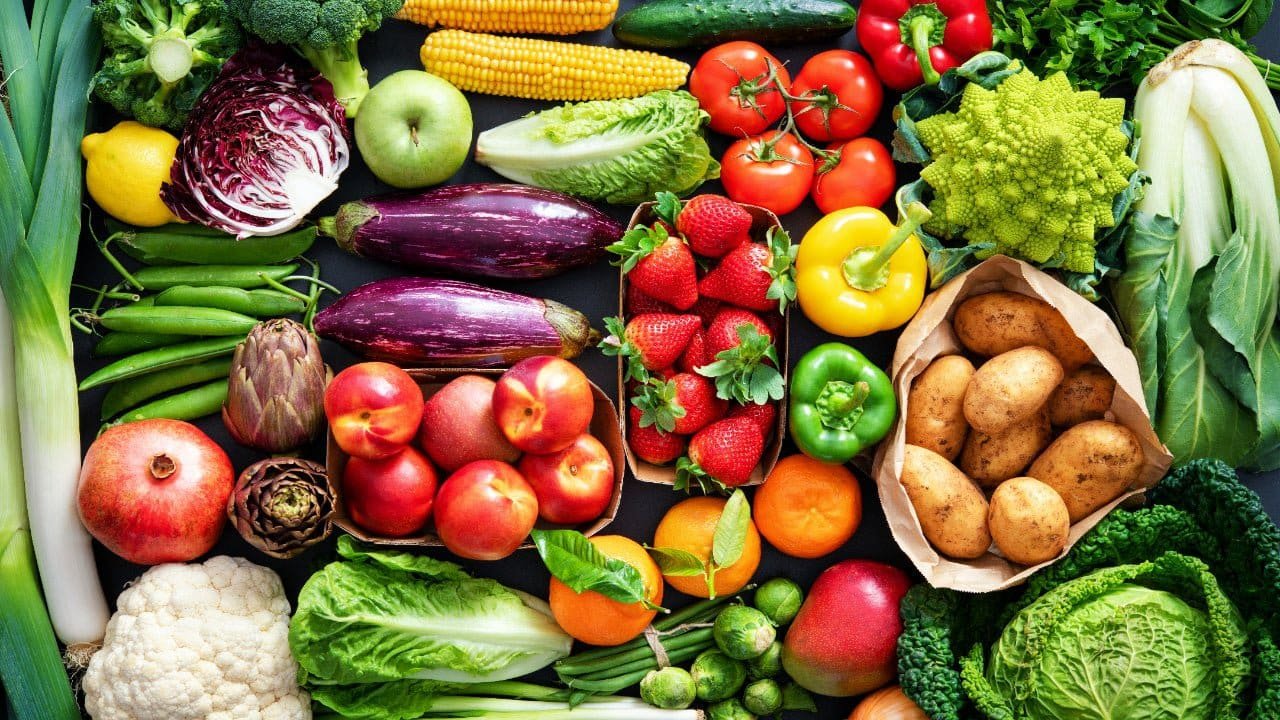
“Eating healthy is expensive” is one of those things everyone repeats and almost nobody checks. Yes, $8 green juice is expensive. But the actual building blocks of a healthy diet — beans, rice, oats, frozen vegetables, eggs, seasonal produce — are among the cheapest foods in the store. The trick isn’t money; it’s knowing what to buy and having five or six cheap meals you can make without thinking.
The Cheapest Healthy Foods in the Store
Build your cart around these and healthy eating gets dramatically cheaper than takeout:
- Dried beans and lentils — the undisputed champions: ~$1–2 per pound, packed with protein and fiber. A pound of dried beans makes roughly six cups cooked.
- Rice and oats — pennies per serving, endlessly versatile. Brown rice and steel-cut oats for the fiber win.
- Eggs — complete protein at a few cents each; still one of the best nutritional deals anywhere.
- Frozen vegetables and fruit — picked ripe and frozen, nutritionally equal to fresh, a fraction of the price, and zero waste from spoilage.
- Cabbage, carrots, onions, potatoes — the humble produce that costs almost nothing and lasts weeks.
- Bananas and seasonal fruit — among the cheapest fresh fruits year-round; buy whatever’s in season for the rest.
- Canned fish and peanut butter — cheap protein that keeps forever in the pantry.
- Plain yogurt in large tubs — a fraction of the per-ounce cost of single cups.
The USDA’s MyPlate budget resources and SNAP-Ed both confirm the math: a healthy diet built on staples costs less than the average American’s current diet.
How Can I Eat Healthy on a Tight Budget? Shop Like This
Plan 4–5 dinners, not 7. Leave room for leftovers and a “clean out the fridge” night. Shop with a list and eat first — the two oldest tricks because they work. Buy store brands — the oats are the oats. Check unit prices on shelf tags; the big bag is usually (not always) cheaper per ounce. Hit the reduced produce rack — slightly bruised fruit is perfect for smoothies and cooking. Buy whole chickens instead of boneless breasts when the per-pound price favors it; roast once, eat for days.
Cook simply, in batches
You don’t need elaborate recipes. The budget-healthy formula is: grain + protein + vegetable + simple seasoning. Rice + black beans + frozen peppers + cumin. Oats + peanut butter + banana. Eggs + potatoes + cabbage. Pasta + canned tomatoes + white beans + garlic. Learn six combos like these and you’ll never stare blankly into the fridge again. A slow cooker or big pot for batch bean and soup cooking turns one effort into a week’s lunches.
What Not to Waste Money On
Organic everything (the nutritional difference is small; conventional produce beats no produce), superfood powders, pre-cut vegetables (you’re paying triple for someone else’s chopping), single-serve anything, and bottled water. Also: the most expensive food is the food you throw away. Meal planning’s real payoff isn’t just cheaper groceries — it’s stopping the $60 of produce that dies in the crisper every month.
Budget Meal Prep: A Week of Cheap Healthy Eating
Here’s what a week of budget-healthy eating actually looks like — total grocery cost roughly $50–70 for one person:
- Breakfast rotation: oatmeal with peanut butter and banana ($0.50/serving), eggs and toast ($0.75), Greek yogurt with frozen berries ($1.00). Pick two and alternate.
- Lunch formula: grain bowls — rice + beans + frozen veggies + sauce (salsa, soy-ginger, tahini). Under $1.50 per bowl, endlessly variable, meal-preps beautifully.
- Dinner rotation: lentil soup, bean chili, stir-fry with cabbage and carrots, pasta with white beans and canned tomatoes, sheet-pan chicken thighs with potatoes. Each makes 4+ servings for a few dollars.
- Snacks: apples, bananas, carrots with peanut butter, popcorn (air-popped — pennies), hard-boiled eggs.
- The $10 flavor kit: garlic, onions, cumin, chili powder, soy sauce, vinegar, hot sauce. Cheap ingredients taste good with the right seasonings — this is the real secret.
Cutting waste = cutting costs
The average American household wastes ~30% of purchased food — that’s the real budget killer, not the price of kale. The fixes: shop your fridge first when planning meals, freeze aggressively (bread, meat, cooked grains, soups, even milk — the freezer is a pause button), learn the “use it up” meals (stir-fry, soup, fried rice, frittata — all designed for odds and ends), understand date labels (“best by” is quality, not safety — your nose knows), and store produce properly (herbs in water like flowers, greens with a paper towel, onions and potatoes separated). A household that wastes nothing can eat remarkably well on very little — the savings from zero waste often exceed any couponing strategy.
Pantry Staples: The Budget-Healthy Starter Kit
One $40–60 stock-up trip builds the foundation for months of cheap healthy eating:
- Grains: rice (brown or white), oats, pasta — the calorie base.
- Legumes: dried lentils, black beans, chickpeas (dried cheapest; canned for convenience).
- Canned: diced tomatoes, tuna/salmon, coconut milk — the instant-meal builders.
- Oils & acids: olive oil, vinegar, soy sauce — the flavor foundation.
- Spices: salt, pepper, garlic powder, cumin, chili powder, oregano — the $10 flavor arsenal.
- Peanut butter: protein, calories, deliciousness — the budget superfood.
- Frozen: mixed vegetables, berries, spinach — the no-waste produce drawer.
With this pantry, “there’s nothing to eat” is never true — there’s always rice-and-beans, pasta, soup, or stir-fry 20 minutes away.
Eating healthy at restaurants and on the go
Budget eating isn’t only home cooking: grocery delis beat fast food (rotisserie chicken + bagged salad = $8 healthy meal), fast-food hacks (grilled over fried, water over soda, skip the fries — the meal’s not health food but it’s damage control), ethnic restaurants (bean-based Mexican, lentil-heavy Indian, pho — enormous healthy portions for little money), pack food (the $3 homemade sandwich beats the $14 airport one; keep nuts and fruit in your bag always), and the 80/20 rule (eat well 80% of the time and the occasional slice of pizza is irrelevant — perfectionism is the enemy of the good diet). Healthy eating on a budget is a home-cooking game with occasional away matches — win the home games and the rest takes care of itself.
The Practical Takeaway
Beans, rice, oats, eggs, frozen veggies, and seasonal produce are the budget-healthy core. Plan a few simple meals, buy store brands, cook in batches, and waste nothing. Healthy eating on a tight budget isn’t a compromise — it’s just cooking. For more on this topic, see What to Eat Before and After a Workout and What is a healthy breakfast for weight loss.