
 By admin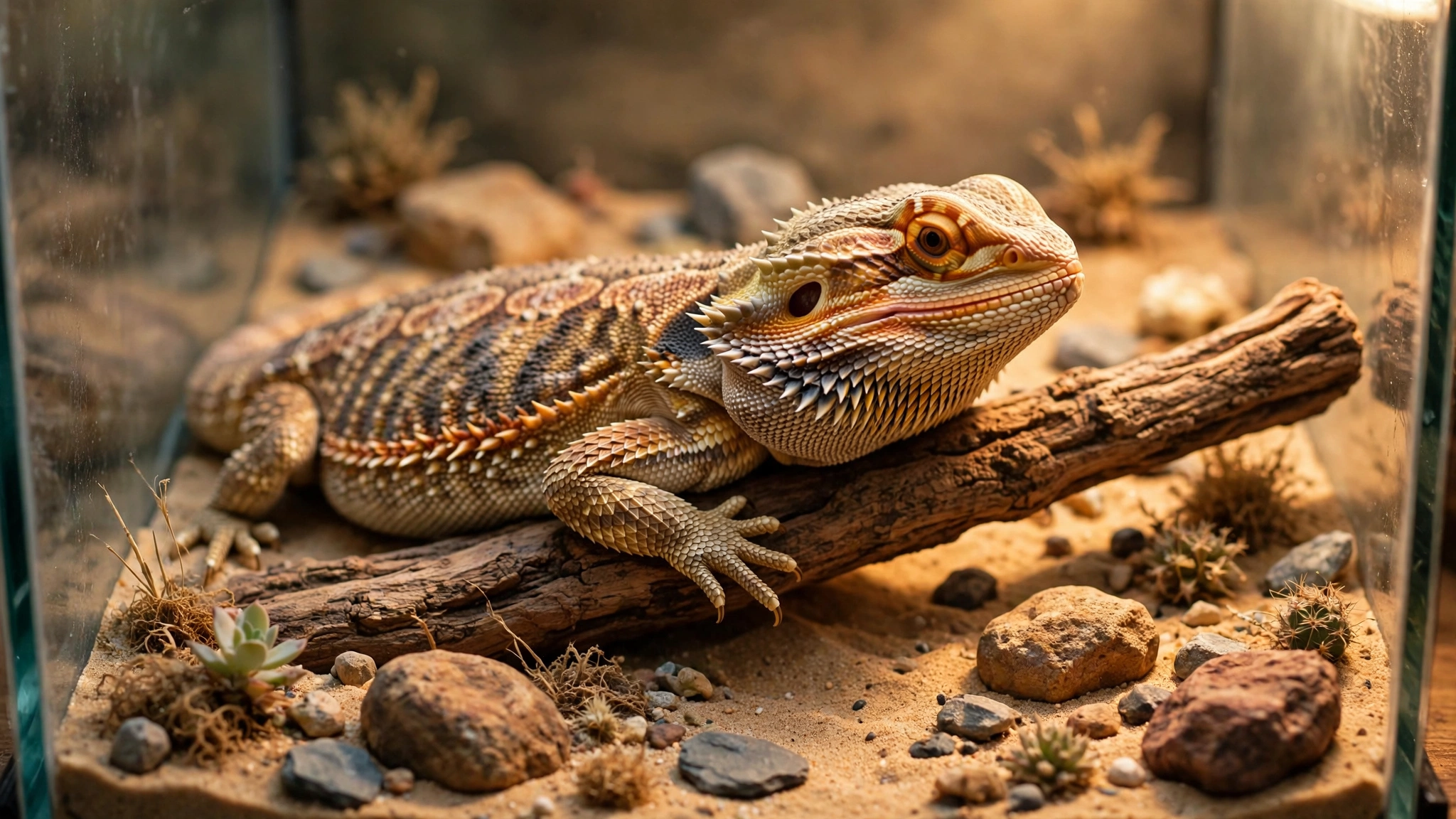
Quick Answer: Bearded dragons live 10–15 years in captivity on average, with well-cared-for individuals occasionally reaching 18–20 years. Lifespan depends on proper UVB lighting, correct temperatures, a balanced diet of insects and greens, and regular vet care. Poor husbandry — especially missing UVB — can cut their lives to under 5 years.
Bearded dragons are the most popular pet lizard in America, and for good reason: they are personable, hardy, and interactive. But “how long do bearded dragons live in captivity” is a question every prospective owner should ask before buying, because the answer — a decade or more — is a serious commitment that surprises people expecting a short-lived “starter reptile.”
This guide covers realistic lifespan expectations, the care factors that add or subtract years, signs of aging, and how to give your dragon the longest, healthiest life possible.
Average Lifespan in Captivity
A bearded dragon with good care lives 10–12 years routinely, and 12–15 years is a reasonable expectation for an owner who nails the basics from day one. Exceptional dragons with excellent genetics and meticulous care have been documented at 18+ years.
For context, wild bearded dragons (Pogona vitticeps, native to Australian deserts) typically live only 5–8 years — predation, parasites, drought, and food scarcity take their toll. Captivity removes those threats, which is why pet dragons can double or triple wild lifespans. But captivity introduces its own killers: wrong lighting, wrong temperatures, and wrong diet.
What Determines How Long They Live?
1. UVB Lighting (The #1 Factor)
Nothing matters more. Bearded dragons need high-output UVB (a T5 HO 10.0/12% tube spanning 2/3 of the enclosure, replaced every 6–12 months even if it still glows) to synthesize vitamin D3 and absorb calcium. Without adequate UVB, they develop metabolic bone disease (MBD) — soft, deformed bones, tremors, and eventually death, often within 1–3 years. Coil UVB bulbs are inadequate for bearded dragons; use a proper linear tube mounted inside the tank at the correct distance (typically 10–14 inches from the basking spot, no glass or plastic between bulb and dragon).
2. Temperatures and Basking
Bearded dragons are desert animals that thermoregulate across a gradient:
- Basking spot: 100–110°F (surface temp, measured with an infrared gun)
- Warm side ambient: 88–95°F
- Cool side: 75–85°F
- Nighttime: 65–75°F (no night heat needed unless your home drops below 65°F)
Chronically cool dragons cannot digest food properly, leading to impaction, malnutrition, and weakened immunity. Use thermostats on all heat sources and verify with digital thermometers — dial thermometers stuck to the glass are notoriously inaccurate.
3. Diet
Diet needs shift dramatically with age:
- Babies (0–6 months): 80% insects, 20% greens — feed insects 2–3x daily, as many as they eat in 10–15 minutes
- Juveniles (6–12 months): 50/50 insects and greens, fed 1–2x daily
- Adults (12+ months): 20% insects, 80% greens — insects every 2–3 days, fresh salad daily
Staple insects: dubia roaches, black soldier fly larvae, crickets, silkworms. Staple greens: collard greens, mustard greens, dandelion greens, butternut squash. Avoid: iceberg lettuce (no nutrition), spinach and kale in large amounts (oxalates bind calcium), citrus, avocado (toxic), and fireflies (lethal). Dust insects with calcium (with D3 if no UVB, without D3 if UVB is proper) and a multivitamin weekly.
The most common dietary killer of adult dragons is obesity from too many insects — an adult fed like a baby develops fatty liver disease. Flip the ratio at 12 months and do not look back.
4. Enclosure Size
Minimum for one adult: 120 gallons (4x2x2 feet). The old 40-gallon “starter kit” standard is now considered inadequate — cramped dragons are stressed, sedentary dragons, and chronic stress suppresses immunity. Bigger is always better; many keepers use 4x2x4 or larger.
5. Veterinary Care
Annual checkups with a reptile vet, plus fecal tests for parasites (especially for new dragons), catch problems early. Common treatable issues — pinworms, coccidia, respiratory infections from low temps — become fatal when ignored. Find your reptile vet BEFORE you need one; not all vets treat reptiles.
6. Genetics and Source
Dragons from reputable breeders who do not inbreed heavily tend to be hardier. Pet-store dragons from mass breeders can carry weaker genetics. This is luck of the draw to some degree, but excellent husbandry overcomes mediocre genetics far more often than the reverse.
Growth and Life Stages
- Hatchling (0–2 months): 3–4 inches, explosive growth, eats constantly
- Juvenile (2–7 months): rapid growth to 12–16 inches; highest food demands
- Sub-adult (7–12 months): growth slows; sexual maturity around 8–12 months
- Adult (1–7 years): full size 16–24 inches; prime of life
- Senior (8+ years): slowing metabolism, less activity, more vet attention needed
Signs of Aging in Bearded Dragons
Around age 8–10, expect:
- Longer basking sessions and less roaming
- Reduced appetite (but should still eat regularly — complete appetite loss is illness, not age)
- Slower shedding
- Graying or dulling of colors
- Stiffer joints; lower basking platforms help
Senior care adjustments: keep temperatures at the warm end of the range, offer softer foods (finely chopped greens, smaller insects), ensure easy access to water, and increase vet visits to twice yearly. Many dragons live their best years as seniors — calm, handleable, and deeply bonded to their owners.
Top Killers That Shorten Captive Lifespans
- No/inadequate UVB: MBD kills within 1–3 years; the #1 cause of premature death
- Impaction: loose substrate (sand, walnut shell, crushed walnut) ingested during feeding blocks the gut — use tile, paper towel, or non-adhesive shelf liner
- Wrong temperatures: too cool = cannot digest, respiratory infections; too hot without a cool side = thermal burns and heat stroke
- Obesity: fatty liver disease from lifelong overfeeding of insects
- Parasites: untreated coccidia and pinworms waste dragons away
- Egg binding (females): females can lay infertile eggs without a male; provide a lay box and ensure adequate calcium — bound eggs are a vet emergency
- Co-habitation injuries: bearded dragons are solitary; housing together causes stress, bullying, and injuries — one dragon per enclosure
Brumation vs. Illness
Healthy adults may brumate (reptile hibernation) in fall/winter: sleeping for days or weeks, eating little, hiding. This is normal. The key distinction from illness: a brumating dragon maintains body weight and looks otherwise healthy. A sick dragon loses weight, has sunken eyes, lethargy when awake, or abnormal droppings. When in doubt, a vet visit and fecal test settle it. Never brumate a dragon under a year old or one that is underweight.
How to Maximize Your Dragon’s Lifespan: Checklist
- Linear T5 HO UVB tube, correct distance, replaced on schedule
- Verified basking temps of 100–110°F with a proper gradient
- 120+ gallon enclosure for adults
- Age-appropriate diet: insects-heavy for babies, greens-heavy for adults
- Calcium and multivitamin supplementation
- Solid substrate, never loose sand or walnut shell
- Annual reptile vet visits + fecal tests
- One dragon per enclosure
- Clean water available daily; regular baths for hydration
- Correct photoperiod: 12–14 hours of light daily
Further Reading
- How Long Do Raccoons Live? Complete Answer (2026)
- How Long Do Great Danes Live? Complete Answer (2026)
- How Long Do Boston Terriers Live? Complete Answer
- American Society for the Prevention of Cruelty to Animals
- PetMD’s veterinary-reviewed articles
Frequently Asked Questions
How long do bearded dragons live in captivity vs. the wild?
Captivity: 10–15 years with good care. Wild: 5–8 years due to predators, parasites, and food scarcity. Captive dragons live longer only when husbandry is correct — bad captive care kills faster than the wild does.
Can bearded dragons live 20 years?
Rarely, but yes — exceptional individuals with excellent genetics and meticulous lifelong care have reached 18–20 years. Treat 10–15 as the realistic expectation.
Do male or female bearded dragons live longer?
Males tend to live slightly longer on average, mainly because females face the metabolic demands and risks of egg-laying (including egg binding). With proper calcium and lay boxes, females still routinely reach 10+ years.
How can I tell how old my bearded dragon is?
Size is the best proxy under a year (hatchlings 3–4 inches, juveniles 5–16 inches). After maturity, age is hard to determine — rescues are usually “adult, age unknown.” A vet can estimate from overall condition.
Is 8 years old for a bearded dragon?
Eight is senior but not ancient — roughly equivalent to a human in their 60s. With adjusted care (warmer basking, softer foods, biannual vet visits), many dragons enjoy 4–7 more good years.
Conclusion
How long do bearded dragons live in captivity? A decade or more — 10 to 15 years for a well-kept dragon, and that timespan is almost entirely in your hands. Get the UVB right, keep temperatures correct, feed for the dragon’s age, and see a reptile vet regularly, and you will share a remarkably long chapter of life with one of the most rewarding reptiles you can keep.