
 By admin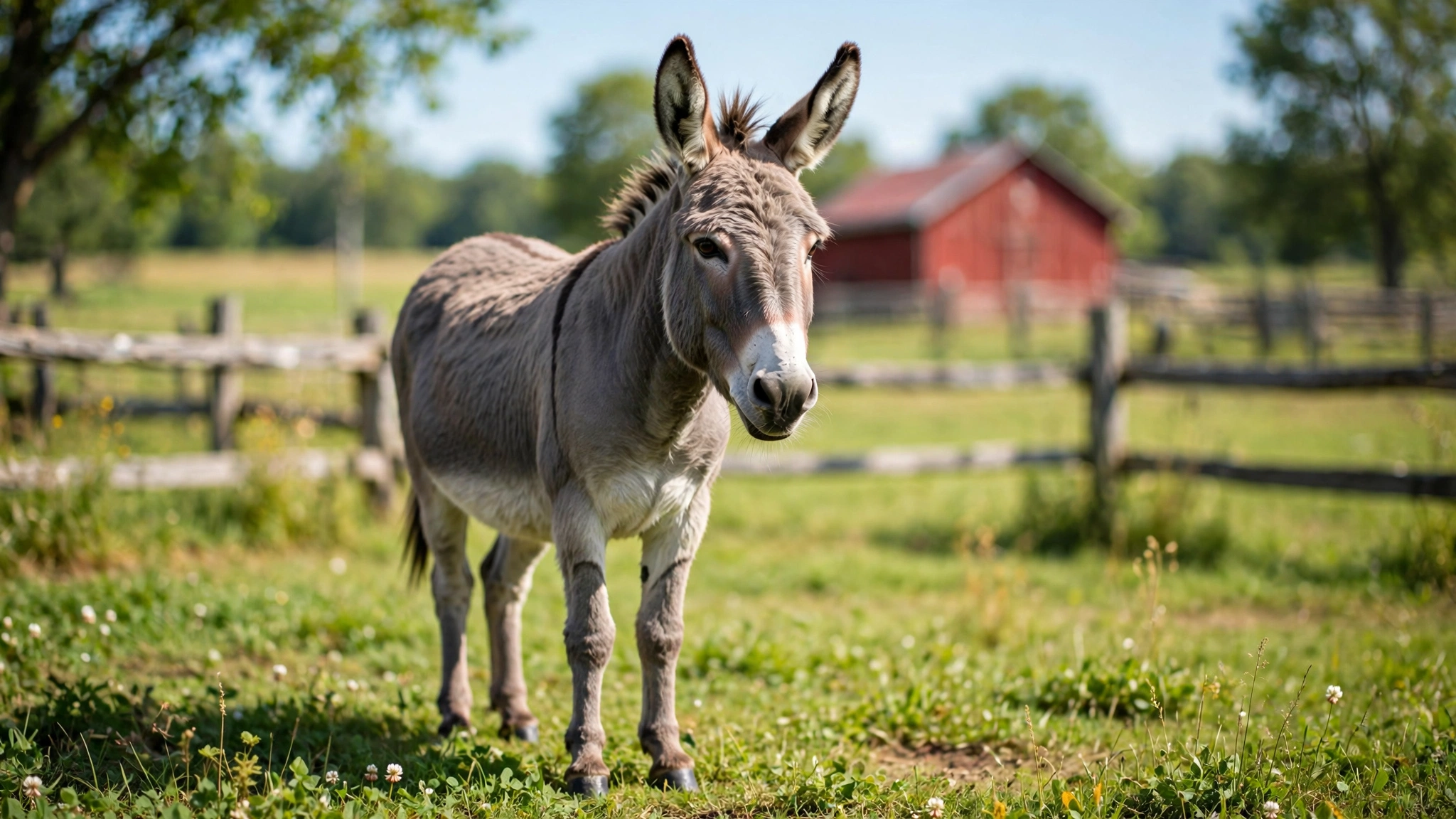
Quick Answer: Donkeys typically cost $300 to $3,000+. Untrained standard donkeys start around $300–$800, pet-quality miniature donkeys run $500–$2,000, and trained, show-quality, or breeding-stock animals can exceed $3,000. Annual care adds roughly $1,500–$3,000 per year.
Donkeys are having a moment. Whether you want a companion for a lonely horse, a guardian for sheep and goats, or simply one of the most personable animals on the farm, the first question is always about price. The honest answer: it depends enormously on size, breed, training, and where you live. Here is what donkeys actually cost in the United States in 2026 — purchase price and the ongoing bills nobody warns you about.
Donkey Prices by Type
Miniature Donkeys (36 inches and under at the shoulder)
Minis are the most popular pet donkeys in the US. Expect to pay:
- Pet quality, unregistered: $500–$1,200
- Registered, well-bred: $1,000–$2,500
- Show quality or proven breeding stock: $2,500–$5,000+
Spotted, light-colored, and unusually marked minis command premiums. A gelded (castrated) male pet is usually the cheapest and easiest option for a first-time owner.
Standard Donkeys
The classic farm donkey. Untrained or grade (unregistered) standards are the bargain of the donkey world at $300–$800, often found at livestock auctions. Halter-broke, handleable animals run $800–$1,500.
Mammoth Donkeys (54+ inches)
Mammoths — the draft horses of the donkey world — are rarer and pricier: $1,500–$5,000+, with trained driving or riding mammoths at the top end.
What Drives the Price Up or Down
- Training: A donkey that leads, loads, stands for the farrier, and picks up its feet is worth double an untouched one. Professional training costs $300–$600/month, and sellers price accordingly.
- Registration: Registered stock (e.g., with the American Donkey and Mule Society) with documented pedigrees costs more — worth it if you plan to breed or show.
- Age and sex: Young, healthy geldings and jennies (females) are most in demand. Intact jacks (males) are cheaper but challenging — most experts recommend geldings for beginners.
- Color and markings: Spotted minis, red roans, and frosted (light points) animals fetch premiums purely on looks.
- Location: Donkeys are cheapest in the South and Midwest near Amish and Mennonite communities; priciest on the coasts where demand outstrips supply.
Where to Buy a Donkey
- Breeders: Best for minis and registered stock. Visit the farm, meet the parents, and ask about handling.
- Rescues: Donkey rescues across the US rehome animals for $200–$600 adoption fees — often including gelding and basic training. An excellent, ethical option.
- Livestock auctions: Cheapest, but you buy what you see with no history. Bring an experienced friend.
- Online listings: DreamHorse, EquineNow, and breed association classifieds. Always see the animal in person before paying.
The Real Cost: Annual Donkey Care
The purchase price is the cheap part. Budget roughly $1,500–$3,000 per year per donkey:
- Hay: $100–$200/month (donkeys are easy keepers — they need grass hay, not rich alfalfa, and obesity is their #1 health risk)
- Farrier: $40–$80 every 6–8 weeks for trimming
- Vet: $200–$400/year for vaccines, dental floats, and deworming
- Shelter and fencing: A three-sided run-in shed and sturdy fencing; initial setup $500–$2,000
- Emergency fund: Colic surgery can exceed $5,000 — budget or insure accordingly
Critical: Donkeys are herd animals. Plan on getting at least two, or housing one with a compatible horse, goat, or mule. A solitary donkey is a miserable donkey, and misery shows up as braying, fence-walking, and behavioral problems.
Donkey vs. Mule vs. Horse: Which Costs Less Overall?
Donkeys are the economy choice among equines. A comparable horse costs $2,000–$10,000+ to purchase and $3,000–$6,000+ yearly to keep, eating roughly twice the hay of a similar-sized donkey. Mules sit between: purchase prices of $1,000–$5,000 and upkeep close to horse levels, since mules inherit the horse’s appetite more than the donkey’s thriftiness. The donkey’s legendary feed efficiency — evolved for sparse desert forage — is a genuine budget advantage, not just folklore. Where a donkey costs you extra is time: they are cautious, slow to trust, and cannot be rushed the way a horse can.
10 Questions to Ask Before You Buy
- Can I see the donkey caught, haltered, and led — not just standing in a field?
- Will it pick up all four feet for the farrier?
- Has it been handled by children or been around dogs, goats, or traffic?
- What is its exact age, and can you show me registration papers or vet records?
- Is it a gelding, jenny, or intact jack — and why?
- What is it currently eating, and how much?
- Has it ever shown aggression toward people or other animals?
- Why are you selling it?
- Can I have my vet do a pre-purchase exam?
- What happens if it does not work out — will you take it back?
A seller who welcomes these questions is a seller worth buying from. One who dodges them is telling you everything you need to know.
Can Donkeys Earn Their Keep?
Most pet donkeys are pure expense — and worth it. But working donkeys can offset costs: a trained guardian donkey protecting sheep or goats can save thousands in predator losses per year, effectively paying for itself. Some owners offer “rent-a-donkey” guardian placements to neighboring farms. Breeding quality registered minis can produce foals selling for $1,500–$4,000, though breeding carries real costs and risks. Agritourism — donkey walks, farm visits, nativity rentals in December — is a growing niche. Go in clear-eyed: almost nobody gets rich on donkeys, but a working animal that covers its own hay bill is a realistic goal.
Miniature Donkey Pros and Cons for Beginners
Pros: small enough for modest acreage (half an acre per donkey minimum), affordable to feed, gentle with children when socialized, excellent companion animals for horses, and natural guard instincts. Cons: 30+ year commitment, need for a same-species companion, specialized farrier care, and a stubborn streak that punishes impatient handling. They also bray — loudly, at dawn — so check neighbor tolerance and local noise ordinances before buying. If you want a low-maintenance pet, get a cat; if you want a rewarding, decades-long partnership with an animal that will learn your voice, your truck, and your treat pocket, a donkey delivers.
Further Reading
- How to Tell How Old a Kitten Is: Step-by-Step Guide (2026)
- How Long Do Raccoons Live? Complete Answer (2026)
- How Long Do Great Danes Live? Complete Answer (2026)
- American Society for the Prevention of Cruelty to Animals
- PetMD’s veterinary-reviewed articles
Frequently Asked Questions
Are donkeys cheaper than horses?
Generally yes — both purchase price and upkeep. A donkey eats roughly half what a similar-sized horse eats and has famously tough hooves and hardy constitutions. Vet and farrier costs are comparable per visit, though.
Can a donkey live with goats or sheep?
Yes, and they excel as livestock guardians. A single standard donkey or jenny will bond with and fiercely protect sheep and goats from coyotes and dogs. Introduce carefully — and note that intact jacks can be aggressive toward small livestock.
Do donkeys need their hooves trimmed?
Absolutely, every 6–8 weeks. Donkey hooves grow continuously and neglect leads to lameness. This is non-negotiable routine care.
How long do donkeys live?
30 to 40+ years with good care — some reach 50. Buying a donkey is a multi-decade commitment, closer to adopting a parrot than getting a dog.
Are miniature donkeys good pets?
Wonderful ones, for the right setup. They are affectionate, intelligent, and hilarious — but they need acreage (not a backyard), a companion, and owners who understand equine care. They are livestock, not large dogs.
The Bottom Line
Expect to pay $300–$3,000+ for the donkey itself depending on type and training, then budget $1,500–$3,000 per year for care — times two, because donkeys need company. Buy from a reputable breeder or rescue, get a gelding or jenny as a beginner, and you will gain one of the most rewarding animals in all of farm life.