
 By admin
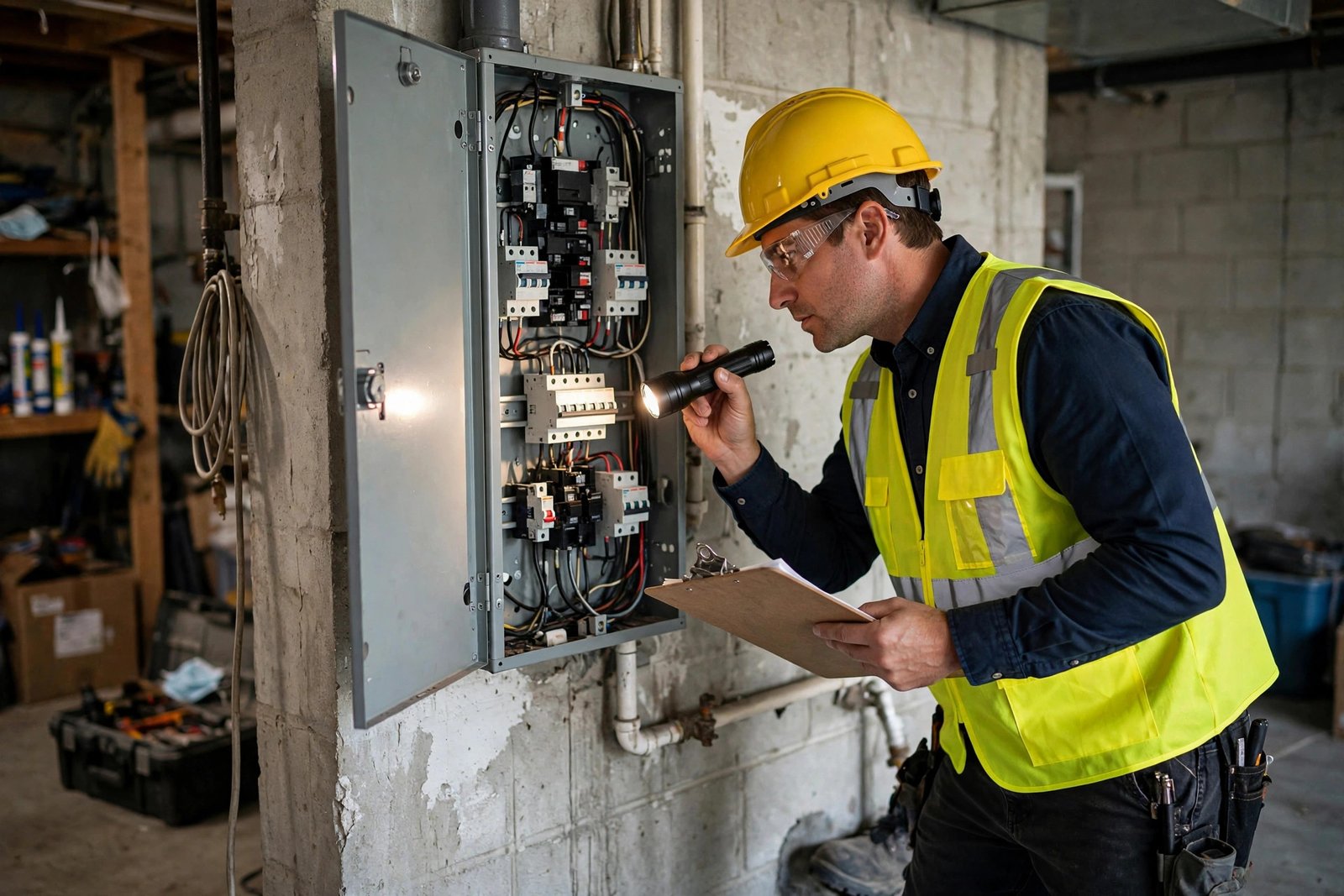
You’re under contract on a $475,000 house. The inspector spends three hours crawling through the attic, the crawlspace, and the electrical panel — and hands you a 40-page report with photos of things you didn’t know could go wrong in a house. Congratulations: this is the home inspection doing exactly what it’s supposed to do. The question is whether you know how to read it.
A home inspection is a professional, visual examination of a property’s condition — structure, systems, and safety — conducted before you’re fully committed to buying. It costs $300 to $600 in most markets and routinely saves buyers tens of thousands by revealing problems while they still have leverage to negotiate or walk away. Here’s what an inspection should cover, what it can’t, and how to turn that intimidating report into smart decisions.
What a Standard Home Inspection Covers
A licensed inspector evaluates the home’s major systems and components through visual examination — no destructive testing, no opening walls. The American Society of Home Inspectors (ASHI) Standards of Practice define the scope, and reputable inspectors follow them closely. Here’s the checklist:
Structure and exterior
Foundation, framing, roof condition and age, siding, windows, doors, driveways, walkways, decks, and drainage grading around the house. The inspector looks for settlement cracks, water intrusion patterns, and roof wear — the big-ticket items that can each cost five figures.
Plumbing
Water supply lines, drain lines, water heater (age, condition, proper venting), fixtures, water pressure, and signs of leaks under sinks and around toilets. Polybutylene pipes (common in 1978–1995 builds) and galvanized steel are red flags for future replacement costs.
Electrical
Service panel capacity and condition, wiring type, outlets (including GFCI protection in kitchens, baths, and exteriors), grounding, and safety hazards like double-tapped breakers or aluminum branch wiring. Federal Pacific and Zinsco panels — common in mid-century homes — are fire risks many insurers won’t cover.
HVAC
Heating and cooling equipment age, condition, maintenance history, ductwork, and thermostat operation. A 22-year-old furnace isn’t an automatic deal-breaker, but it’s a $6,000–$12,000 replacement you should price into your offer.
Interior, insulation, and ventilation
Walls, ceilings, floors, stairs, attic insulation depth and ventilation, exhaust fan routing (bathroom fans venting into attics cause mold), and signs of past water damage on ceilings.
Appliances and safety
Built-in appliances’ basic operation, smoke and CO detector presence, garage door auto-reverse, and railings on stairs and balconies.
The American Society of Home Inspectors publishes the full Standards of Practice — worth skimming so you know exactly what your inspector is obligated to examine and what’s excluded.
What Inspections Don’t Cover (And the Specialists Who Do)
Standard inspections have important blind spots. They don’t test for radon, mold, asbestos, or lead paint — each requires specialized testing ($150–$400 per test). They don’t evaluate sewer lines (a sewer scope, $150–$300, can reveal $10,000+ in line replacement needs — essential for older homes with mature trees). They don’t assess pools, septic systems, wells, or chimneys in depth. And they can’t see inside walls, under floors, or behind the water heater.
Smart buyers order specialists based on the property’s profile: radon testing in high-radon regions (the EPA’s radon zone maps show your area’s risk — EPA radon guidance explains testing and mitigation, which typically costs $800–$2,500), sewer scopes for homes built before 1980, chimney inspections for wood-burning fireplaces, and mold assessment if the inspector notes moisture intrusion. Each specialist costs a few hundred dollars; each can reveal five-figure problems.
How to Read the Report Without Panicking
Every inspection report looks alarming — 40 pages of deficiencies on a perfectly good house is normal. Inspectors document everything they observe, including cosmetic wear and maintenance suggestions, because their liability depends on thoroughness. Learn to triage:
Safety hazards (act now): electrical dangers, gas leaks, structural instability, missing railings, radon above 4 pCi/L. These are non-negotiable — budget for immediate repair regardless of negotiation outcomes.
Major defects (negotiate): roof at end of life, failing HVAC, foundation movement, active water intrusion, sewer line failure. These are what inspection contingencies exist for — request repairs, credits, or price reductions.
Deferred maintenance (plan for): aging water heater, worn caulking, minor grading issues, older appliances still functioning. Note them, budget for them over 1–5 years, but don’t try to renegotiate the deal over a $400 water heater with three years of life left.
Cosmetic and informational (ignore for negotiation): paint wear, dated fixtures, inspector’s maintenance tips. Useful for your homeowner to-do list, irrelevant to the transaction.
A useful rule: focus your negotiation on items over $1,000–$2,000 that affect safety, structure, or major systems. Nickel-and-diming sellers over every line item poisons goodwill you may need later in the transaction.
Should You Attend the Inspection?
Yes — enthusiastically. Being present (typically the last 60–90 minutes) transforms the report from an abstract document into an education. You’ll learn where the main water shutoff is, how old the major systems are, which maintenance tasks are urgent, and what the inspector is genuinely concerned about versus dutifully noting. Ask questions freely: “Is this normal for a house this age?” “What would you fix first if this were your house?” Inspectors can’t quote repair costs (liability), but they can tell you which issues deserve contractor bids — and getting those bids before your contingency expires is how you negotiate from strength. If you’re planning renovations after purchase, our guide to finding a reliable contractor covers how to vet the professionals who’ll price your repair list.
After the Report: Negotiate, Accept, or Walk
You have four moves. Accept as-is when issues are minor — the cleanest path. Request repairs for specific defects, with the seller completing work before closing (get receipts and re-inspection rights — seller-done repairs are notoriously shoddy). Request credits or price reduction — usually smarter than seller repairs, because you control the quality of the work; credits reduce your cash needed at closing. Walk away when problems exceed your risk tolerance or budget — this is the contingency’s entire purpose, and using it is smart, not weak.
What if the report reveals major problems? Inspectors diagnose; contractors fix — and the essential tools every homeowner needs will handle the minor issues you decide to live with. A scary report often describes a negotiable opportunity rather than a dealbreaker, provided you price the repairs before you renegotiate.
Conclusion
A home inspection is a $300–$600 investment that buys you three things: a professional assessment of the property’s true condition, leverage to negotiate major defects, and the legal right to walk away if the problems exceed your tolerance. Know what the standard inspection covers, order specialists for the blind spots that match the property, triage the report into safety/major/maintenance/cosmetic buckets, and negotiate only the items that genuinely move the financial needle. The buyers who get burned aren’t the ones whose inspections find problems — they’re the ones who waived the inspection and found the problems later, when the leverage was gone.
Frequently Asked Questions
How much does a home inspection cost?
$300–$600 for most single-family homes, varying by market, size, and age. Condos run less; large or historic properties cost more. Specialist add-ons (radon, sewer scope, mold) run $150–$400 each.
How long does a home inspection take?
Two to four hours for a typical single-family home. Larger, older, or complex properties take longer. The report usually arrives within 24 hours.
Can a house fail a home inspection?
There’s no pass/fail — the inspection produces findings, not a verdict. You decide what the findings mean for your purchase. Lenders don’t see the report (unless it’s an FHA/VA appraisal noting minimum property standards).
Should I get a home inspection on new construction?
Absolutely. New builds have defects too — improper flashing, HVAC mistakes, plumbing errors — and builder warranties have fine print. A pre-drywall inspection plus a final inspection catches issues while the builder is still obligated to fix them.
What happens if the seller refuses to negotiate after the inspection?
You can accept the property as-is, make a counterproposal, or exercise your inspection contingency to cancel and recover your earnest money. The contingency exists precisely for this standoff — use it without guilt if the numbers don’t work.