
 By admin
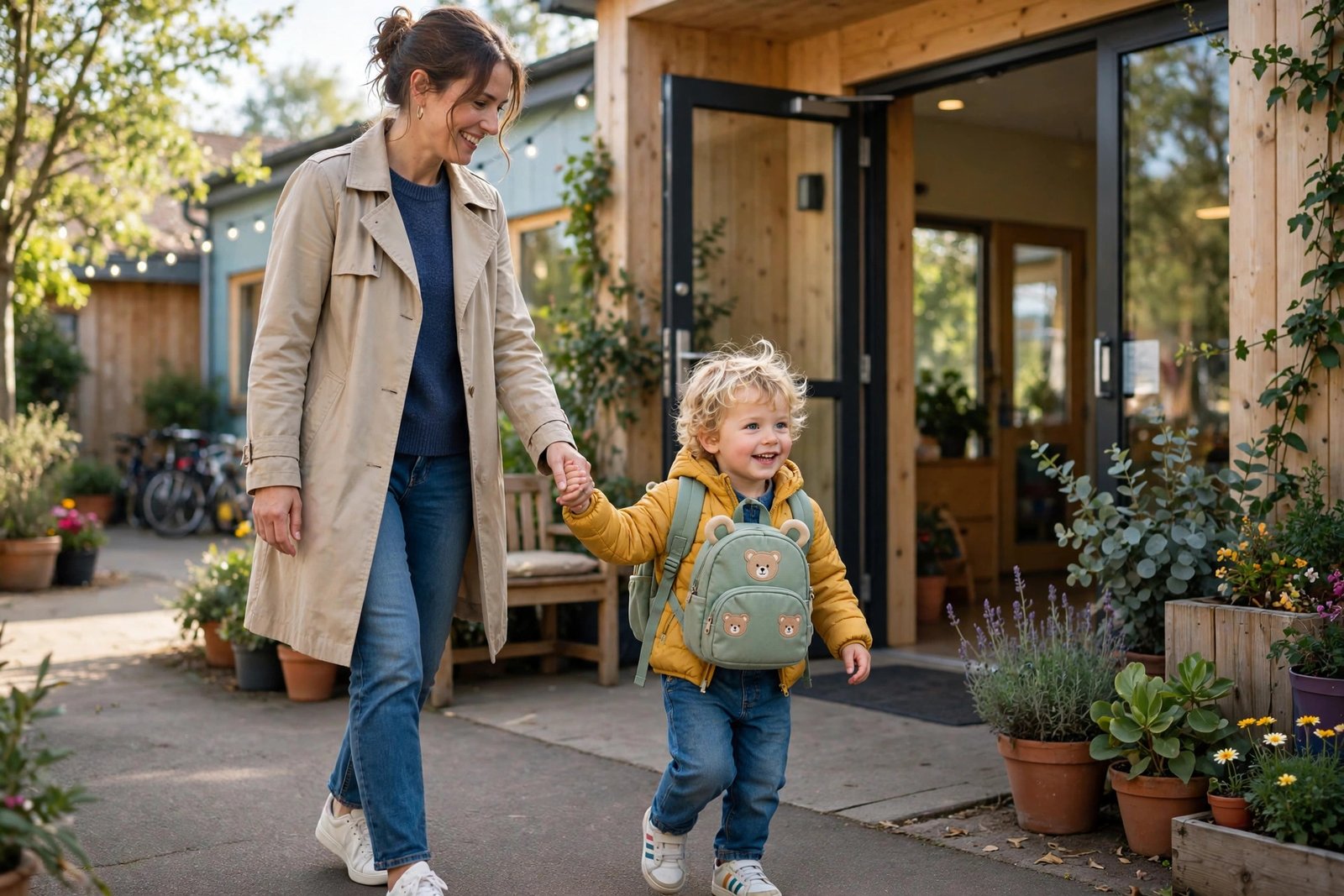
Your toddler is approaching preschool age, and Seattle parents feel the pressure early — waitlists, tours, philosophies, and the quiet fear that choosing wrong will somehow derail everything. Take a breath. Preschool is not destiny; it’s a gentle introduction to learning away from home. What matters most isn’t the “best” program by reputation, but the right fit for your child’s temperament and your family’s needs. Here’s how Seattle parents can prepare their toddler for preschool practically, emotionally, and logistically.
When to Start: Seattle Timelines
Most Seattle preschools enroll children at age 3 or 4, with programs running September through June. Popular programs — especially in neighborhoods like Ballard, Capitol Hill, Queen Anne, and West Seattle — often have waitlists, so start touring in the fall or winter before the year you need care (many families tour October–January for the following September). Seattle’s subsidized Seattle Preschool Program (SPP) serves eligible 3- and 4-year-olds with free tuition at approved providers — apply through the city’s Department of Education and Early Learning, and note the application windows close months before the school year. Don’t panic if you’re starting late; turnover happens, waitlists move, and mid-year spots open regularly.
Choosing the Right Program
Philosophy fit matters more than prestige
Montessori, Reggio Emilia, Waldorf, play-based, academic — Seattle offers the full spectrum. There’s no universally best philosophy; there’s the best fit for your child. An intense, highly verbal toddler may thrive in a structured academic program; a dreamy, physical one may bloom in play-based or Waldorf settings. Tour with your child’s temperament in mind, not the neighbor’s recommendations. Tour programs representing different philosophies and watch which environment lights your child up — fit beats prestige at this age too.
What to look for on tours
Watch the children, not the brochure: do they look engaged and happy? Is the noise level joyful or chaotic? Check teacher-child ratios (Washington requires 1:10 for preschoolers, but lower is better), accreditation by the National Association for the Education of Young Children (NAEYC), teacher turnover (ask directly — high turnover is a red flag), outdoor time (Seattle programs should embrace the rain with proper gear, not cancel recess), and how discipline is handled (redirection and calm-down spaces, not punishment). Trust your gut about warmth — your toddler will spend hundreds of hours here. Bring a written list of your must-ask questions so tours don’t become passive walkthroughs.
Logistics that actually matter
Location near home or work (a 30-minute commute with a toddler is a special misery), hours that match your schedule, sick policies (know them before you need them), and total cost including deposits, supplies, and late fees. Seattle preschool runs roughly $1,200–$2,500/month for full-time private programs — budget honestly, and explore SPP eligibility and employer dependent-care benefits before ruling options out.
Preparing Your Toddler: The Practical Skills
Independence skills (start 2–3 months out)
Practice the small separations of preschool life: using the bathroom independently (or communicating the need clearly), washing hands, opening lunch containers, putting on shoes and jackets, and cleaning up toys. These aren’t academic skills — they’re the daily friction points that determine whether your child feels competent or overwhelmed. Practice at home with patience and zero pressure; competence builds confidence.
Separation practice
If your toddler has rarely been apart from you, build up gradually: short stays with a trusted grandparent or sitter, then a preschool open house visit, then a brief classroom visit. Narrate what’s coming in concrete terms: “You’ll play, have snack, hear a story, and then I’ll come back after nap.” Avoid sneaking away — it destroys trust. The goodbye ritual matters more than its length: same words, same hug, same confident smile, every time. Lingering anxiously teaches your child there’s something to fear; cheerful brevity teaches them separations are safe and routine.
Social and emotional readiness
Practice turn-taking, sharing (in small doses — toddlers aren’t naturally sharers, and that’s developmental, not defiance), using words for feelings (“I’m mad,” “I need space”), and following simple two-step directions. Playdates are rehearsal: observe how your child navigates peer conflict and coach gently. Reading books about preschool — there are dozens of excellent ones — normalizes the experience and gives your child language for it.
The First Weeks: What to Expect
Some children run in joyfully on day one and melt down on day four when the novelty fades — this is normal. Others cry at drop-off for two weeks, then settle. Most adjustment crying stops within minutes of your departure (ask the teacher — they’ll tell you honestly). Expect some regression at home: clinginess, sleep disruption, toileting accidents. It’s not failure; it’s processing. Keep evenings calm and low-demand during the transition, protect calmer family mornings with everything laid out the night before, maintain consistent bedtimes (tired toddlers struggle more with everything), and resist the urge to interrogate — “what was the best part of your day?” works better than “did you have fun?” If distress persists beyond 3–4 weeks with no improvement, talk to the teacher about strategies — and trust that most children land happily.
Supporting Learning at Home
Preschool readiness isn’t flashcards — it’s rich everyday interaction. Read daily (the single highest-impact activity), talk constantly (narrate your day, ask open questions), play with purpose (blocks build spatial reasoning, playdough builds fine motor skills, pretend play builds executive function), and get outside (Seattle’s parks and beaches are developmental goldmines). Limiting passive screen time — see our tips for reducing screen time for the whole family — in favor of interactive play pays dividends across every readiness domain. Keep reading together daily — the habit you build now carries straight into the school years.
Conclusion
Preparing your toddler for preschool in Seattle comes down to: start touring early (fall/winter before), choose philosophy fit over prestige, build independence skills gradually, practice separations with confident brevity, and expect a few bumpy weeks that resolve with consistency. The goal isn’t a perfectly prepared child — it’s a child who feels safe, capable, and excited. Trust the process, trust the teachers, and trust your toddler. They’ve got this — and so do you. And remember: the “right” preschool is the one where your particular child is known, liked, and delighted to arrive each morning.
Frequently Asked Questions
When should I start looking for preschools in Seattle?
Tour in the fall or winter before the September you need care — popular programs fill early and waitlists are common. For Seattle Preschool Program (free, income-eligible), check the city’s application windows, which close months ahead.
What age should my child start preschool?
Most programs start at 3 (by August 31) or 4. Readiness matters more than age: can they separate from you, communicate needs, and handle basic self-care with support? The CDC’s developmental milestones checklists help you gauge where your toddler stands. There’s no developmental penalty for waiting a year if they’re not ready.
How do I handle preschool separation anxiety?
Keep goodbyes brief, warm, and consistent — same ritual every day. Never sneak away. Most crying stops within minutes of departure. If distress persists beyond 3–4 weeks, collaborate with the teacher on strategies.
Is the Seattle Preschool Program really free?
Yes, for eligible families — SPP provides free preschool at approved providers across the city, prioritizing lower-income families. Apply through the Seattle Department of Education and Early Learning during the application window.
Play-based or academic preschool — which is better?
Research favors play-based and balanced approaches for preschoolers — young children learn foundational math, literacy, and social skills best through guided play. Match the philosophy to your child’s temperament rather than chasing prestige.