
 By admin
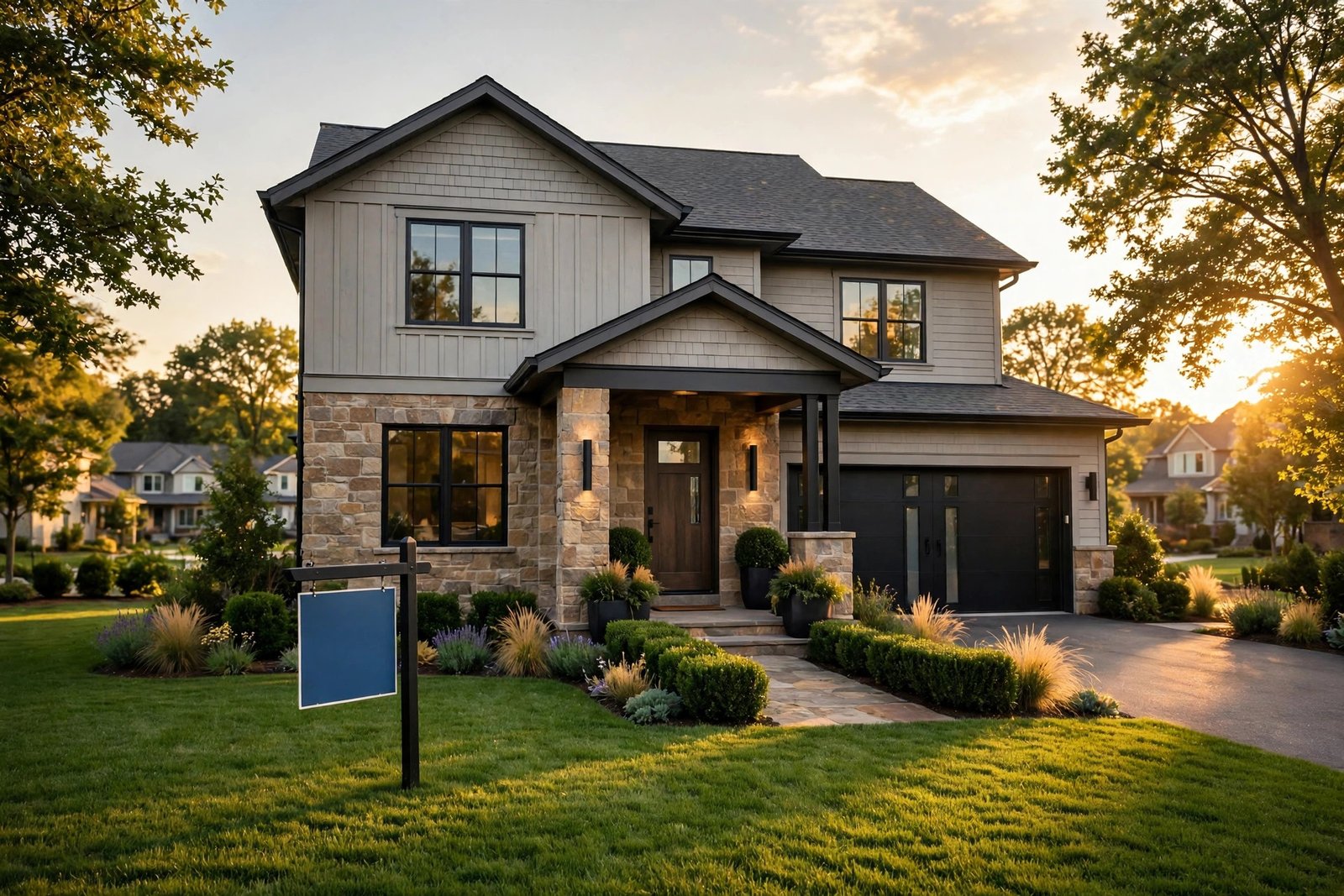
When you need to sell your house fast — a job relocation, a financial crunch, a divorce, an inherited property draining your savings — the standard advice is to slash the price. But dropping the price is the most expensive way to buy speed, and it’s often unnecessary. Homes sell quickly at full market value every day; the difference is preparation, pricing strategy, and presentation, not desperation discounts.
This guide covers how to sell fast without leaving money on the table: the pricing psychology that attracts immediate offers, the preparation checklist that compresses your timeline, marketing tactics that multiply your buyer pool, and when a fast sale genuinely requires a price adjustment.
Price It Right, Not Low: The Strategy That Sells Fastest
Counterintuitively, the fastest-selling homes are usually priced at or just below market value — not far below it. Pricing slightly under market (1–3%) creates urgency and can trigger multiple offers that push the final price above asking. Pricing far below market, on the other hand, makes buyers suspicious (“what’s wrong with it?”) and leaves money on the table for no reason.
Get a proper comparative market analysis from your agent based on sold comps from the last 90 days — not active listings, which reflect hope, not reality. In a balanced market, a correctly priced home in good condition typically goes under contract in 2–4 weeks. If you need it gone in days, price at the low end of the comp range rather than below it; you’ll attract immediate attention without signaling distress. Understanding what a good real estate agent actually does matters here — pricing expertise is the highest-value service an agent provides.
The 72-Hour Prep Blitz
Speed comes from being market-ready before you list, not from discounting after you list. Declutter ruthlessly — rent a storage unit for a weekend and remove half your belongings. Buyers can’t see past clutter, and cluttered homes photograph terribly. Deep-clean everything, including baseboards, windows, and grout; a $300 professional clean returns many times over in perceived value.
Fix the small things that scream neglect: dripping faucets, cracked switch plates, squeaky doors, burned-out bulbs. These cost almost nothing but shape the buyer’s entire impression. Outside, mow, edge, mulch the beds, and paint the front door — first impressions form in the first 30 seconds. For high-impact cheap upgrades, these budget curb-appeal improvements consistently deliver the best return per dollar. A weekend of focused prep can easily shave weeks off your time on market.
Marketing That Multiplies Your Buyer Pool
Most buyers decide whether to visit based on online photos alone, so professional photography is non-negotiable for a fast sale — listings with pro photos sell measurably faster than phone snapshots. Add a 3D virtual tour and a floor plan; they pre-qualify serious buyers and reduce wasted showings.
Launch like an event, not a whimper. List on a Thursday, hold an open house that weekend, and have your agent push the listing to their buyer network before it hits the portals — pre-market buzz creates the urgency of a debut. Write a listing description that sells the lifestyle, not just the specs: “morning coffee on the sun-drenched deck” beats “3BR/2BA, 1,400 sq ft.” And make showings effortless: lockbox access, flexible hours, and a home that’s always show-ready. Every friction point — “showings by appointment only with 24 hours’ notice” — costs you buyers and days.
Offer Terms That Accelerate the Sale
You can buy speed with terms instead of price cuts. Offer a flexible closing timeline, consider covering a point of the buyer’s closing costs, or include desirable items (riding mower, patio furniture, washer/dryer) that make your home the obvious choice among similar listings. Pre-inspecting your own home is a power move for speed: it lets you fix issues upfront and offer buyers confidence, which shortens their due-diligence period.
Be decisive when offers arrive. In a fast-sale scenario, counter quickly — within hours, not days — and don’t squeeze the last $2,000 out of a solid offer at the risk of losing a qualified buyer. A bird in hand is worth real money when you’re paying two housing costs or racing a relocation deadline. The National Association of Realtors publishes regular data on what actually shortens time-on-market, and decisive sellers consistently outperform patient ones. Research from HUD’s housing market analyses similarly shows that correctly priced homes in the first two weeks attract stronger offers than identical homes reduced later — early pricing discipline beats later discounting every time.
When a Price Cut Is Actually the Right Move
Sometimes the market is telling you something. If you’ve had strong showing traffic but no offers after 2–3 weeks, or your agent’s feedback consistently mentions price, a strategic reduction beats stubbornness — every additional month on market costs you carrying costs and invites lower offers anyway. But cut decisively: a single meaningful reduction (3–5%) to the correct price works; a drip of tiny $2,000 cuts signals desperation and trains buyers to wait for the next one.
Before cutting, audit everything else first: are the photos professional? Is the home truly show-ready? Is your agent marketing aggressively or just waiting? Price is the usual suspect, but presentation and exposure are accomplices. Fix those before touching the number.
Conclusion
Selling fast without lowering the price is absolutely achievable: price strategically at the smart end of market value, blitz the preparation in one focused weekend, launch with professional marketing, and use flexible terms to create urgency. Price cuts are a last resort, not a first move — and when the fundamentals are right, speed and full value arrive together. The sellers who net the most in the least time are rarely the ones who discounted first; they’re the ones who prepared best, priced smartest, and negotiated most decisively from day one.
Frequently Asked Questions
How fast can I realistically sell my house?
A well-priced, well-presented home in a normal market typically goes under contract in 2–4 weeks, with closing 30–45 days later. Cash buyers and pre-inspected homes can compress this further. If you need a guaranteed fast close, iBuyers and investor offers close in 7–14 days but typically pay 5–15% below market — a real cost for that speed.
Does staging really help sell faster?
Yes — staged homes photograph better, show better, and sell faster on average than vacant or cluttered ones. You don’t need full professional staging; decluttering, depersonalizing, and arranging furniture to show space and light captures most of the benefit for a fraction of the cost.
Should I sell to an investor for cash instead of listing?
Only if speed matters more than price. Cash investors close fast with no contingencies, but their offers run meaningfully below market value. For most sellers, 2–3 weeks of proper marketing earns far more than the convenience discount costs. Get an investor quote as a fallback floor, then list properly.
What if my house isn’t selling after a month?
After 30 days with no offers, something is wrong — usually price, presentation, or exposure. Get blunt feedback from your agent and from buyers’ agents who showed it. Refresh the listing with new photos, consider a strategic price adjustment, and re-launch. Stale listings need a reset, not just patience.