
 By admin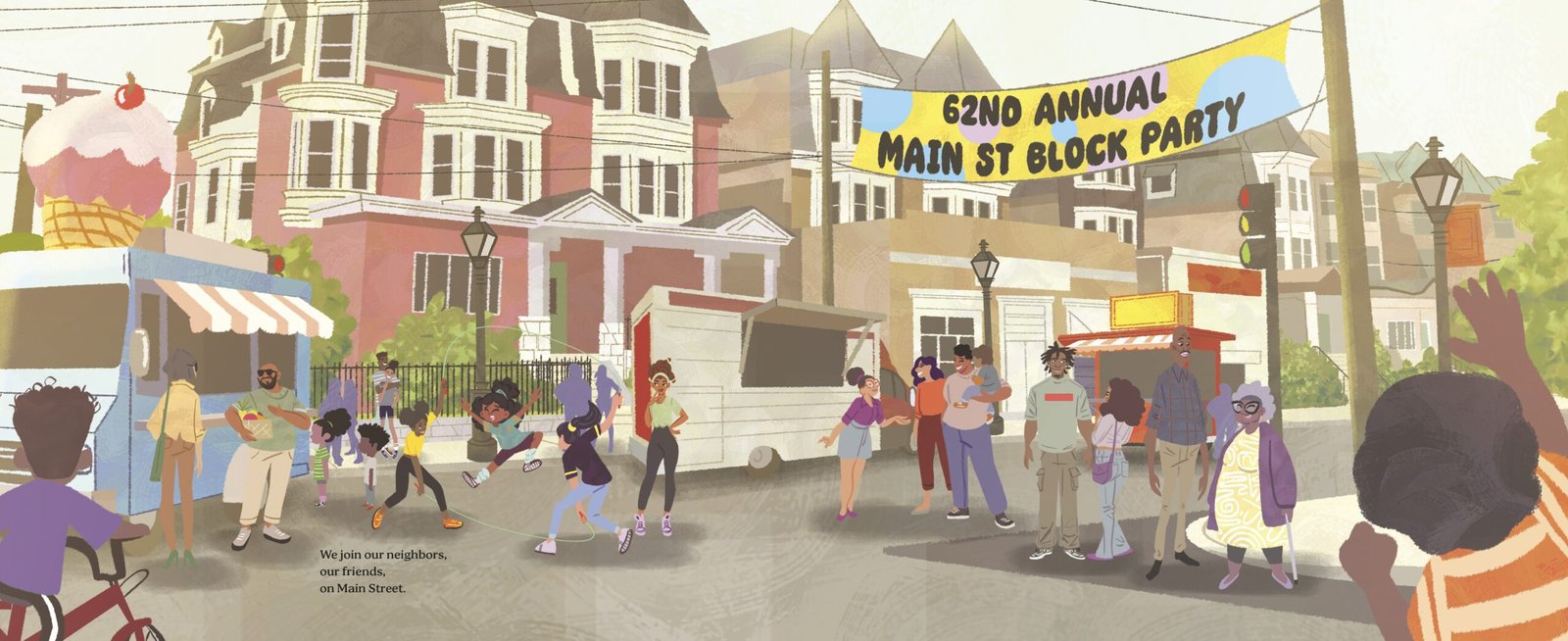
There’s something magical about a block party — your street closed to traffic, neighbors you wave at becoming neighbors you actually know, kids running free, the smell of grills going all down the block. In an era where many of us barely know our neighbors’ names, a block party is the fastest way to build real community. I’ve helped organize several, from small cul-de-sac gatherings to full-street events with 200 people. Here’s the complete guide, from permits to cleanup.
Step 1: Check the Rules (Permits and Permissions)
Before anything else, find out what your city requires:
- Street closure permit. Most cities require a permit to close a residential street, usually from the transportation or public works department. Apply 4-8 weeks ahead — some cities need more lead time. Fees range from free to $100-200.
- Noise ordinances. Know your city’s quiet hours. Most block parties run 12-8 PM to stay safely within limits.
- Alcohol rules. Open-container laws vary wildly. Some cities allow it with a permit; others prohibit alcohol on public streets entirely. Know before you plan — or keep drinks in yards/driveways (private property) rather than the street.
- Insurance. Some cities require liability insurance for street closures. Your homeowner’s association or a neighborhood association policy may cover it; event insurance for a day runs $75-150.
- Notify emergency services. Your permit application usually handles this, but confirm — fire and police need to know the street is closed.
If permits sound daunting, start smaller: a driveway/yard party across 3-4 neighboring houses needs no permits at all and captures 80% of the block-party magic.
Step 2: Build Your Team
Don’t organize alone — you’ll burn out. Recruit 4-6 neighbors for a planning committee:
- One coordinator (you, probably) — big picture, timeline, permits.
- Food lead — potluck organization, grill coordination.
- Activities lead — games, entertainment, kids’ stuff.
- Logistics lead — tables, chairs, barricades, cleanup.
- Communications lead — flyers, group chat, day-of announcements.
Meet twice: once 6 weeks out (planning), once 1 week out (final check). Everything else happens in a group chat. Assign clear ownership — “someone should handle games” means no one handles games.
Step 3: Spread the Word
- Flyers in mailboxes (4 weeks out). Date, time, location, what to bring, contact info, RSVP request. Bright paper, big font. Include a QR code linking to a sign-up form.
- Group chat or email list. For updates and coordination. Nextdoor works well for this.
- Door-knocking (2 weeks out). The personal touch matters enormously — especially for older neighbors or newcomers. A 2-minute “hey, we’re doing this, we’d love you to come” converts better than any flyer.
- Reminder (3 days out). Final details: what to bring, where to park, schedule of events.
Step 4: Plan the Food
Potluck is the block-party standard — it distributes cost and effort, and the variety is unbeatable:
- Sign-up sheet with categories. Use a shared spreadsheet: mains, sides, desserts, drinks, supplies. Assign by street number or last name to balance categories (you don’t want 14 desserts and no mains).
- Coordinate the grills. 2-3 grills running burgers and dogs covers the main course. Assign grill masters in shifts — nobody wants to grill for 6 hours straight.
- Account for dietary needs. Ask on the sign-up form. Ensure vegetarian, and ideally vegan and gluten-free, options. Label everything.
- Drinks station. Coolers with water, sodas, and ice. BYOB for alcohol (simpler than providing). A big batch of lemonade is the classic crowd-pleaser.
- Don’t forget supplies. Plates, napkins, cups, utensils, trash bags, serving spoons. Assign this as a specific sign-up category — it’s always forgotten otherwise.
For menu inspiration, BBQ side dishes scale perfectly to block-party quantities.
Step 5: Plan Activities for All Ages
- Kids: Water balloon toss, three-legged race, face painting, chalk art contest, piñata, bike parade, scavenger hunt. A bounce house rental ($150-250) is the nuclear option — worth it if the budget allows.
- Adults: Cornhole tournament (bracket-style with prizes), horseshoes, trivia about the neighborhood, live music (a neighbor with a guitar, or a local band).
- Everyone: Pie-eating or hot-dog-eating contest, talent show (the brave and the hilarious), group photo (hire a photography student for $50, or just designate someone with a good camera).
- The classic: A parade — kids decorate bikes and wagons, everyone marches the length of the block. Simple, joyful, photogenic.
Step 6: Day-Of Logistics
- Morning setup crew (9 AM). Barricades at both ends (your city usually provides these with the permit), tables and chairs, pop-up tents for shade, trash stations every 50 feet.
- First aid kit and sun protection. Sunscreen available, a shaded rest area, plenty of water. Assign someone to watch for heat issues with kids and older adults.
- Timeline. Post a schedule: 12 PM kickoff, 1 PM games, 3 PM pie contest, 5 PM group photo, 7 PM wind-down. Structure prevents the “now what?” lulls.
- Sound. A Bluetooth speaker with a collaborative playlist works. Live music is better if you can arrange it. Keep volume neighbor-friendly (remember — the neighbors are the party, but the next street over isn’t).
- Cleanup crew. Recruit in advance (offer first dibs on leftovers as incentive). Many hands: 30 minutes. Three tired organizers: 3 hours. Plan accordingly.
Budget (Typical Block Party, 50-100 People)
- Permit: $0-150
- Barricades/tables/chairs rental: $100-200 (or borrow from neighbors/churches — free)
- Supplies (plates, trash bags, etc.): $75-100
- Activities (bounce house optional): $0-250
- Ice and drinks: $50-75
- Total: $225-775 — split via voluntary contributions ($5-10 per household) or a neighborhood fund. Potluck keeps food costs at zero for organizers.
Organize a Neighborhood Block Party: Quick Answers
Do I need a permit for a block party? For closing a street: usually yes — apply 4-8 weeks ahead through your city’s transportation or public works department ($0-200). For a multi-yard/driveway party on private property: no permit needed, and you get 80% of the magic.
How much does a block party cost? Typically $225-775 for 50-100 people: permit, table/chair rental (or borrowed free), supplies, activities. Split via $5-10 voluntary contributions per household. Potluck food keeps organizer costs near zero.
How do I get neighbors to actually come? Door-knocking beats flyers — a 2-minute personal invitation converts far better than paper. Start planning visibly early, make the first one simple, and success compounds: year one’s attendees recruit year two’s.
What if it rains? Have a rain date announced from the start, or a scaled-back “porch party” fallback. Pop-up canopies cover food and equipment. Don’t cancel for light rain — some of the best block parties happened under clouds.
Add structure to the festivities with game night hosting tips scaled up for a crowd.
If your block party is potluck-style, review FoodSafety.gov outdoor food safety tips.
Practical Takeaway
A great block party = permits filed 6 weeks out + a 5-person planning team + potluck with categorized sign-ups + activities for every age + clear day-of timeline + recruited cleanup crew. Total cost: a few hundred dollars split across households. The payoff — knowing your neighbors, kids with street-freedom, a community that looks out for each other — is worth infinitely more. Start with the permit application this week; everything else follows.