
 By admin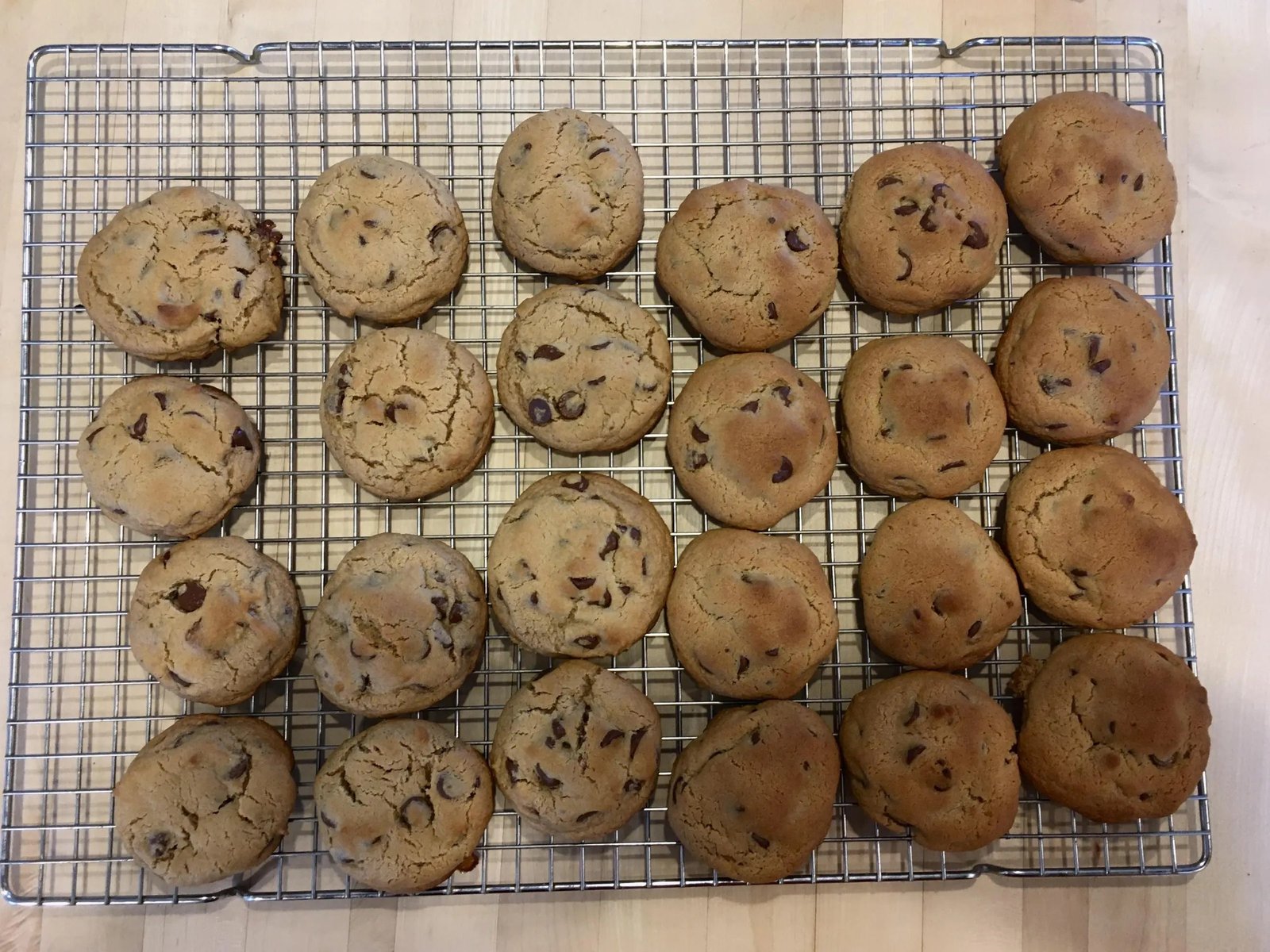
The perfect cookie, in my opinion, is crisp at the very edge, chewy through the middle, and soft for days — not just the first hour. But most homemade cookies follow a tragic arc: amazing warm from the oven, pretty good that evening, and crunchy little pucks by day two. I’ve spent years chasing the soft-cookie ideal, and I’ve learned it’s not about one secret ingredient. It’s about five small decisions that add up.
Here’s everything I know about baking cookies that stay soft, from mixing bowl to storage tin.
Start With the Right Fat and Sugar
Butter versus shortening versus oil isn’t just a preference — it changes texture fundamentally. Butter gives the best flavor but produces a slightly crisper cookie because of its water content. For maximum softness, use melted butter rather than softened: melted butter creates a denser, chewier cookie (think brownies versus cake). Even better, brown the butter first for a nutty depth that makes people ask what your secret is.
Sugar choice matters enormously. White sugar makes crisp cookies; brown sugar makes soft ones. Brown sugar contains molasses, which is hygroscopic — it attracts and holds moisture. A recipe with more brown sugar than white sugar will stay soft dramatically longer. My go-to ratio for soft chocolate chip cookies is 3/4 cup brown sugar to 1/4 cup white. You can also add a tablespoon of molasses directly for extra chew.
The Cornstarch Trick (and Other Texture Boosters)
Add 1 to 2 teaspoons of cornstarch to your dry ingredients. Cornstarch interferes with gluten formation just enough to make cookies more tender, and it helps them hold moisture. It’s the reason bakery-style cookies have that thick, soft, almost cake-like bite. This is the single easiest upgrade on this list — you probably have cornstarch already.
Other softness boosters worth knowing:
- An extra egg yolk. Replace one whole egg with two yolks, or just add an extra yolk to the recipe. Yolks add fat and emulsifiers without the drying protein of whites. Richer, softer, chewier.
- Cream cheese. Two tablespoons of softened cream cheese in the dough adds moisture and a subtle tang that makes chocolate chip cookies taste like the expensive bakery kind.
- Instant pudding mix. A small box of vanilla instant pudding mix (just the powder) added to the dry ingredients is the old church-cookbook secret for cookies that stay soft for a week. It sounds weird. It works brilliantly.
Bake Cookies That Stay Soft: Don’t Overbake
If you take one thing from this article, let it be this: pull your cookies when they look underdone. The centers should look slightly soft and puffy, with edges just set and barely golden. They’ll look wrong. They’ll look like they need two more minutes. Take them out anyway.
Cookies continue cooking on the hot baking sheet for several minutes after you pull them (carryover cooking, same principle as steak). If they look “done” in the oven, they’ll be overdone by the time they cool. I pull my chocolate chip cookies at 10 minutes when the recipe says 12, and they’re perfect every time. Let them sit on the baking sheet for 5 minutes, then move to a rack.
Also: bake one test cookie first. Ovens lie — yours might run 25 degrees hot. One sacrificial cookie tells you the real timing for your oven, your pan, your dough.
Chill the Dough
Chilling cookie dough for at least 30 minutes (or up to 72 hours) does three wonderful things: it solidifies the fat so cookies spread less and bake thicker, it hydrates the flour for better flavor, and the resting time lets the sugars develop a subtle toffee note. The difference between same-day dough and overnight-rested dough is genuinely noticeable — deeper flavor, chewier texture, better browning. If you have the patience, a 24-hour rest is the sweet spot.
Storage: Where Softness Lives or Dies
You can bake the perfect soft cookie and ruin it with bad storage. The rules:
- Airtight container, always. A cookie tin with a loose lid, a plate covered in foil — these let moisture escape and cookies go crisp within a day. Use a container with a real sealing lid.
- The bread trick. Toss a slice of plain sandwich bread into the container with your cookies. The cookies absorb moisture from the bread (which goes stale instead of them). Replace the bread slice every couple of days. This old trick genuinely works — it’s food science, not folklore.
- Don’t mix crisp and soft cookies. Store them separately, or the soft ones will crisp up and the crisp ones will go soggy as moisture equalizes.
- Room temperature, not the fridge. Refrigeration accelerates staling in baked goods (retrogradation of starch, if you want the technical term). Counter storage in an airtight container keeps cookies soft for 4 to 5 days.
- Freeze for longer storage. Baked cookies freeze beautifully for up to 3 months. Even better: freeze balls of raw dough, and bake fresh cookies on demand — 1 to 2 extra minutes from frozen, and you get warm soft cookies whenever you want them.
Reviving Cookies That Went Hard
Already have a batch of crunchy pucks? All is not lost. Microwave a cookie for 10 to 15 seconds — the heat softens the sugars and it tastes fresh-baked for about five minutes. Or put them in the container with the bread slice trick overnight; it can partially rescue them. Worst case, crumble them over ice cream. No one has ever been sad about cookie crumble on ice cream.
The Academy of Nutrition and Dietetics offers guidance on portion balance for homemade treats.
Practical Takeaway
Soft cookies that stay soft come from: more brown sugar than white, melted butter, a teaspoon or two of cornstarch, an extra egg yolk, pulling them from the oven early, and airtight storage with the bread-slice trick. Master these and your cookies will still be soft on day four — if they last that long. Put your skills to the test with a batch of three-ingredient peanut butter cookies, or go egg-free with a cake that skips eggs entirely.
[…] you enjoy egg-free baking, try these soft-baked cookies that stay soft for days […]