
 By admin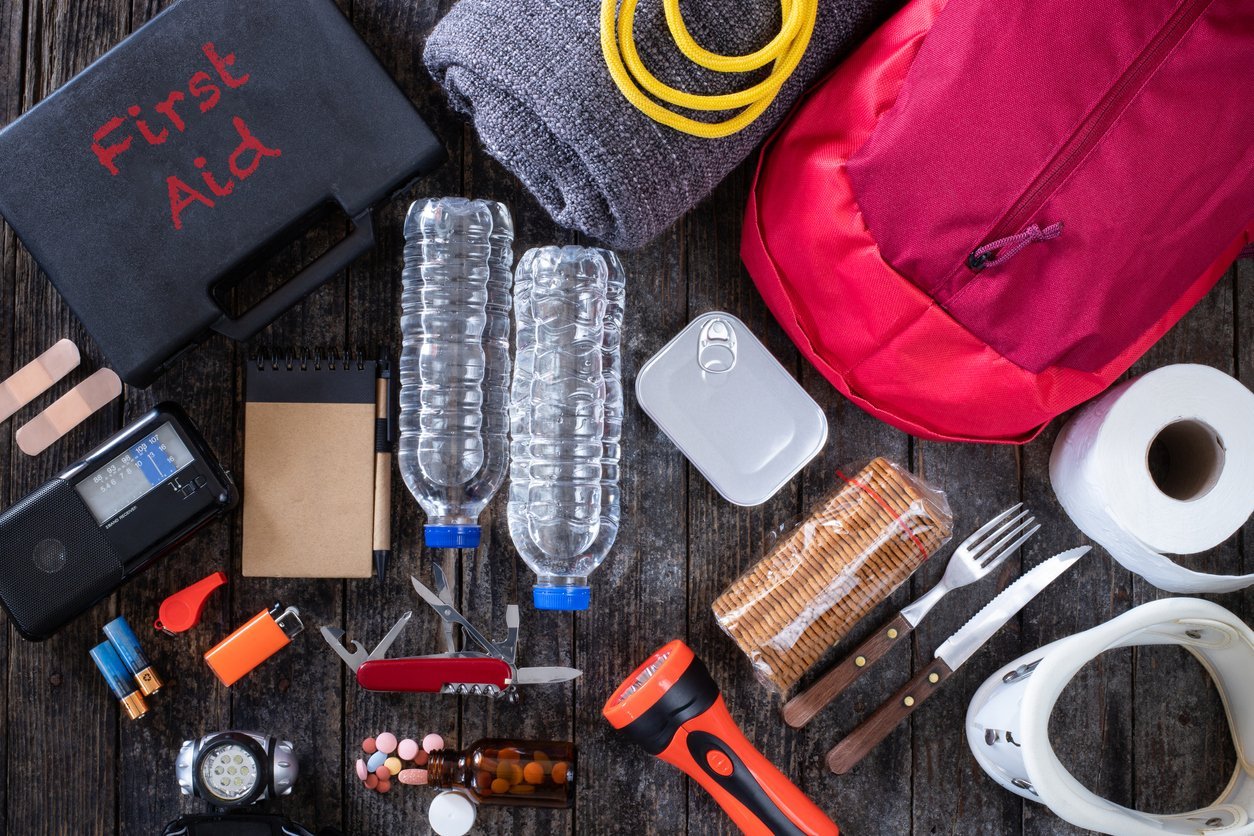
Power outages, storms, wildfires, water main breaks — most emergencies aren’t apocalyptic, they’re inconvenient in ways that become dangerous without preparation. If you’re asking what should I pack in an emergency kit for my home, emergency management agencies recommend every household be ready to handle 72 hours without outside help. That’s not doomsday prepping; it’s basic adulting. Here’s the complete checklist.
The 72-Hour Rule
Why 72 hours? Because that’s the realistic window for emergency services to reach everyone after a major disruption. Your kit bridges the gap between “something happened” and “help arrived.” The good news: most of it is stuff you already own, gathered in one place. The Ready.gov emergency preparedness hub (run by FEMA and the Department of Homeland Security) is the authoritative source behind this checklist — bookmark it for your area’s specific risks.
What Should I Pack in an Emergency Kit for My Home? The Core Checklist
Water: one gallon per person per day, for three days minimum. That’s 12 gallons for a family of four — bulky, so store it and rotate every six months. Add a portable water filter or purification tablets as backup; they’re cheap insurance.
Food: a three-day supply of non-perishables requiring no refrigeration or cooking: peanut butter, canned tuna and beans, dried fruit, nuts, granola bars, crackers. Don’t forget a manual can opener — the electric one is useless in an outage. Rotate food yearly; tie it to daylight saving time changes so you remember.
Light and power: flashlights (one per person) plus a headlamp, extra batteries, and a hand-crank or battery radio for emergency broadcasts. A portable phone charger (charged!) and a small power bank complete the set. Candles work but flashlights are safer — see our flame-free lighting ideas for everyday ambiance, but in emergencies, LED all the way.
First aid: a real first-aid kit, not the dusty one from 2019 — bandages, gauze, antiseptic, pain relievers, antihistamines, tweezers, medical tape, and any personal essentials. Take a basic first-aid/CPR class if you haven’t; the kit helps only if someone knows how to use it.
Warmth and shelter: emergency blankets ($2 each, shockingly effective), sleeping bags, a change of clothes per person in a waterproof bag, and sturdy shoes. If you live where winters bite, add hand warmers and extra layers.
Hygiene: moist towelettes, hand sanitizer, garbage bags (dozens of uses), toilet paper, feminine supplies, diapers and wipes if applicable. Unpleasant to think about; miserable to lack.
Tools: multi-tool or knife, duct tape, plastic sheeting, wrench or pliers (to shut off utilities), whistle (to signal for help), and local maps — paper ones, because GPS dies with the grid.
Documents, Cash, and Contacts
Keep waterproof copies (physical or on an encrypted USB) of: IDs, insurance policies, bank account info, medical records and prescriptions, and emergency contacts. Store originals in a fireproof safe or safe-deposit box. And keep cash in small bills — ATMs and card readers fail in outages. $200-300 in small denominations covers most short emergencies. Add a written list of emergency numbers; you won’t remember them under stress, and your phone might be dead.
Don’t Forget the Whole Family
- Medications: a 7-day supply of prescriptions, rotated regularly. Talk to your doctor about an emergency backup supply.
- Kids: formula, diapers, comfort items (a familiar stuffed animal prevents meltdowns when everything else is scary), games and books for distraction.
- Pets: three days of food and water, leash/carrier, medications, vaccination records, and a familiar blanket. Pets are family — plan their evacuation too. Our pet care guide covers their daily needs; the kit covers the emergency ones.
- Elderly or disabled family: extra medications, mobility aids, backup power for medical devices — plan for their specific needs explicitly.
Where to Keep It (and How to Maintain It)
Store the kit somewhere accessible — a hall closet, under a bed, the garage near the door — not buried in the attic. Use clear bins labeled by category so anyone in the household can find things. Then maintain it: check twice a year (tie it to smoke-detector battery changes) for expired food, dead batteries, outgrown kids’ clothes, and changed medications. A kit you built in 2023 and never touched is barely better than no kit.
Also make a go-bag version — a backpack per person with 24 hours of essentials — for evacuations. Same contents, portable format, by the front door.
Know Your Local Risks
The generic kit covers everything, but tailor it: earthquake country adds sturdy shoes by every bed; hurricane zones add plywood and shutters; wildfire areas add N95 masks and go-bags by the door; winter storm regions add a car kit (blankets, snacks, shovel, cat litter for traction). Check Ready.gov’s hazard pages for your zip code and adjust accordingly.
Start This Weekend
- Gather what you already own into one spot (you’ll be surprised how much you have).
- Buy the gaps: water containers, batteries, first-aid supplies, emergency blankets — under $100 total for most families.
- Copy documents; stash cash; write the contact list.
- Walk the family through it: where it is, what’s inside, when to use it.
- Set a 6-month calendar reminder to check and rotate.
Don’t Forget the Car Kit
Emergencies happen on the road too. Every vehicle should carry: a blanket, phone charger, water bottles, granola bars, a flashlight, jumper cables (or a jump-starter pack), a basic first-aid kit, and seasonal gear — ice scraper and cat litter (for traction) in winter, extra water and sunshade in summer. Keep the gas tank above half in storm season; gas stations lose power too. A $40 car kit turns a stranded-in-a-snowstorm nightmare into an uncomfortable-but-safe wait. Check it when you check the home kit — twice a year, same reminder.
Preparedness isn’t paranoia — it’s the thing that turns a scary 48 hours into an annoying 48 hours. Build the kit this weekend; future-you will be grateful.
One more thing: talk to your neighbors. The most resilient households in any disaster are the ones on connected streets — people who know who needs help, who has a generator, who has medical training. Preparedness is partly a kit and mostly a community. Build both, starting this weekend.