
 By admin
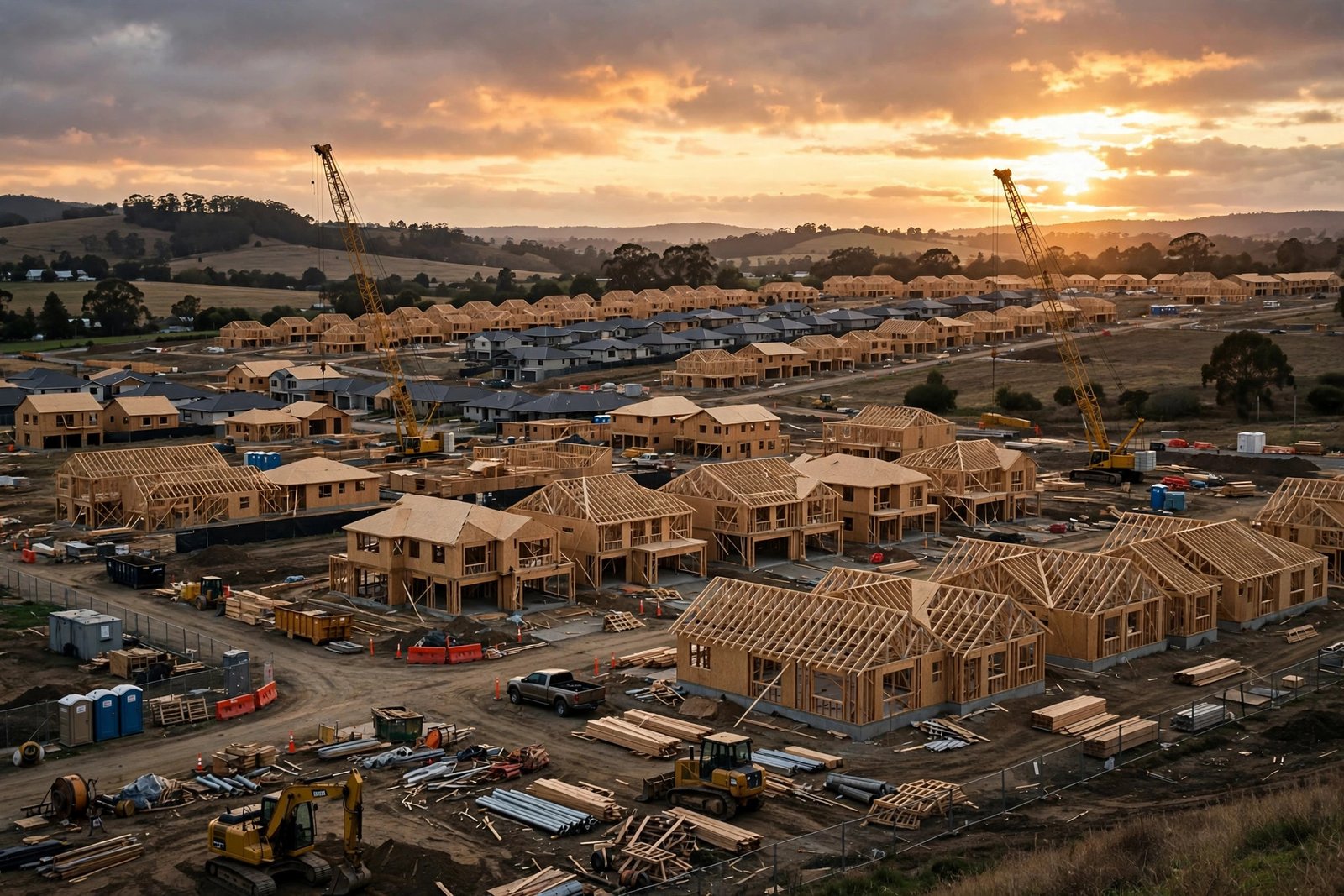
That brand-new subdivision on the edge of town is seductive: the model home smells like fresh paint, everything gleams, and the builder’s agent mentions an “incentive package” with a reassuring smile. New construction homes routinely list 10–20% above comparable resale homes nearby — the “new premium.” The question every buyer should ask before signing: is that premium buying you real value, or are you paying extra for the smell of fresh carpet?
Sometimes new construction is genuinely worth it — modern energy codes, builder warranties, and customization have tangible economic value. Sometimes the premium evaporates the moment you close, as the home appraises against resale comps and your “investment” starts underwater. Here’s how to evaluate the premium honestly, negotiate with builders (yes, it’s possible), and avoid the traps unique to new builds.
What the New-Construction Premium Actually Buys
Tangible value
Modern building codes deliver measurably better energy efficiency — new homes use roughly 30% less energy than homes built before 2000, saving $500–$1,500 annually on utilities. Builder warranties (typically 1 year bumper-to-bumper, 2 years on systems, 10 years on structure) eliminate the maintenance roulette of resale homes. Everything is new: roof, HVAC, appliances, plumbing — your CapEx clock starts at zero. Smart-home infrastructure, modern floor plans, and current electrical capacity come standard rather than as $30,000 retrofits.
Customization
Choosing finishes, layouts, and upgrades means the home fits your life from day one — no renovation disruption, no compromise kitchens. But customization is also the profit center: builder design centers mark up upgrades 40–100% over retail. That $8,000 quartz upgrade costs $3,500 from an independent fabricator after closing.
Intangible value
There’s genuine psychological value in being the first owner — no mystery stains, no inherited problems, no wondering what the previous owner hid. Don’t dismiss this, but don’t pay $40,000 for it either.
Where the Premium Breaks Down
The premium’s dark side shows up in four places. First, appraisal risk: appraisers value against comparable sales, and in new subdivisions the best comps are often the builder’s own recent sales — a circular logic that can collapse when you refinance or sell and the appraiser must use arm’s-length resales. Buyers regularly discover their new home appraises 5–10% below what they paid.
Second, lot premiums and upgrades don’t hold value. That $25,000 lot premium for facing the pond? Appraisers credit a fraction of it. The $40,000 in design center upgrades? They depreciate like a new car’s options package. Third, new subdivisions lack established comps, mature landscaping, and proven resale patterns — you’re buying into a thesis about the neighborhood, not its track record. Fourth, construction quality varies wildly: production builders optimizing for speed can deliver homes with real defects — improper flashing, HVAC shortcuts, foundation issues — which is why independent inspections on new builds are non-negotiable.
The Census Bureau’s new residential sales data tracks pricing trends — compare new-home median prices against existing-home medians in your market to see exactly how large your local premium runs.
Negotiating With Builders: What Actually Works
Builders negotiate differently than resale sellers. They fiercely protect headline prices (because every sale becomes a comp for the next), but they’re flexible on everything else. Effective levers: design center credits ($10,000–$30,000 in free upgrades), closing cost contributions (builders’ preferred lenders often offer rate buydowns worth tens of thousands), lot premium waivers, appliance packages, fencing and landscaping allowances, and extended rate locks.
Timing is leverage. Builders negotiate most aggressively at fiscal quarter-end, when standing inventory (“spec homes”) has sat 90+ days, and during slow seasons. A completed spec home the builder is carrying costs on is far more negotiable than a to-be-built home. And bring your own agent — the builder’s on-site agent represents the builder. Your agent (whose commission the builder typically pays) provides the only independent advice in the sales office. Get everything in writing; verbal promises from sales agents evaporate.
The Hidden Costs of New Construction
Budget beyond the base price: design center upgrades ($20,000–$80,000 typical), lot premiums ($5,000–$50,000), window coverings for an entire house ($5,000–$15,000 — model homes never mention this), landscaping and fencing ($5,000–$25,000, often entirely your responsibility), and HOA dues that start the day you close. Property taxes deserve special attention: the assessed value jumps from vacant land to completed home, sometimes doubling or tripling the tax bill from what the builder quoted. Verify post-construction assessments with the county, not the sales office.
Also investigate the builder’s reputation like your money depends on it — because it does. Check your state’s contractor licensing board for complaints, read reviews filtering for construction quality (not sales experience), drive through the builder’s five-year-old subdivisions to see how homes age, and talk to current owners about warranty service responsiveness. A builder who fights warranty claims will cost you far more than any premium.
New Construction vs. Resale: The Honest Comparison
Run this comparison for your market: new construction at $550,000 vs. a 15-year-old resale at $480,000 in an established neighborhood. The $70,000 premium buys warranties, efficiency, and customization — but the resale offers mature trees, proven comps, established schools data, and $70,000 in your pocket (or a much smaller mortgage). Factor the resale’s likely near-term CapEx (roof age? HVAC age? — our roof cost guide helps price the biggest one) against the new home’s upgrade and landscaping costs. In many markets, a well-maintained 10-year-old home is the value sweet spot: modern enough for efficiency, old enough for honest pricing.
Energy costs tilt toward new: model the utility savings over your holding period. But appreciation patterns often favor established neighborhoods with constrained supply over new subdivisions where the builder keeps adding competing inventory next door — nothing suppresses your resale value like the builder selling the identical floor plan across the street for less.
Conclusion
The new-construction premium — typically 10–20% — is worth paying when you value warranties, efficiency, and customization highly, negotiate aggressively on upgrades and closing costs rather than headline price, vet the builder’s quality record, and budget the hidden costs (landscaping, window coverings, tax reassessment) honestly. It’s not worth paying when the premium stretches your budget thin, the subdivision lacks resale history, or comparable resales offer similar utility for far less. New doesn’t automatically mean better value — it means different value. Price the difference, don’t just feel it.
New builds still need pros for punch-list and warranty work — our guide to finding a reliable contractor for home repairs covers vetting, and the NAHB’s new-construction data tracks what builders are actually delivering in 2026.
Frequently Asked Questions
Can you negotiate the price of a new construction home?
Yes, though builders prefer conceding upgrades, closing costs, and rate buydowns over cutting headline prices. Standing inventory, quarter-end timing, and slow seasons maximize your leverage. Always bring your own buyer’s agent.
Do new construction homes appreciate?
They can lag initially — the “new premium” means you may start slightly underwater versus resale comps. Long-term appreciation follows the neighborhood and market, not the home’s age. New subdivisions where builders keep adding supply can suppress near-term resale values.
Should I get an inspection on a new build?
Absolutely — ideally two: a pre-drywall inspection (framing, plumbing, electrical before walls close) and a final inspection before closing. New homes have defects too, and the builder is obligated to fix documented issues under warranty.
What warranty comes with a new construction home?
Typical builder warranties: 1 year on workmanship/materials, 2 years on mechanical systems, 10 years on major structural defects. Read the exclusions carefully — “structural” is narrowly defined — and document every issue in writing during the warranty period.
How long does building a new home take?
Production builder homes: 4–8 months from contract to closing. Custom builds: 10–16+ months. Delays from permitting, labor, materials, and weather are common — build contingency into any lease or sale timing on your current home.