
 By admin
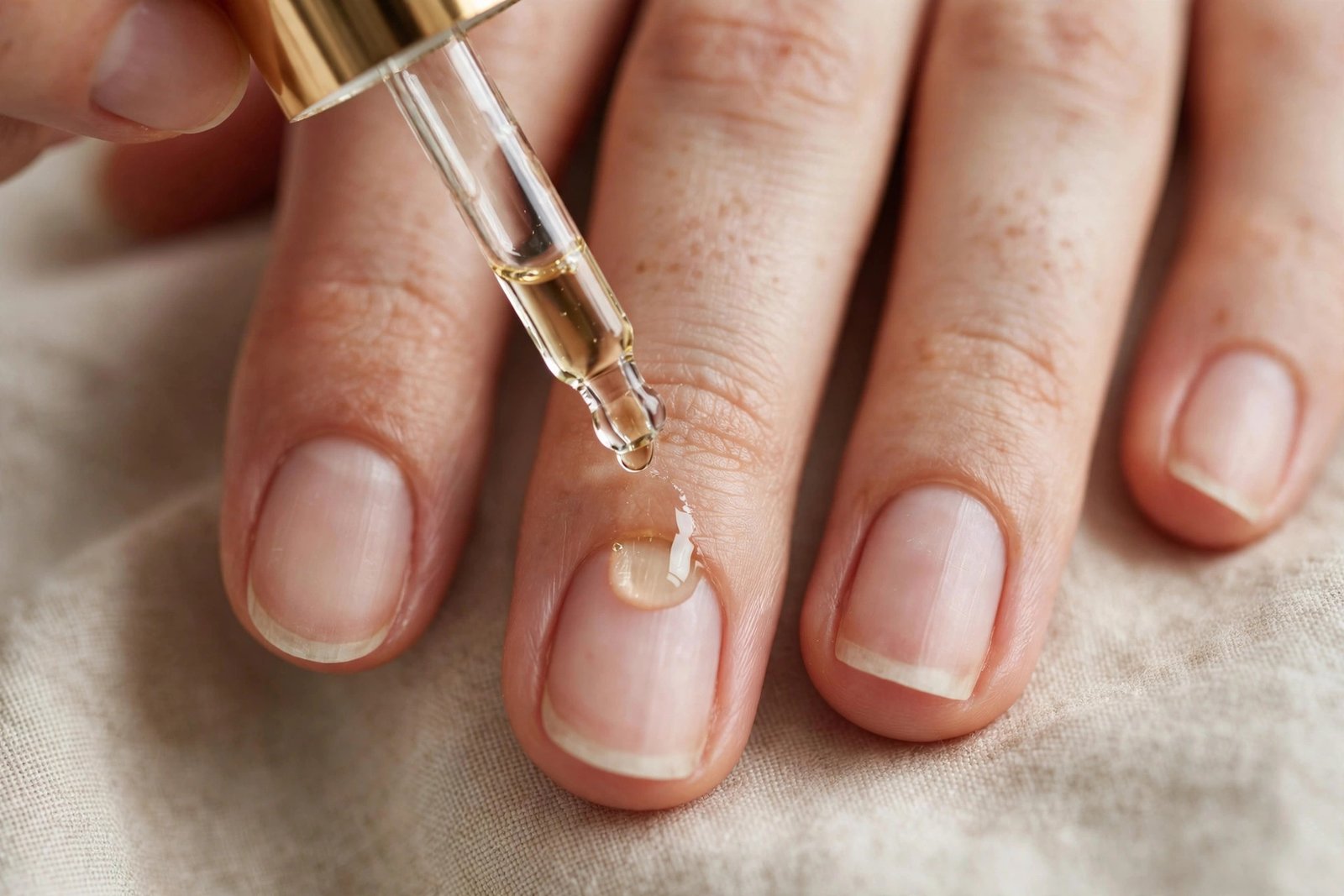
Strong, healthy nails don’t require biweekly salon appointments — they require consistent care, and most of what salons do for nail strength you can do at home for pennies. If your nails peel, split, or break the moment they grow past your fingertips, the problem is rarely genetics. It’s usually a combination of dehydration, mechanical damage, and missing protection — all fixable without a salon visit.
This guide covers the at-home routine that actually builds nail strength, the habits silently destroying your nails, nutrition’s real role, and when a nail problem needs a dermatologist instead of a manicure.
Why Nails Weaken (It’s Mostly Your Habits)
Nails are made of keratin, the same protein as hair, and they’re surprisingly porous — they absorb water, swelling and softening, then contract as they dry. Repeated wet-dry cycles (dishwashing without gloves, long baths, constant handwashing) are the #1 cause of peeling and splitting. Each cycle stresses the nail plate’s layered structure until layers separate.
The other major destroyers: using nails as tools (scraping, prying, opening cans), aggressive filing (sawing back and forth creates micro-tears), harsh removers (pure acetone occasionally is fine; daily use without moisturizing is brutal), and gel/acrylic damage from improper removal — peeling off gel polish rips up layers of your natural nail. The American Academy of Dermatology notes that most nail weakness is environmental and reversible with habit changes, not a condition requiring treatment.
The At-Home Strength Routine
Moisturize like you mean it. This is 80% of the battle. Apply jojoba oil, vitamin E oil, or even plain olive oil to nails and cuticles twice daily — jojoba’s molecular structure closely mimics skin’s natural oils and penetrates the nail plate effectively. At night, the occlusive method works wonders: oil, then cotton gloves over hand cream while you sleep. File correctly: always file in one direction with a fine-grit file (180+ grit), shaping to a gentle oval or squoval — sharp corners catch and break.
Protect with polish: even clear polish isn’t just cosmetic — it seals the nail plate against water absorption and adds a protective shell. A strengthening base coat with nylon fibers or keratin adds real reinforcement. Reapply a top coat every 2–3 days to prevent chipping, which exposes the nail to damage. Gloves for wet work: non-negotiable for dishes and cleaning — cotton-lined rubber gloves prevent both water damage and chemical exposure. These basics outperform most expensive salon treatments; for complementary skin care, see healthier skin without expensive products.
Habits to Break This Week
Biting and picking: the most destructive habit of all — it damages the nail matrix (where growth happens), causing permanent ridging. Bitter-tasting polishes help; keeping nails filed short and polished removes the temptation. Cutting cuticles: cuticles seal the nail bed against infection — pushing them back gently after a shower is fine, but cutting invites infection and damage. Peeling polish: every peel takes nail layers with it. Remove properly with remover and patience.
Skipping base coat: colored polish directly on bare nails causes staining and dehydration — always base coat. Using nails as tools: get a letter opener, use your knuckles for buttons, wear gloves for scrubbing. It sounds fussy, but “nails are jewels, not tools” is the mantra of everyone with long, strong natural nails. Each broken habit compounds — within 6–8 weeks of consistent care, you’ll see the new growth coming in visibly stronger. Budget-friendly product picks are covered in affordable skincare brands for dry skin, many of which make excellent hand and nail products too.
Nutrition: What Actually Helps (and What’s Hype)
Biotin gets the hype, but the evidence is modest — it helps some people with brittle nails at 2.5mg daily, though it can interfere with lab tests (tell your doctor you’re taking it). More reliably important: adequate protein (nails are protein — chronic low protein shows up in nails), iron (iron deficiency causes spoon-shaped, weak nails), and zinc. A balanced diet with eggs, fish, legumes, and leafy greens covers the bases for most people.
Hydration matters more than supplements — chronically dehydrated bodies grow drier, more brittle nails. Collagen supplements are trendy with thin evidence for nails specifically; they’re not harmful, but don’t expect miracles. The unglamorous truth: no supplement overcomes the damage of daily wet-dry cycles without gloves. Fix the habits first, then consider biotin if new growth is still weak after two months of good care. The Mayo Clinic’s nail health guide offers a balanced review of when nutrition actually moves the needle.
When It’s Not Just Weak Nails
Some nail changes signal medical issues worth a dermatologist visit: nails that suddenly become spoon-shaped (possible iron deficiency), yellowing with thickening (possible fungal infection), pitting (associated with psoriasis), dark streaks (needs evaluation to rule out melanoma), or nails that separate from the bed. Persistent brittleness despite good care for 3+ months also deserves a checkup — thyroid disorders commonly show up in nails.
Don’t try to treat suspected fungus with home remedies alone — over-the-counter antifungals have low cure rates for established nail fungus, and prescription options work far better. Similarly, if one nail is dramatically different from the others, that’s more concerning than all ten being uniformly weak. Your nails are a health dashboard; uniform weakness is usually habits, but asymmetric or sudden changes are information.
Conclusion
Keeping nails strong without salon visits comes down to moisture (oil twice daily), protection (gloves, base coats, no tool-use), gentle shaping (one-direction filing), and patience (nails grow ~3mm monthly, so full transformation takes 4–6 months). It’s unglamorous, cheap, and it works — the salon’s real secret was never the products, it was the consistency. Start tonight with oil and gloves, and your nails will tell the story by spring. Future you — typing with long, unbroken nails that never see a salon — will be glad you started with something as simple as a bottle of jojoba oil.
One more habit worth adopting: photograph your nails on the first of each month. Progress is gradual enough to be invisible day to day, but month-over-month photos make the improvement undeniable — and visible progress is the best motivation to keep the routine going.
Frequently Asked Questions
How long does it take to strengthen weak nails?
Fingernails grow about 3mm per month, so fully replacing a damaged nail takes 4–6 months. You’ll notice improvement in new growth within 6–8 weeks of consistent care. Patience is mandatory — there’s no product that accelerates the biology.
Are nail hardeners worth using?
Short-term, yes — they add a protective shell that prevents breakage while new growth comes in. Long-term, some formaldehyde-based hardeners can make nails more brittle with overuse. Use them as a bridge during the first couple months of your routine, then transition to regular base coats.
Does gelatin or drinking collagen help nails?
Evidence is thin. Gelatin is just cooked collagen protein — eating adequate protein generally matters more than any specific supplement. Biotin has the most (still modest) evidence among nail supplements. Focus on habits first; they’re proven.
Why do my nails peel in layers?
Layer peeling (onychoschizia) is almost always caused by repeated wet-dry cycles and mechanical stress — the nail plate’s layers delaminate. The fix: keep nails polished (seals against water), wear gloves for wet work, moisturize with oil daily, and file in one direction only. It resolves as new, protected growth replaces the damaged nail.