
 By admin
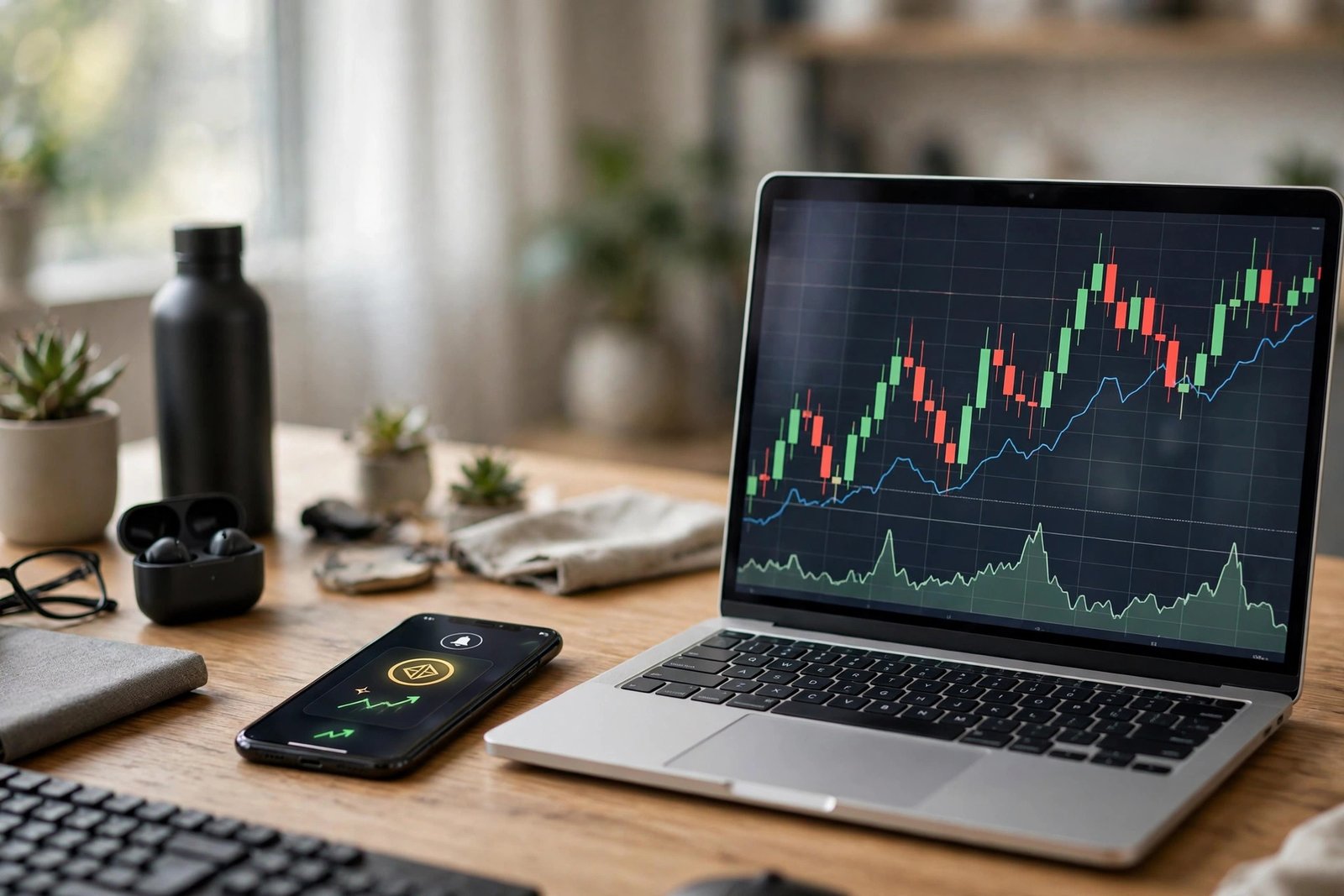
Crypto markets never sleep, and neither does the anxiety of watching them. The 3 a.m. price check, the compulsive phone glance during dinner, the “just one quick look” that becomes twenty minutes of chart-staring — constant monitoring is the fastest way to turn investing into a stress disorder. Price alerts are the cure: set your levels once, live your life, and let your phone tap you only when something actually deserves your attention.
This guide shows how to set up crypto price alerts that work — which tools to use, which alert types matter, and how to configure them so you’re informed without being enslaved.
Why Alerts Beat Watching (The Psychology)
Constant price-checking isn’t research — it’s anxiety wearing a lab coat. Behavioral finance research consistently shows that frequent portfolio checking increases stress and impulsive trading without improving returns; investors who check daily trade more and earn less than those who check monthly. Every glance at a red candle is a temptation to “do something,” and doing something is usually the mistake.
Alerts invert the relationship: instead of you monitoring the market, the market notifies you. You define in advance what matters (a 10 percent drop, a breakout above resistance, your target sell price), and everything between those lines is noise you’re now free to ignore. It’s the closest thing crypto has to a “set and forget” discipline tool.
The Alert Types Worth Setting
Price threshold alerts (the essentials)
The foundation: notify me when Bitcoin crosses $X. Set alerts at your buy targets (levels where you’d add to your position), your take-profit levels (decided in advance, when you’re calm), and your stop-loss considerations. Write these levels down when you set them — future-you, mid-panic, will thank present-you.
Percentage move alerts (the volatility guards)
“Alert me if Ethereum moves 8 percent in 24 hours” catches the violent moves that deserve attention regardless of absolute price. Particularly useful for altcoins, where a 15 percent swing can happen while you’re in a meeting.
Portfolio value alerts (the big picture)
Instead of tracking ten coins individually, set alerts on total portfolio value milestones. This keeps your attention on what actually matters — your net position — rather than individual coin drama.
Where to Set Alerts (Tools Compared)
Exchange apps: Every major exchange offers built-in price alerts — convenient since you’re already there, but limited to that platform’s listings and sometimes delayed. Fine as a baseline.
Dedicated tracker apps: Portfolio trackers offer the best alert systems — multi-exchange prices, portfolio-level alerts, and rich customization. Connect via read-only API keys (never grant trading or withdrawal permissions to a tracker) and set your full alert architecture here.
Widgets and browser extensions: For the desktop-bound, price tickers and extensions provide ambient awareness. Use sparingly — ambient awareness easily becomes ambient anxiety.
Whichever you choose, the security basics are non-negotiable: two-factor authentication on every account, unique passwords via a password manager, and read-only API permissions. An alert tool with withdrawal access is a catastrophe waiting for a data breach.
Building an Alert System That Doesn’t Spam You
The failure mode of price alerts is alert fatigue — forty notifications a day that you start ignoring, defeating the purpose. The fix is tiering. Tier 1 (immediate push): only your critical levels — stop-loss zones, major take-profit targets, violent portfolio moves. These should fire rarely. Tier 2 (daily digest): a single summary of notable moves, reviewed with morning coffee. Tier 3 (ignored): everything else — if it doesn’t trigger a predefined decision, it doesn’t deserve an alert.
A good rule: if an alert fires and your response is “huh, interesting” rather than a specific action, delete that alert. Every alert should map to a decision you made in advance. Alerts without decisions are just anxiety with better branding.
Alerts for Different Strategies
The long-term holder
You need almost no alerts: major drawdown levels (buy-the-dip targets) and your multi-year take-profit zones. Check quarterly. Your alert system should be nearly silent — that’s the point.
The active accumulator
Buy-target alerts at support levels, DCA reminders on schedule (calendar alerts work fine), and rebalancing thresholds. Your system automates the boring discipline of buying consistently.
The trader
Breakout/breakdown levels, volume spike alerts, and funding-rate extremes. But be honest: if you’re setting forty alerts, you’re not systematizing — you’re day-trading with extra steps. The investor education resources at investor.gov offer a useful reality check on active trading outcomes.
What Alerts Can’t Do (Honest Limitations)
Alerts don’t prevent losses — they just inform you faster. In a flash crash, your alert and your stop-loss may both arrive too late. Alerts don’t replace a plan; they execute the notification part of one. And no alert system fixes the underlying issue if your position sizes are so large that every notification spikes your cortisol. If alerts make you anxious, the problem might be the portfolio, not the notifications. The SEC’s guidance on volatile investments reinforces the same principle: risk management happens at position-sizing time, not alert time.
Alert Hygiene: The Quarterly Review
Alert systems decay. Markets change, your positions change, and the carefully designed notification architecture from January becomes a spam cannon by June. Schedule a quarterly 15-minute alert review: delete every alert that fired without triggering action, update levels that the market has left behind (a buy target from two crashes ago is archaeology, not strategy), and check whether your tiering still matches your actual behavior.
Ask three questions of each alert: did it fire in the last quarter? If yes, did I act on it? If no to either, it’s either miscalibrated or unnecessary — adjust or delete. The goal is a system that fires rarely and matters always. Most long-term investors end up with fewer than ten active alerts, and the best ones report months of silence punctuated by genuinely useful notifications. Silence isn’t a broken system; it’s a system working exactly as designed. Your attention is the scarcest asset in your portfolio — spend it where it compounds, not where it merely vibrates.
Conclusion
Setting crypto price alerts without constant checking means: define your decision levels in advance, use a dedicated tracker with tiered alerts (critical pushes, daily digests, silence otherwise), secure everything with 2FA and read-only keys, and delete any alert that doesn’t map to a specific action. Done right, alerts return crypto to its proper place in your life — an investment you check deliberately, not a slot machine you carry in your pocket.
Frequently Asked Questions
Are crypto price alert apps safe to use?
Reputable tracker apps are safe if you follow two rules: connect exchanges with read-only API keys (no trading or withdrawal permissions), and enable 2FA everywhere. Never enter your exchange password or seed phrase into a third-party app.
How many price alerts should I set?
Fewer than you think — 5–10 critical alerts across your portfolio is plenty for most investors. If you’re getting more than a couple of notifications daily, you’ve built an anxiety machine, not an alert system. Prune ruthlessly.
Can I set alerts for when to sell?
Yes, and you should — predetermined take-profit alerts are among the most valuable. Decide your sell targets when you’re calm and rational; the alert simply reminds you to execute the plan your clear-headed self made.
Do price alerts work for all cryptocurrencies?
Major coins are supported everywhere; obscure small-cap tokens may only have alerts on specialized trackers or their native platforms. If you can’t set a reliable alert for a coin, consider whether you should own something you can’t properly monitor.