
 By admin
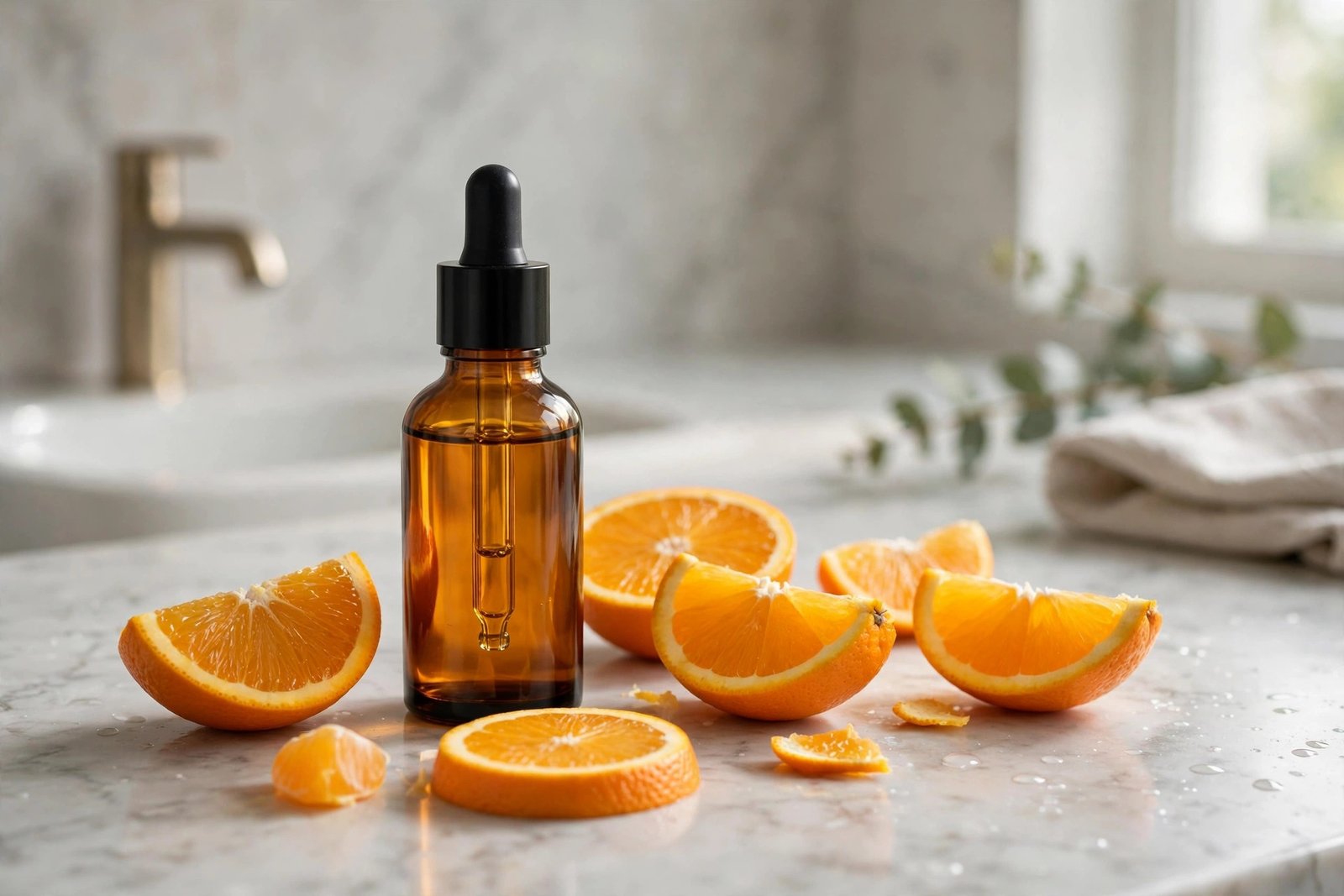
Somewhere between the $12 drugstore bottle and the $90 luxury serum, vitamin C serum became skincare’s most debated step. Dermatologists recommend it, influencers swear by it, and your friend insists it transformed her skin in three weeks. But is vitamin C serum actually worth adding to your routine in 2026 — or is it an overhyped extra that complicates a routine that was working fine?
The short answer: for most people, yes — with caveats about formulation, concentration, and expectations. Here’s what vitamin C actually does, who benefits most, and how to avoid the common mistakes that make people quit before it works.
What Vitamin C Actually Does for Skin
L-ascorbic acid — the pure form of vitamin C used in skincare — is one of the most researched topical antioxidants in dermatology. It does three well-documented things: neutralizes free radicals from UV and pollution (which is why dermatologists pair it with sunscreen, not as a replacement), inhibits the enzyme that produces melanin (fading dark spots and evening tone over time), and supports collagen synthesis (which matters for firmness as you age).
What it doesn’t do: erase deep wrinkles, work overnight, or replace sunscreen. Anyone promising dramatic results in a week is selling hope, not chemistry. Realistic timelines are 8–12 weeks of consistent use for visible brightening and tone improvement.
Who Benefits Most (and Who Can Skip It)
Vitamin C earns its place for people dealing with dullness, uneven tone, post-acne dark marks, or early signs of photoaging. If your main concerns are dryness or sensitivity, a good moisturizer and barrier repair will do more for you than any serum. And if your routine is already working beautifully with four products, the honest advice is: don’t fix what isn’t broken.
Sensitive skin types should proceed carefully — pure L-ascorbic acid at high concentrations can sting and irritate. The gentler derivatives (sodium ascorbyl phosphate, ascorbyl glucoside) trade some potency for much better tolerance, and for reactive skin that’s the right trade. If you’re building a routine from scratch, start with affordable basics for healthier-looking skin before adding actives.
How to Choose a Formula That Actually Works
Concentration: the 10–20% sweet spot
Research supports 10–20 percent L-ascorbic acid for efficacy. Below 10 percent, results are modest; above 20 percent, irritation climbs without meaningful added benefit. Beginners should start around 10–15 percent and only move up if their skin tolerates it happily.
Packaging matters more than you’d think
Vitamin C oxidizes — exposed to light and air, it degrades and turns orange-brown, losing potency. Opaque, airtight pump bottles preserve it far better than clear droppers. If your serum arrived dark orange, it was already oxidized; a fresh bottle should be clear to pale straw.
pH and formulation
L-ascorbic acid needs a low pH (around 3.5) to penetrate skin, which is partly why it can sting. Well-formulated products balance efficacy with supporting ingredients like vitamin E and ferulic acid — a combination shown in studies to double photoprotection compared to vitamin C alone.
The Right Way to Use It (Order and Timing)
Apply vitamin C in the morning, after cleansing and before moisturizer and sunscreen. The antioxidant-plus-sunscreen pairing is the whole point — vitamin C boosts your skin’s defense against UV damage during the day, when you’re actually exposed to it. A few drops pressed into dry skin is enough; more product doesn’t mean more results.
Introduce it gradually: every other morning for two weeks, then daily if there’s no irritation. Don’t layer it in the same routine as strong exfoliating acids or retinoids at first — that’s the fast track to a compromised barrier and a abandoned bottle. The American Academy of Dermatology’s skincare guidance reinforces the same principle: introduce actives one at a time.
Drugstore vs. Luxury: Does Price Matter?
Here’s the industry’s open secret: vitamin C is a commodity ingredient. The molecule doesn’t know whether it cost $12 or $120. What you’re paying for at higher prices is formulation elegance — better stabilization, nicer texture, thoughtful supporting ingredients. Some luxury serums genuinely are better engineered; many are just better marketed.
The smart money: buy based on the criteria above (concentration, packaging, formula), not the price tag. In 2026, several affordable brands offer properly stabilized 15 percent L-ascorbic acid in opaque airless packaging — which is all the chemistry your skin needs. Compare options in affordable skincare brands that actually perform before assuming you need to splurge.
Vitamin C and Sunscreen: Why the Pairing Matters
Here’s the detail that converts skeptics: vitamin C doesn’t just work alongside sunscreen — it measurably improves your skin’s defense against UV damage. Studies show the combination of topical vitamin C, vitamin E, and ferulic acid under sunscreen roughly doubles photoprotection compared to sunscreen alone. The mechanism is elegant: sunscreen blocks UV rays, while antioxidants neutralize the free radicals from the rays that get through. Neither is complete without the other.
This is also why morning application is non-negotiable for vitamin C — its primary job is daytime defense, and applying it at night wastes its main strength. The routine writes itself: cleanse, vitamin C serum, moisturizer, sunscreen — each layer with a distinct role. And the sunscreen itself deserves the same scrutiny as the serum: broad-spectrum SPF 30+, applied generously, reapplied if you’re outdoors for hours. The Skin Cancer Foundation’s sun protection guidance is the gold standard for getting this right. A $90 serum under a skipped sunscreen is like installing a security system and leaving the front door open.
Conclusion
Vitamin C serum is worth adding to your routine in 2026 if you want brighter, more even-toned skin and you’re willing to give it two to three months of consistent morning use. Choose a 10–20 percent formula in opaque, airtight packaging, pair it with daily sunscreen, and keep expectations tethered to what antioxidants actually do. It’s not magic — it’s just one of the few skincare ingredients with decades of research behind it, and that still counts for a lot.
Key Takeaways
Pair it with sunscreen, always. Vitamin C’s biggest proven benefit is boosting daytime UV defense — without daily SPF, you’re getting a fraction of the value.
Give it 8–12 weeks. Brightening and tone improvements are gradual; judging earlier leads to abandoning a product that was working.
Frequently Asked Questions
Can I use vitamin C serum every day?
Yes, once your skin adjusts — most people work up to daily morning use within two to three weeks. If you notice persistent stinging or redness, drop back to every other day or switch to a gentler derivative formula.
Does vitamin C serum expire?
It degrades with light, air, and heat exposure. An opened bottle typically stays potent for 3–6 months if stored properly. Toss it if it turns dark orange or brown — oxidized vitamin C can actually irritate skin.
Can I use vitamin C with retinol?
Yes, but separate them: vitamin C in the morning, retinol at night. Using both in the same routine increases irritation risk without added benefit, since they work through different mechanisms at different times.
At what age should I start using vitamin C serum?
There’s no magic age, but most dermatologists suggest considering antioxidants in your mid-20s to early 30s, when collagen production begins declining and cumulative sun damage starts showing. Prevention beats correction.